


Shopping for a dedicated computer seat often leads buyers to wonder about the wide gap between basic task seating and specialized gaming chairs. Setting up a desk space for extended work or gaming sessions requires evaluating physical support, component materials, and mechanical adjustments. Many shoppers encounter high price tags and immediately question why are gaming chairs so expensive compared to standard office furniture. While visual styling and racing aesthetics certainly attract attention, the underlying engineering, structural metal skeletons, and specialized adjustment mechanisms contribute substantially to overall manufacturing expenses. Pairing a solid chair with practical budget-friendly desk upgrades can enhance your overall comfort without overextending your setup budget.
Manufacturers routinely highlight multi-layer padding, heavy-duty gas cylinders, integrated footrests, and wide recline hardware that require more material and precise assembly than basic utility chairs. A buyer must evaluate whether features like pocket springs, steel-reinforced frames, or high weight thresholds justify the investment for their personal body dimensions and daily habits. Understanding what goes into chair construction helps separate genuine durability and posture support from purely cosmetic branding elements. Careful consideration of these structural factors ensures that you invest in seating that genuinely supports your body and fits your available desk space.


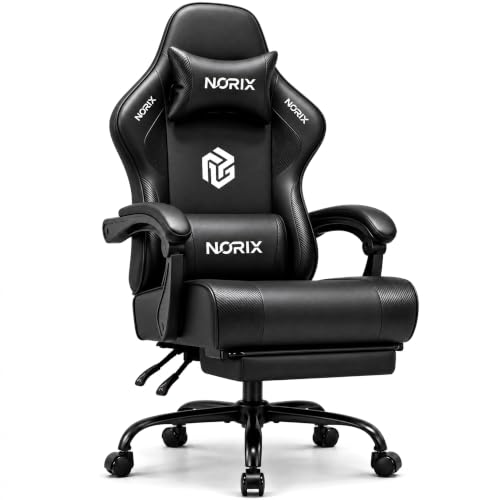


Understanding What Drives the Cost of Modern Gaming Chairs
The overall price of a gaming seat reflects a complex combination of heavy raw materials, specialized mechanical components, and extensive freight logistics. While casual observers often assume the cost is solely tied to flashy aesthetics or gaming culture marketing, the physical reality involves substantial engineering choices. Examining individual chair elements reveals why production costs rise significantly above those of basic utility chairs. Exploring these design factors allows buyers to separate genuine functional value from aesthetic additions.
Internal Frame Construction and Steel Reinforcement
A primary factor in chair pricing begins inside the backrest and seat where the user never directly looks. Inexpensive task chairs frequently rely on molded plywood boards or thin plastic shells that keep manufacturing costs minimal. In contrast, durable gaming models utilize a one-piece steel frame with reinforced crossbars to maintain rigidity under constant shifting. Some manufacturers build frames with steel thickness up to three millimeters greater than standard models to prevent creaking and frame warping. Sourcing, bending, and welding structural steel requires far more industrial investment than molding generic plastic shells.
The presence of a steel-reinforced skeleton directly influences the chair load rating and structural stability over time. Models engineered for big and tall users often feature reinforced tubular framing capable of supporting up to four hundred pounds. This level of reinforcement demands thicker tubular steel, heavier joint welds, and rigorous stress modeling during the design phase. Additional metal weight increases raw material consumption, which inevitably raises the baseline factory manufacturing cost. Buyers seeking stable seating benefit from understanding that internal metal framing represents a major portion of the retail cost.
Advanced Cushioning Systems: High-Density Foam and Pocket Springs
The choice of padding material significantly influences both seating support and long-term production expenses. Entry-level office chairs typically use low-density cut foam that compresses quickly and loses its shape after a few months of regular sitting. Higher-end gaming chairs often incorporate dual-layer high-density foam or cold-cured polyurethane that maintains its shape across years of continuous daily use. Cold-cure foam requires specialized chemical molding equipment and individually sculpted tools for each seat shape. This precision molding process increases factory tooling expenses and elevates the per-unit component price.
Several modern designs now integrate internal pocket spring lumbar and seat support borrowed from premium sofa construction. Individual steel pocket coils work alongside dense foam layers to provide progressive resistance and disperse body weight across the cushion. Adding coiled steel units inside a padded seat cushion requires complex assembly steps and higher material costs than gluing a single foam slab. This layered approach prevents users from bottoming out against the frame while seated for extended sessions. Incorporating hybrid spring and foam technology adds measurable manufacturing expense compared to basic foam seating.
Complex Mechanical Recline and Linkage Hardware
Standard office seating usually offers a simple center-tilt mechanism with a basic tension knob and a single upright lock. Dedicated gaming chairs feature heavy-duty steel recline mechanisms that allow the backrest to tilt from ninety degrees upright to angles between one hundred thirty-five and one hundred fifty degrees. These multi-angle locking brackets rely on precision-stamped steel gears, internal pawls, and reinforced pivot pins to secure the occupant safely. The mechanical hardware must safely hold shifting body weight without slipping or stripping teeth during frequent angle adjustments. Engineering and stamping these heavy steel recline brackets requires strict tolerances that drive up component costs.
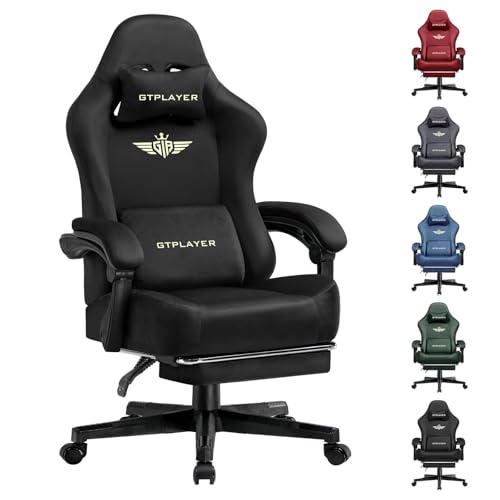
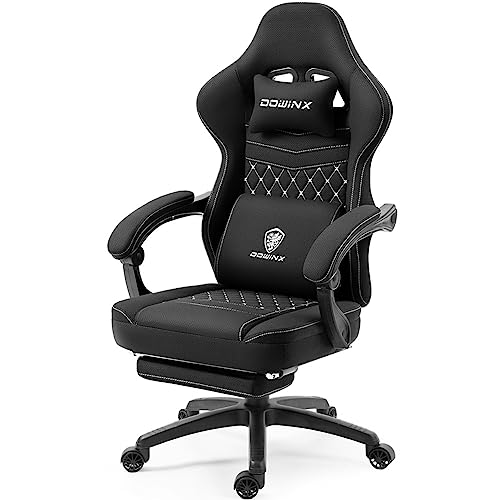
Many reclining gaming chairs also include synchronized linkage armrests or integrated retractable footrests. Linkage armrests contain internal joints that tilt backward automatically as the user reclines, maintaining forearm support without manual adjustment. Retractable footrests require sturdy steel slide rails, locking stops, and upholstered extension pads that fold neatly beneath the seat base. Every moving hinge, slider rail, and locking pin introduces additional assembly labor and hardware components. These moving mechanical parts contribute noticeably to the cumulative cost of the assembled chair.
Multi-Directional Armrest Engineering and Custom Adjustability
Armrest design represents another area where engineering complexity directly scales with manufacturing investment. Basic desk chairs feature static, one-piece molded armrests bolted directly to the seat cushion and backrest frame. Modern gaming seats frequently incorporate 3D adjustable armrests that move up and down, slide forward and backward, and pivot horizontally. Constructing these assemblies requires internal metal ratchets, spring-loaded buttons, and precise slide tracks hidden beneath soft-touch polyurethane pads. The tighter the tolerances and the more adjustment axes offered, the more expensive the armrest assembly becomes.
Adjustable armrests allow users to match their forearm height to their desk surface, helping reduce shoulder tension during work and gaming. When pairing a fully adjustable chair with thoughtful desk accessories such as desk lighting solutions, managing overall workstation ergonomics becomes much easier. The ability to rotate armrests inward for handheld controller play or outward for keyboard typing offers practical utility that basic fixed armrests cannot match. Providing this degree of mechanical adjustability requires specialized tooling and multi-part subassemblies that raise the finished chair cost.
Specialized Upholstery and Surface Treatments
The outer covering of a gaming chair must endure substantial mechanical friction, body heat, and everyday movement. Budget office seating often uses thin, non-woven synthetic fabrics or low-grade bonded vinyl that peels easily under heat and friction. High-tier gaming chairs frequently utilize premium PU leather featuring textured embossing, scratch resistance, and water-repellent coatings. Some designs incorporate micro-perforations or breathable top layers to reduce surface heat buildup during lengthy desk sessions. Formulating and sourcing durable polyurethane synthetic leather that resists premature cracking increases material expenditures for the factory.
Upholstery construction also involves intricate patterned stitching, multi-color panels, and reinforced seams around bucket-style side bolsters. Sewing multi-panel covers with contrast piping requires higher labor precision and longer production cycle times on the sewing floor. In addition, chairs designed with pet-friendly or scratch-resistant properties demand higher-grade polymers to resist wear from daily household use. High-friction areas like the front seat waterfall edge require extra internal reinforcement to prevent seam separation. These specialized textile choices and detailed stitching patterns inevitably reflect in the retail pricing structure.
Heavy-Duty Base Components, Gas Lifts, and Casters
The structural foundation of any computer chair relies on the central gas cylinder and five-star wheel base. Flimsy task chairs often cut corners by employing thin nylon bases and low-grade gas cylinders that can sink or leak pressure over time. Quality gaming models typically incorporate SGS-certified gas lifts with heavy-gauge steel casing to prevent gradual sinking under load. Heavy-duty chairs rated for larger users rely on level-three or level-four hydraulic cylinders to ensure smooth height adjustments across years of operation. Certified pneumatic cylinders require strict quality control standards, which adds to manufacturing overhead.
The five-star base beneath the cylinder must also withstand significant dynamic stress whenever an occupant reclines or shifts posture. Reinforced steel or heavy-duty metal bases provide a low center of gravity that prevents accidental tipping during deep recline angles. Attached to this base are silent, floor-friendly casters often coated in soft rubber or dense nylon to prevent scratching hardwood and tile floors. High-grade caster wheels feature internal ball bearings that ensure smooth 360-degree rotation without binding or squeaking. Investing in durable load-bearing bases and silent casters prevents premature structural failure but increases total hardware costs.
Packaging Bulk, Freight Logistics, and Assembly Packaging
Physical shipping dimensions and total package weight represent a substantial hidden contributor to gaming chair retail prices. Because gaming chairs feature tall backrests, integrated steel skeletons, and thick cushions, the resulting shipping carton is exceptionally large and heavy. A single packaged chair often weighs between forty and sixty pounds, which places it into higher domestic and international freight tiers. Shipping carriers calculate shipping fees based on dimensional weight rather than actual mass alone, making oversized furniture boxes expensive to transport. These substantial logistics and warehouse handling costs are inevitably built into the final consumer price tag.
Beyond transportation costs, manufacturers must invest in protective internal packaging to ensure components arrive without shipping damage. Molded foam inserts, corner protectors, and heavy corrugated outer cartons are necessary to shield metal frames and delicate upholstery during transit. Manufacturers also supply complete hardware packs, dedicated assembly tools, and illustrated instruction manuals with QR code support to simplify setup. Customer support teams handling replacement parts, warranty claims, and shipping inquiries represent an ongoing operational expense for reputable brands. All of these protective measures and backend customer services contribute to the overall purchase cost.
Ergonomic Contour Design and Seat Cushion Geometry
The physical geometry of a gaming chair requires specialized tooling and molding compared to flat utility furniture. Many popular models adopt high-back bucket seat designs inspired by automotive racing seats, which include side bolsters for lateral stability. Other models utilize a wingless flat seat cushion spanning fifty-one centimeters or more to accommodate cross-legged sitting and broader hip widths. Designing wide, wingless seats requires larger steel base pans and more high-rebound foam volume than narrow, restricted chairs. Customizing cushion geometry to fit different sitting styles requires deliberate engineering and larger material footprints.
Proper ergonomic contouring also involves providing adjustable lumbar pillows and cervical headrests tailored to natural spinal curvature. These accessories frequently feature independent strap adjustments or contoured memory foam cores that can be repositioned across heights from 120cm to 190cm. Crafting detachable cushions with matching upholstery and high-density fill adds discrete production steps to each chair run. While an ergonomic contour does not guarantee perfect comfort for every individual body type, the inclusion of multi-zone support adds to manufacturing expenses. These tailored ergonomic elements set gaming chairs apart from plain, unpadded desk seating.
Gaming Chairs vs Ergonomic Office Chairs: Value and Design Priorities
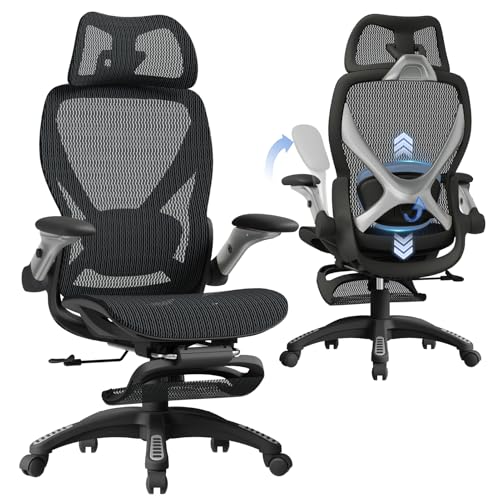
Shoppers frequently debate whether to choose a gaming-branded chair or a traditional ergonomic office chair for their workstation. Traditional office chairs usually emphasize lightweight mesh backrests, adjustable lumbar dials, and synchronized seat sliders designed for upright typing postures. Gaming chairs prioritize full-spine headrest support, thick multi-layer seat padding, deep recline capability, and integrated footrests for mixed entertainment use. If your computer station hosts intensive tasks alongside high-performance display setups, a deep-reclining chair provides a versatile platform for both work and media viewing. The choice comes down to personal posture preferences rather than one design category being universally superior.
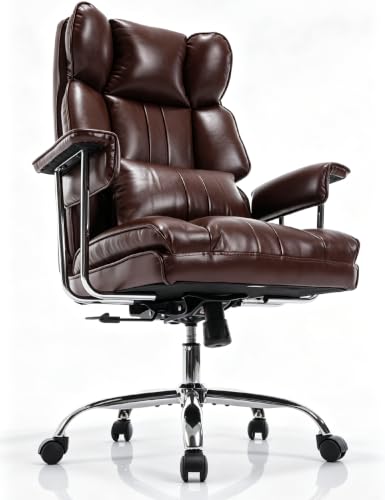
The cost differences between these two seating styles often reflect different manufacturing priorities rather than arbitrary markup. High-end mesh office chairs invest heavily in patented polymer flex frames and complex lumbar tensioners, whereas gaming chairs invest in steel frames, dense foam cushions, and extensive upholstery. Neither style eliminates natural fatigue on its own, as regular movement and posture variation remain essential for any desk user. Buyers should evaluate whether they prefer the firm, breathable support of mesh or the plush, enclosed feel of high-back faux leather. Recognizing where each chair style allocates its production budget helps you determine where your money is best spent.
Practical Guidelines for Assessing Chair Value and Fit
Before deciding whether an expensive gaming chair is worth your investment, measuring your available workspace and body dimensions is critical. Compare the listed seat width, seat depth, and minimum and maximum seat height against your existing desk clearance and leg length. A stated weight capacity of four hundred pounds indicates a robust metal base and strong frame, but it does not guarantee that the seat contour will suit your specific proportions. Ensure that the armrests can lower sufficiently to slide beneath your desk surface when the chair is tucked away. Verifying these dimensional specifications beforehand prevents costly return shipping hassles and workspace mismatch.
Always review manufacturer warranty coverage, return policies, and replacement-part availability prior to finalizing a purchase. Reputable chair brands typically offer multi-year warranties covering steel frame integrity, gas cylinder reliability, and mechanical recline hardware. Knowing that replacement casters, armrest pads, or hydraulic cylinders can be sourced directly from the seller provides long-term peace of mind. Taking time to follow provided assembly manuals and tightening frame bolts properly ensures your chair remains stable and quiet throughout daily sessions. Making an informed choice based on verified specifications guarantees that your investment delivers dependable comfort and practical utility.


Write Your Review
No reviews yet. Be the first to share your experience!