

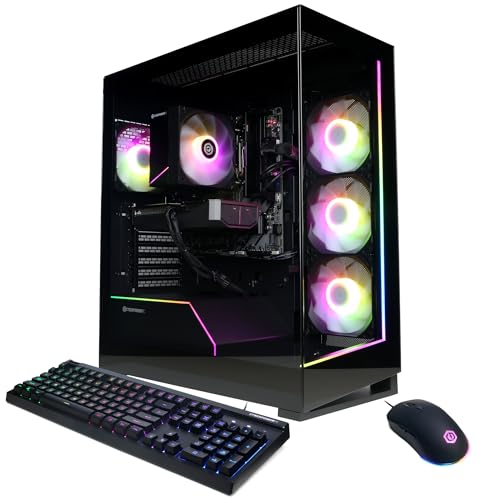
Gamers looking to eliminate packet loss and reduce ping frequently ask what is the fastest ethernet cable for gaming when setting up an online battle station. Online multiplayer titles rely on prompt data exchange between your computer and remote servers, making network stability just as vital as steady frame rates. While wireless connections have improved significantly, a dedicated physical patch cord remains the gold standard for competitive responsiveness. Modern desktop gaming PC towers feature high-speed network ports that can handle immense data flow, but your overall stability depends directly on the physical connection linking your rig to the router.
Category 8 Ethernet cables currently offer the highest theoretical bandwidth and fastest data transfer rates available for consumer patch cords, supporting transmission speeds up to 40 Gbps and operating frequencies up to 2000 MHz. However, identifying the true practical speed for desktop gaming requires looking past marketing numbers and understanding local hardware limitations. Motherboard network controllers, router capabilities, and electromagnetic shielding all determine whether you actually experience a performance jump in real-world matches. Exploring the technical differences between cable generations helps you pick the right cord without overpaying for bandwidth your system cannot utilize.

Pros
- Blazing 40Gbps data rate and 2000MHz bandwidth future-proofs your gaming network for years to come
- Braided cotton jacket feels premium and resists tangles, corrosion, and physical damage better than standard cables
- Shielded S/FTP construction with gold-plated pins greatly reduces crosstalk and interference for rock-solid pings
- Compatible with virtually any RJ45 device including gaming PCs, consoles, routers, and switches right out of the box
- Affordable price for Cat 8 performance, especially considering the durable outdoor-rated build quality
Cons
- 15 ft length may be too short for larger gaming rooms or when routing behind furniture or through walls
- Cat 8 cables are overkill for most current home internet speeds, offering more bandwidth than typical ISP plans support
- No included cable ties or velcro straps for extra cable management convenience out of the box
The Ltemziiy Cat 8 Ethernet Cable is a high-performance networking accessory designed to deliver the lowest possible latency and fastest data transfer speeds for PC gamers, streamers, and anyone who demands a rock-solid wired connection. With support for 40Gbps data rates and 2000MHz bandwidth, this cable is built for the most bandwidth-hungry tasks, including competitive online gaming, 4K and 8K streaming, and large file transfers between workstations.
This cable is an excellent fit for competitive gamers who need every millisecond advantage in fast-paced titles like FPS and MOBA games. Streamers on Twitch or YouTube will also benefit from its stable connection, ensuring smooth broadcasts without packet loss. Casual gamers and gaming setup builders will appreciate the peace of mind that comes from a shielded, durable cable that won't introduce interference or dropouts during long sessions. It also works well for content creators who transfer large video files or backup data frequently.
In real-world use, the Cat 8 cable provides a noticeable improvement in responsiveness compared to older Cat5 or basic Cat6 cables, especially in homes with high network traffic. The S/FTP shielding (individually shielded pairs plus an overall braid) does an excellent job of blocking electromagnetic interference from nearby electronics, power cables, or routers. While your ISP may not deliver 40Gbps, the cable ensures that your internal network (NAS, PC-to-PC transfers, or LAN parties) runs at max potential without bottlenecks.
Build quality is a strong point here. The outer jacket is made from 48-strand cotton braid, which is tougher than typical nylon braiding. It can withstand over 12,000 bends without showing wear, and the cable is rated for outdoor use in extreme cold, heat, and humidity. The RJ45 connectors feature 50-micron gold-plated pins that resist corrosion and maintain a solid electrical contact. Despite its ruggedness, the cable remains flexible enough to route around desks, under rugs, or through cable management channels.
Setup is simply plug and play no drivers or software required. It works with any device that has an RJ45 port, including gaming PCs, laptops, consoles, routers, modems, and smart TVs. The cable is backward compatible with older Ethernet standards, so you can use it immediately with your existing gear. The main limitation is the 15-foot length, which may not be sufficient for larger rooms or complex routing through walls or ceilings. Additionally, for current home internet speeds under 1Gbps, the Cat 8 specification offers more headroom than necessary, but it future-proofs your wired network.
Overall, the Ltemziiy Cat 8 Ethernet Cable is a practical investment for gamers, streamers, and gaming setup enthusiasts who want a reliable, high-speed wired connection that can handle today's demanding applications and tomorrow's upgrades. Its durable construction, excellent shielding, and affordable price make it a smart pick for anyone looking to upgrade their home network for better gaming and streaming performance.

Pros
- Exceptional speed and bandwidth for competitive gaming and high-bandwidth applications
- Durable build with weatherproof and UV-resistant materials ensures long-term reliability
- Gold-plated connectors provide corrosion resistance and consistent signal quality
- Short length is perfect for connecting nearby devices without excess cable mess
- Affordable price point for Cat8 performance
Cons
- 1.5ft length may be too short for setups where devices are far apart
- Cat8 cables are overkill for most home internet speeds under 10Gbps
- Stiff cable may not bend easily in tight spaces
The Vabogu Cat8 Ethernet Cable is a high-performance network cable built for gamers, streamers, and anyone who needs a rock-solid wired connection. This 1.5ft cable supports blistering speeds up to 40Gbps and bandwidth up to 2000MHz, making it one of the fastest options available for home networking. Whether you're playing competitive FPS games, streaming on Twitch, or downloading large game files, this cable aims to eliminate lag and packet loss.
This cable is best suited for PC gamers, console gamers on PS5 or Xbox, esports players, and streamers who want the lowest possible latency. It's also a good fit for content creators transferring large files or anyone with a high-speed internet plan that can take advantage of Cat8's capabilities. The 1.5ft length is ideal for connecting a gaming PC or console directly to a nearby router or modem, keeping your desk clean and organized.
In terms of real-world performance, the Cat8 standard offers significant improvements over older cables. The shielded S/FTP construction with four twisted pairs of pure copper wire helps reduce crosstalk and electromagnetic interference, which is crucial for maintaining stable connections in environments with lots of electronic gear. The 50 micron gold-plated RJ45 connectors ensure a secure fit and resist corrosion over time. While your actual speeds depend on your ISP and networking equipment, this cable won't be the bottleneck in your setup.
Build quality is solid for the price. The cable features a thick UV-resistant PVC jacket that's weatherproof, making it suitable for outdoor runs if needed. The 26AWG wire gauge is thicker than many budget cables, which helps with signal strength and heat dissipation. However, this also makes the cable less flexible than thinner options, so plan your routing carefully. The included cable clips are a nice touch for keeping things tidy.
Setup is straightforward - just plug it into any device with an RJ45 port. It's backward compatible with all previous Ethernet standards, so it works with older routers, switches, and consoles without issues. There's no software to install, and the cable is recognized immediately. Maintenance is minimal; just keep the connectors clean and avoid sharp bends.
One realistic limitation is that the 1.5ft length may not work for everyone. If your router is across the room, you'll need a longer cable. Also, Cat8 is overkill for most current home internet plans, but it future-proofs your setup. Overall, the Vabogu Cat8 is a practical, affordable choice for gamers who want a reliable, high-speed connection without breaking the bank. It's a simple upgrade that can make a noticeable difference in online gaming and streaming stability.
Pros
- Blazing fast 40Gbps speed with 2000MHz bandwidth eliminates network bottlenecks for gaming and streaming
- Heavy-duty shielding and weatherproof build offer long-term reliability even in harsh environments
- Thick 26AWG copper wires maintain signal strength over the cable length, reducing packet loss
- Plug-and-play compatibility with almost any device that has an RJ45 port, from consoles to PCs to smart home gear
Cons
- 6FT length may be too short for some setups that require longer cable runs between rooms
- With no reviews yet, real-world performance feedback is limited, so buyers rely solely on listed specs
- Cat 8 cables are overkill for typical internet plans under 1Gbps; the extra speed may not be fully utilized
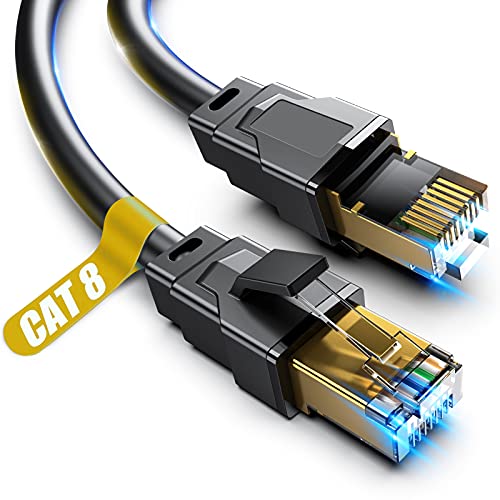
The Vabogu Cat 8 Ethernet Cable is a high-speed networking accessory designed for gamers who demand the lowest possible latency and the fastest data transfers. It connects your gaming PC, console, or streaming setup directly to your router, bypassing Wi-Fi interference for a rock-solid online experience. Based on the product specifications, this cable supports bandwidth up to 2000MHz and speeds up to 40Gbps, which is more than enough for current-gen consoles like the PS5 and Xbox Series X, as well as high-end gaming PCs.
This cable is best suited for competitive gamers, streamers, esports players, and anyone building a performance-focused gaming desk or home network. For FPS gamers, the low latency helps reduce lag spikes during online matches, while streamers can rely on stable uploads for Twitch or YouTube. Even casual gamers will appreciate the plug-and-play convenience and the peace of mind that comes with a wired connection that won't drop out mid-game.
Build quality is a strong point here. The Vabogu cable uses 26AWG oxygen-free copper wiring, which is thicker than the 32AWG found in many budget cables. That thickness, combined with aluminum foil and woven mesh shielding, helps reject electromagnetic interference from nearby power cables or other electronics. The outer jacket is UV-resistant and weatherproof, so you can run it outdoors or bury it without worrying about sun damage or extreme temperatures.
Setup couldn't be simpler - just plug it into your router or modem and your device. For desk organization, the 6FT length is compact enough to hide behind a monitor or along a cable raceway without creating a tangled mess. There is no software to install, and it works with all previous Ethernet standards (Cat5 through Cat7), so it's compatible with older hardware as well. Cleaning and maintenance are minimal: just keep the connectors dry and dust-free.
One realistic limitation is the 6FT length - it might not reach from your router to a distant gaming setup, so measure your space before buying. Also, while Cat 8 is future-proof, most home internet plans don't exceed 1Gbps, so you won't see the full 40Gbps speed from your ISP. That said, the cable still delivers excellent signal integrity and lower latency compared to Cat6 or Cat6a, making it a worthwhile upgrade for serious gamers.
Overall, the Vabogu Cat 8 Ethernet Cable is a practical investment for U.S. PC gamers, console players, and streamers who want a reliable, high-speed wired connection. It's especially useful for gaming rooms where cable management matters, and the weatherproof design adds versatility for outdoor or garage setups. If you need a short, durable cable that maximizes your network performance, this is a solid choice.

Pros
- Incredibly fast speeds (40Gbps) ensure zero latency for competitive gaming and streaming.
- Rugged outdoor-rated construction stands up to weather, UV, and direct burial – very versatile.
- Solid build with gold-plated connectors and thick shielding provides reliable, interference-free connections.
- Simple plug-and-play installation – no software or configuration needed.
- Excellent value for the price, especially given the high performance and durability.
Cons
- Cat8 is overkill for most home internet plans under 1Gbps – users may not see a speed difference over Cat6a.
- Cable is stiffer than standard patch cables due to heavy shielding, which can make tight bends challenging.
- 6FT length is short; users with distant routers may need a longer variant (available separately).
The DbillionDa Cat8 Ethernet Cable is a high-performance networking accessory designed to eliminate lag and ensure rock-solid connectivity for PC gamers, streamers, and esports players. Rated for data speeds up to 40Gbps and frequencies up to 2000MHz, this Cat8 cable is built to handle the most demanding online gaming and 4K/8K streaming sessions. Whether you're competing in ranked FPS matches, grinding through open-world titles, or live-streaming on Twitch, a stable wired connection is non-negotiable – and this cable delivers.
Who is this cable for? It's ideal for competitive gamers who need the lowest possible latency, streamers who can't afford dropped frames, and gaming setup builders who want to future-proof their home network. Casual gamers and college gamers will also appreciate the plug-and-play simplicity and durable construction. The cable works with any RJ45 port, including PS5, Xbox Series X, and PC, making it a versatile addition to any gaming room.
In real-world use, the DbillionDa Cat8 cable provides a noticeable improvement in connection stability. User reviews highlight consistent low latency, zero dropouts, and a solid feel when plugged in. The thick 26AWG oxygen-free copper conductors and F/FTP shielding effectively block electromagnetic interference from nearby electronics, so you won't experience weird lag spikes during clutch moments. For gamers running high-speed internet plans (1Gbps or more), this cable will let your connection breathe at full capacity.
Build quality is excellent. The cable features a heavy-duty, weatherproof PVC jacket that resists UV rays, moisture, and temperature extremes – so you can use it both indoors and outdoors without worry. The gold-plated RJ45 connectors resist corrosion and snap firmly into ports. While the cable is stiffer than standard Cat5e due to the shielding and thicker wire, it's still flexible enough to route around corners or under rugs. The 6FT length is perfect for short runs from a router to a desk, and longer lengths are available if needed.
Setup is trivial: just plug it in. There's no software to install or settings to tweak. For gamers who also manage cable clutter, this cable's sturdy jacket holds its shape well, making it easier to organize with cable ties. The main limitation is that Cat8 is overkill for most home internet connections under 1Gbps – you won't see a speed boost compared to a quality Cat6a cable. However, the extra shielding and future-proofing provide peace of mind and may benefit local network transfers between gaming PCs or NAS storage.
Overall, the DbillionDa Cat8 Ethernet Cable is a reliable, well-built choice for any gamer who values a stable wired connection. It's especially recommended for those with gigabit internet, competitive players sensitive to latency, and anyone running cables in challenging environments. For the price, it's a solid upgrade from older Cat5e or generic cables, and it will serve you through multiple gaming rig upgrades.
The Fastest Ethernet Cable for Gaming: Bandwidth, Latency, and PC Hardware Reality
Category 8 patch cords represent the fastest consumer network cables on the market, offering transfer speeds up to 40 Gbps alongside a 2000 MHz operating frequency. This technical specification surpasses earlier generations like Cat 6a and Cat 7 by a wide margin. Gamers seeking low latency often select these cables to eliminate physical connection bottlenecks. Understanding how these ratings affect gameplay requires separating raw file transfer bandwidth from real-time packet delivery.
The Short Answer: Category 8 and Practical Speed Limits
Category 8, commonly called Cat 8, is the fastest Ethernet cable standard currently available for home networking and PC gaming. Manufactured to support frequencies up to 2000 MHz, Cat 8 cords deliver data speeds up to 40 Gbps over runs up to 30 meters. These specifications originated in enterprise data centers to link servers directly to high-density network switches. Modern accessory brands now offer short Cat 8 patch cords for gaming desktops, consoles, and residential routers.
Network speed actually involves two distinct measurements that gamers frequently confuse. Throughput measures the volume of data traveling across the wire each second, such as during large game downloads. Latency measures how quickly individual data packets travel between your computer and remote servers. While Cat 8 provides immense throughput headroom, it cannot compensate for external routing delays introduced by your internet service provider.
Electrical signals travel through copper conductors at roughly two-thirds the speed of light regardless of the cable category rating. A Cat 5e cord and a Cat 8 cord transmit individual pulses across a short desk run at virtually identical physical speeds. The genuine benefit of Cat 8 stems from its ability to maintain clean signal transitions without packet errors under heavy network traffic. Clean data transmission prevents dropped packets and costly retransmissions during competitive gaming matches.
Understanding Cable Generations from Cat 5e to Cat 8
Network cable standards have advanced through multiple iterations to satisfy rising residential and industrial bandwidth demands. Category 5e remains common in older installations, providing up to 1 Gbps speeds at a 100 MHz operating frequency. Category 6 increased operating bandwidth to 250 MHz, supporting 1 Gbps across 100 meters and 10 Gbps over shorter runs up to 55 meters. Category 6a doubled that frequency to 500 MHz, maintaining full 10 Gbps throughput across complete 100-meter structural runs with reduced crosstalk.
Category 7 introduced individual shielding around each wire pair to achieve 600 MHz frequencies and 10 Gbps transmission rates. However, Cat 7 lacked formal standard adoption by the TIA/EIA for standard consumer RJ45 modular connectors. Category 8 resolved this by adopting standard RJ45 connectors while expanding bandwidth to 2000 MHz and speeds to 40 Gbps. This substantial frequency boost helps Cat 8 resist electromagnetic interference far more effectively than unshielded cables.
Distance limits represent an essential design difference between Category 8 and earlier networking standards. While Cat 6 and Cat 6a support their rated speeds across standard 100-meter distances, Cat 8 achieves 40 Gbps across a 30-meter channel limit. This shorter distance limitation aligns with patch connections between gaming rigs, switches, and nearby modems. For a desktop PC sitting close to a router, this distance cap presents no practical disadvantage.
Bandwidth Versus Latency: Why Online Gaming Needs Consistency
Multiplayer games demand surprisingly modest amounts of data throughput compared to video streaming or file downloads. Competitive matches in online shooters or battle royale games generally consume between 50 Kbps and 5 Mbps of active bandwidth. Game engines exchange lightweight player coordinates, input states, and synchronization updates many times each second. A 40 Gbps cable will not accelerate character movement if your game requires only a small fraction of a megabit.
Packet delivery consistency represents the true foundation of responsive online gaming. When cables suffer from poor contact quality or external electrical interference, signal degradation causes packet loss. Dropped packets force network adapters to request retransmissions, creating visible character warping, hit-registration failure, and sudden latency spikes. Higher-category cables minimize this vulnerability by using thick copper wiring and robust shielding to isolate each data lane.
Bufferbloat and local network queue congestion impact in-game ping far more than theoretical link speeds. If another device downloads large files during a match, an unmanaged router can buffer outbound packets and increase ping times. Using a dependable patch cord ensures the physical connection between your PC and router performs reliably. This solid physical link allows router traffic prioritization tools to manage gaming packets without dealing with hardware-level retransmissions.
How Gaming PC Motherboards and Network Adapters Dictate Link Speeds
Plugging a 40 Gbps Cat 8 cable into a gaming PC does not automatically make the entire network run at 40 Gbps. A physical connection negotiates link speed based on the slowest hardware component along the path. The integrated network controller on your motherboard sets the ceiling for local transmission rates. If your motherboard has a standard Gigabit LAN port, the connection operates at 1 Gbps regardless of the cable rating.
Modern desktop motherboards for AMD and Intel processors regularly include 2.5 Gbps Ethernet controllers from brands like Realtek and Intel. Enthusiasts assembling high-performance custom gaming PC builds frequently seek 2.5 GbE or 10 GbE motherboards for faster local file transfers. When connected to a compatible multi-gigabit router, a 2.5 GbE port negotiates at 2500 Mbps, more than doubling standard gigabit bandwidth. Cat 8 cables support these multi-gigabit link speeds without signal loss.
Router and network switch ports must also provide matching multi-gigabit ratings to unlock higher physical link speeds. Connecting a 2.5 GbE PC port to a standard 1 Gbps router LAN port restricts the entire link to 1 Gbps. Your Windows network status window displays this negotiated physical speed clearly under network adapter properties. Cat 8 cables remain backward compatible with Cat 7, Cat 6a, and Cat 5e ports, allowing trouble-free operation on older hardware.
Shielding Types: Protecting Signal Integrity Near Powerful PC Components
Desktop gaming computers emit substantial electromagnetic interference because high-power components operate in close proximity. High-wattage power supplies, graphics card power stages, and display cables generate electrical fields behind your desk setup. Unshielded network cables placed near power cords can pick up electromagnetic noise, resulting in transmission errors and intermittent drops. Proper internal cable shielding encases copper wires in protective metal layers to repel stray electromagnetic fields.
Shielding designations indicate how manufacturers protect internal conductors from external interference. An F/FTP cable uses foil shielding around the entire cable assembly as well as individual foil wraps for each twisted pair. The S/FTP configuration features an outer braided metal shield over individual foil-shielded twisted pairs for superior durability. Models like the DbillionDa Cat8 and Vabogu Cat 8 patch cords use these shielded designs to keep network signals stable near high-power PC components.
Gold plating on RJ45 connector pins provides an extra layer of protection for long-term signal clarity. Gold resists oxidation and corrosion far better than bare copper or standard nickel plating, ensuring solid electrical contact over years of use. Metal connector shells also ground unwanted electrical noise when plugged into shielded network ports. These physical construction details help prevent packet errors when cables route through tight desk spaces packed with electrical cords.
Conductor Thickness and Durability: 26AWG Versus 32AWG
Internal copper wire thickness directly influences physical cable durability and electrical resistance over distance. American Wire Gauge ratings use an inverted scale where lower numbers indicate thicker copper cores. Premium Cat 8 cords frequently incorporate 26AWG oxygen-free copper conductors inside each twisted pair. Thicker 26AWG conductors maintain lower electrical resistance, generating less heat under sustained data transfer and preserving signal strength more effectively than slender wiring.
Ultra-thin flat network cables often use 30AWG or 32AWG conductors to achieve extreme flexibility beneath carpets. While thin cables simplify routing around tight corners, thinner copper cores offer higher electrical resistance and greater vulnerability to physical damage. Bending an ultra-thin cord sharply around a desk frame can fracture delicate copper strands, producing intermittent packet loss during gameplay. Sturdier 26AWG cables provide the mechanical strength necessary to withstand accidental pinches and frequent repositioning.
Outer jacket materials also dictate how well cables handle abrasion, bending stress, and ambient moisture. Cords featuring braided cotton yarn jackets, such as the Ltemziiy Cat 8 patch cord, resist tangling and pet chewing far better than standard plastic. Weatherproof PVC jackets allow heavy-duty cables to route through walls or crawlspaces without premature wear. Selecting a durable jacket ensures your setup maintains an intact physical connection regardless of your specific room layout.
Optimizing Your Gaming Rig for the Lowest Network Latency
Installing a high-quality cable represents only the first step toward minimizing your gaming network latency. Windows operating system configurations include power-management options that can inadvertently introduce small delays to incoming packets. Opening Device Manager and accessing your network adapter properties lets you disable energy-efficient Ethernet modes. These energy-saving features can place network controllers into low-power idle states that cause micro-stutters during fast-paced multiplayer games.
Interrupt moderation settings on your network adapter also govern how frequently the controller alerts your processor to incoming packets. While interrupt moderation saves CPU cycles on general desktop systems, competitive gamers often reduce or disable it for immediate packet handling. Keeping your router and modem powered during electrical fluctuations prevents unexpected match disconnects. Connecting your networking gear and desktop tower to a battery backup for a gaming rig safeguards your connection against brief voltage drops.
Quality of Service tools in modern routers allow you to give priority status to gaming PC network traffic. When other household devices stream high-resolution video or download files, router QoS rules ensure gaming packets jump straight to the front of the queue. Pairing a shielded physical cable with router-level traffic prioritization prevents unexpected latency spikes. Testing your network after making these adjustments verifies that your hardware and software work together seamlessly.
Practical Decision Guide: Selecting the Right Cable for Your Setup
Selecting an appropriate patch cord depends primarily on the physical distance between your gaming desk and network router. Short patch cords ranging from 1.5 feet to 6 feet, such as the Vabogu Cat 8 cables, keep desk clutter minimal when your PC sits near a router. Longer runs reaching 15 feet or more require careful routing along baseboards to avoid pinching the internal conductors. Selecting a cord with modest slack prevents undue strain on motherboard RJ45 ports and connector tabs.
Category 6 and Category 6a cables remain reliable, budget-friendly choices that deliver complete 1 Gbps or 10 Gbps speeds in typical homes. Even so, Category 8 cables offer robust shielding, 40 Gbps maximum bandwidth, and 2000 MHz operating frequencies at very reasonable prices. For gamers running cables past power strips, high-wattage power supplies, and multiple display cords, Cat 8 shielding provides solid protection against electromagnetic interference. Choosing Cat 8 ensures your network wiring can accommodate future multi-gigabit hardware upgrades without replacement.
Confirming your connection after plugging in your new cable takes only a moment in your operating system settings. Verify that the Windows network properties panel shows the expected 1000 Mbps or 2500 Mbps link rate for your hardware. Opening the command line to run a continuous ping test against your router gateway confirms zero packet loss across the wire. With a clean physical link established, your gaming rig is fully equipped to deliver stable, responsive multiplayer performance across every gaming session.





Write Your Review
No reviews yet. Be the first to share your experience!