
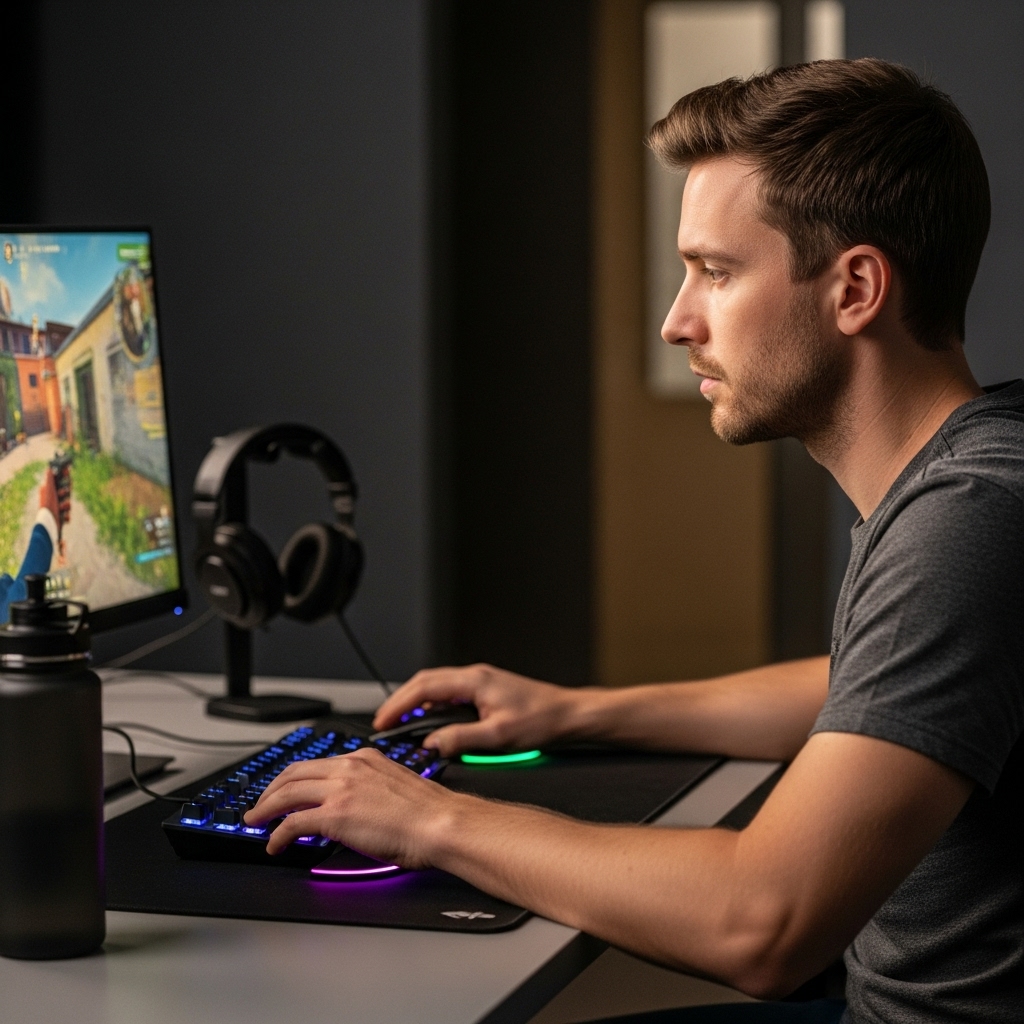

Intensive mobile gaming sessions push modern smartphone processors to their physical limits, often leading to rapid heat buildup, sudden display dimming, and frustrating frame drops. When a handheld processor reaches elevated internal temperatures, the operating system aggressively restricts clock speeds to protect internal circuitry from long-term hardware degradation. Understanding how to keep phone cool while gaming is essential for maintaining consistent performance in demanding competitive titles. While dedicated desktop rigs rely on expansive heat sinks, ventilated cases, and liquid radiators, mobile platforms must manage heavy graphical workloads within tightly sealed glass and metal enclosures. Exploring solid desktop gaming hardware setups illustrates just how critical airflow and dedicated thermal dissipation are for any processing unit under sustained load.
External cooling attachments have evolved significantly beyond simple plastic blowing fans by incorporating active thermoelectric chilling plates and magnetic mounting systems. Choosing the right thermal strategy depends on your device chassis, your power supply availability, and the specific graphical demands of your favorite titles. External accessories paired with smart in-game settings can stabilize refresh rates and safeguard your battery health during marathon sessions. This guide breaks down the underlying causes of mobile overheating, evaluates effective hardware accessories, and outlines software adjustments to keep your device operating smoothly.


Strategies and Technologies for Managing Mobile Gaming Temperatures
Managing heat during extended gaming sessions requires a clear understanding of both hardware design and software demands. Modern mobile devices pack incredible graphical computing power into slim enclosures that lack active fans or internal ventilation chambers. When prolonged gaming pushes internal temperatures upward, performance degradation quickly follows. Implementing active thermal management techniques restores stable gameplay, preserves long-term battery health, and eliminates the frustrating slowdowns caused by automatic system throttling.
Why Mobile Devices Overheat During Intensive Gaming
Mobile processors combine the central processing unit, graphics core, and system memory onto a single integrated system on a chip. Unlike bulky computer towers that feature expansive airflow channels, smartphones rely almost entirely on passive heat dissipation through their glass backplates and metal frames. Rendering complex 3D environments, physics calculations, and high-resolution textures forces the processor to draw maximum electrical power continuously. That electrical energy inevitably converts into concentrated thermal energy inside an airtight chassis.
External variables also accelerate this temperature spike before a player even loads into a competitive match. Running a display at maximum brightness generates substantial heat behind the screen panel, compounding the thermal load from the underlying processor. Playing in a warm ambient room or exposing the phone to direct sunlight severely limits the chassis from radiating heat into the surrounding air. In addition, charging the internal battery while simultaneously rendering high frame rates creates dual heat sources that quickly overwhelm passive cooling.
The Consequences of Thermal Throttling on Performance and Hardware
Operating systems include automated thermal safeguards designed to prevent silicon microchips from reaching damaging temperature thresholds. When internal sensors detect excessive heat, the operating system immediately downclocks the processor cores, reducing their operating frequency. Gamers experience this throttling as sudden stuttering, erratic frame rate drops, and unresponsive touchscreen input during crucial gameplay moments. In severe instances, smartphones may forcefully dim their displays or close background applications entirely to avert component failure.
Beyond immediate software slowdowns, sustained thermal stress inflicts irreversible wear on device hardware over time. Lithium-ion battery chemistries degrade rapidly when exposed to temperatures exceeding normal operating parameters, resulting in reduced charge capacity and shortened battery lifespan. Prolonged heat exposure can also stress camera sensor optical elements and degrade display panel longevity. Utilizing proper thermal mitigation ensures that your mobile hardware continues to deliver peak performance throughout its expected lifespan.
How Thermoelectric Semiconductor Coolers Function
Traditional clip-on phone fans merely push ambient air across a warm surface, which yields limited cooling when the surrounding room air is already warm. Modern active accessories instead employ thermoelectric cooler technology, commonly referred to as TEC or Peltier semiconductor chips. When direct electric current passes through a semiconductor junction, heat transfers rapidly from one side of the plate to the other. This process creates a cold surface that rests directly against your phone while concentrating the absorbed heat onto an aluminum radiator block.
A high-speed exhaust fan then blows air across the heated radiator fins to expel the thermal energy away from the device. Models such as the TLZN PO cooler and the CHONCHOW cooler utilize 7-blade hydraulic bearing fans spinning at high speeds to keep air moving steadily across their internal heatsinks. The manufacturer specifications for the CHONCHOW unit note an operating speed between 4500 and 5000 RPM, which helps maintain the active chilling cycle. The shijianwy heatsink highlights semiconductor refrigeration capable of dropping internal surface temperatures rapidly within a 25 degree Celsius ambient environment.
Some advanced options integrate digital temperature readouts and intelligent monitoring systems directly into their housings. For instance, the Jremreo cooler features a real-time digital temperature display alongside multi-speed fan control, allowing users to track thermal output during use. Similarly, the Cyberix magnetic cooler incorporates AI intelligent temperature control designed to adjust fan speeds dynamically based on detected device heat. These active semiconductor systems provide far greater thermal relief than passive cooling stands or simple rotary fan blowers.
Power Delivery Requirements and External Power Constraints
Active semiconductor coolers require substantial electrical power to sustain their Peltier chilling plates and internal exhaust fans. Because integrating a heavy internal battery would add significant weight and cause wrist fatigue during handheld gaming, virtually all semiconductor coolers rely on external power connections. The CHONCHOW cooler and TLZN PO cooler both operate via direct USB-C connections, requiring an external 5V/2A or higher power adapter to achieve optimal chilling results. Players should note that these units do not store internal charge and must remain plugged in during gameplay.
High-capacity coolers often demand even greater wattage to unlock their full thermal dissipation potential. The Black Shark FunCooler 5 utilizes a 20W power Peltier element designed to lower the temperature of the main unit significantly under heavy load. The manufacturer documentation specifies that power input must exceed 20W for optimal cooling performance, and players must supply their own compatible high-wattage power adapter and cable. Connecting these active accessories to an external power bank or wall charger ensures uninterrupted chilling without draining your phone battery.
Mounting Mechanisms: MagSafe Suction Versus Universal Clamp Attachments
Attaching a cooling radiator securely to your phone backplate is vital for ensuring efficient thermal conductivity. Modern coolers frequently utilize built-in circular magnets that align directly with Apple MagSafe technology found on recent iPhone models. The Black Shark FunCooler 5 incorporates 12N magnetic force to hold firmly against magnetic devices, preventing accidental drops during aggressive finger movement. Direct magnetic coupling eliminates bulky mounting hardware and leaves your side buttons completely unobstructed.
For Android devices, tablets, or non-magnetic protective cases, manufacturers typically provide adhesive metal rings and clip-on mounting brackets. The Jremreo cooler includes detachable side clips that extend up to 4 inches, allowing it to clamp onto a diverse range of smartphones and smaller tablets. The Cyberix cooler and shijianwy heatsink similarly supply both magnetic sticker plates and removable mechanical clips in their packaging. These dual-mounting solutions ensure compatibility across different phone dimensions without requiring players to remove their daily protective cases.
Ergonomics play a critical role when deciding between a purely magnetic mount and a mechanical spring clamp. Magnetic mounts keep the perimeter of the smartphone clear, allowing for natural finger placement whether you use a two-thumb layout or a four-finger claw grip. Mechanical clips secure the cooler firmly on slippery matte textures, but players must position the clamp arms carefully to avoid pinching the volume or power buttons. Choosing a lightweight unit, such as the 63g shijianwy radiator or the 68g TLZN PO cooler, helps minimize wrist strain during marathon multiplayer sessions.
Acoustic Noise Levels and Lighting Configurations
Voice communication and spatial audio awareness are vital components of team-based competitive gaming, making acoustic noise an important factor. Because cooling fans must spin at elevated speeds to expel radiator heat, poor bearing designs can introduce irritating high-pitched whining. To address this, the CHONCHOW cooler and shijianwy model utilize noise-dampened fan assemblies that operate below 25 decibels. The Black Shark FunCooler 5 features a dedicated silent mode that keeps operating noise around 30 decibels, ensuring clear voice chat during live streaming or team calls.
Aesthetic customization is another prominent feature across mobile gaming accessories, with customizable RGB light effects built into the fan housings. The TLZN PO cooler provides one-button controls to cycle between rainbow, breathing, and gradient lighting, as well as an option to disable lighting entirely for stealth play. The Black Shark model features four levels of light effect switching accessible via a quick double-click of its control button. Having the option to shut off LED illumination is especially convenient for late-night gaming sessions in dark environments.
Software and In-Game Adjustments to Reduce Thermal Strain
Hardware accessories deliver substantial cooling benefits, but combining them with mindful software configurations creates the most balanced gaming experience. Mobile game engines allow players to customize graphics presets, shadow rendering quality, texture detail, and frame rate targets. Setting your frame rate cap to match your display refresh rate prevents the graphics processor from rendering wasted frames that only generate surplus heat. Dropping heavy post-processing effects like motion blur and dynamic shadows noticeably reduces processor utilization while preserving sharp visual clarity.
Operating system background tasks also consume significant processing cycles and battery power while you are trying to play games. Disabling automatic cloud backups, background app refreshes, and location services frees up system memory and minimizes background CPU spikes. Activating your device dedicated gaming mode suppresses notifications and prioritizes network packets for your active title. These simple software adjustments alleviate baseline thermal output before your external cooler even begins its cooling cycle.
Power management habits during active play require careful attention to avoid compounding thermal stress. Connecting a high-wattage fast charger while playing graphically demanding titles generates intense internal heat inside the battery charging circuitry. If extended play requires external wall power, consider utilizing bypass charging features if your device software supports powering the motherboard directly without charging the battery. Alternatively, charge your device fully before gaming, or use moderate power delivery settings rather than ultra-fast quick charging protocols during gameplay.
Architectural Differences Between Mobile and Dedicated Desktop Cooling
Examining how high-performance computer hardware handles thermal dissipation highlights why mobile phones face unique thermal bottlenecks. In a standard gaming computer, dedicated components benefit from spacious metal cases, multi-fan intake and exhaust setups, and massive copper heat sinks. Analyzing dedicated graphics card cooling reveals thick heat pipes and fin stacks engineered specifically to disperse hundreds of watts of heat away from central processing silicon. Smartphones must handle complex graphical computation within a sealed handheld chassis that lacks any native internal airflow.
Similarly, exploring compact all-in-one gaming systems demonstrates the engineering trade-offs required when integrating powerful hardware into space-constrained housings. Even compact prebuilt machines incorporate dedicated internal blowers, directed air shrouds, and copper vapor chambers to maintain thermal stability. Mobile devices rely instead on conductive backplates, making external semiconductor radiators the only practical method to actively extract heat from the chassis. Recognizing these architectural limitations helps gamers set realistic performance expectations and implement targeted cooling methods.
Practical Maintenance and Longevity for Cooling Radiators
Maintaining active semiconductor accessories ensures that they deliver consistent thermal conductivity over long periods of use. Because rapid semiconductor chilling can create condensation when operating in humid ambient conditions, users should periodically wipe down the contact surface. The refrigeration effect can occasionally generate surface moisture if left powered on while detached from the phone backplate. Disconnecting the cooler immediately after your gaming session prevents moisture from accumulating near charging ports or chassis seams.
Exhaust vents and radiator fan blades also collect household dust, pet hair, and lint over weeks of regular desktop and tabletop use. Some coolers, such as the TLZN PO unit, feature a removable top cover that lets gamers detach the casing to clean the fan blades safely. Keeping the internal radiator fins free from debris preserves maximum airflow and prevents the hydraulic bearings from overheating. Inspecting the USB-C cable and contact pad regularly ensures that your thermal accessory remains reliable for every gaming session.
Maintaining optimal device temperatures during mobile gaming requires a coordinated approach combining capable hardware accessories and sensible device management. Utilizing an active semiconductor cooling radiator provides the direct chilling power needed to counteract intensive graphical workloads. Pairing that physical cooling with balanced graphics settings, reasonable display brightness, and clean power delivery keeps your frame rates stable and protects your hardware investment over the long run.








Write Your Review
No reviews yet. Be the first to share your experience!