
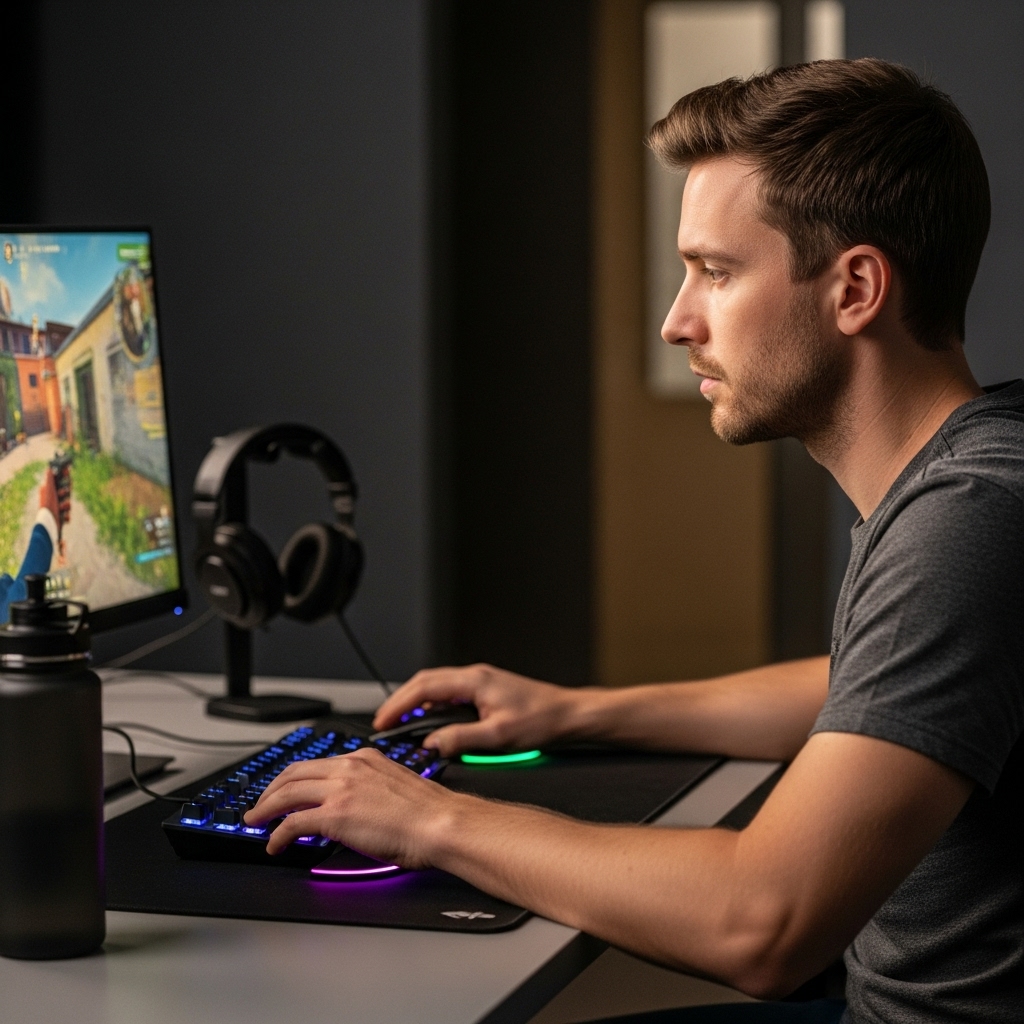

Intense competitive matches often create physical tension that leads to slippery palms and lost precision right when fast reactions matter most. Discovering how to stop sweaty hands when gaming is a common challenge for PC players navigating demanding shooters or high-stakes strategy titles. When moisture accumulates on peripheral surfaces, tracking accuracy drops and hand fatigue increases rapidly, regardless of whether you are adjusting mouse DPI settings or holding tight defensive positions. Understanding the underlying physiological and environmental triggers allows players to regain control over their grip and maintain consistent tactile feedback across extended sessions.
Environmental warmth, hardware heat dissipation, and elevated adrenaline all contribute to perspiration during competitive play. While dedicated peripherals and gaming keyboard choices offer durable surface textures, managing hand sweat often requires a combination of practical room adjustments, personal hygiene habits, and specialized grip accessories. Tackling this issue prevents premature wear on hardware coatings and ensures your physical input matches your in-game intentions without unexpected slips.

Practical Solutions to Prevent and Manage Sweaty Hands When Gaming
Hand perspiration during gaming is a physiological reaction driven by heightened focus, adrenaline surges, and surrounding thermal conditions. Finding an effective strategy requires addressing environmental factors, adjusting peripheral contact points, and adopting proven moisture management habits. Players who tackle both internal stress reactions and external room heat can maintain steady control across hours of competitive play.
Physiological and Stress Triggers During Competitive Play
The human body naturally produces sweat through eccrine glands, which are concentrated heavily on the palms of the hands and soles of the feet. During intense gaming moments, the sympathetic nervous system activates a fight-or-flight response, releasing adrenaline and triggering these sweat glands regardless of the room temperature. This localized sweating evolved to improve skin friction during survival situations, but excessive moisture has the opposite effect on smooth plastic peripherals. Recognizing that palm sweat is a natural autonomic response helps players realize that physical relaxation techniques are just as valuable as physical grip aids.
Psychological tension often leads to an involuntary habit known as death-gripping, where a player squeezes their mouse or controller with excessive force. This continuous pressure traps warm air between the skin and the peripheral surface, preventing natural ventilation and accelerating sweat production. Tight gripping also restricts localized circulation, causing fatigue and stiffness in the fingers over long tournament matches or ranked sessions. Consciously loosening hand tension between rounds allows trapped heat to dissipate and reduces the intensity of stress-induced sweating.
Ambient Temperature Control and Desktop Placement
Room temperature plays an immediate role in how quickly hand perspiration accumulates across your desk setup. High-performance desktop towers generate substantial heat during demanding rendering tasks, venting warm exhaust air into the immediate vicinity. When a PC sits directly next to a mousepad, internal case fans often blow warm air right over the player’s dominant hand. Relocating the computer tower to the floor or moving it to the opposite side of the desk prevents this continuous thermal wash from warming your fingers and palms.
Maintaining cooler ambient room air significantly slows the onset of palm perspiration during prolonged sessions. Setting a thermostat slightly lower or running a room dehumidifier removes the heavy, humid air that prevents sweat from evaporating naturally. Adding a small USB desk fan pointed directly across the keyboard and mousepad provides a constant, gentle cross-breeze. This steady airflow speeds up moisture evaporation without interfering with microphone audio or causing discomfort to your eyes.
Managing PC Thermal Exhaust and Airflow Dynamics
Modern gaming rigs pull considerable wattage, with power supplies and dedicated graphics cards discharging high thermal loads into the surrounding room. If a computer chassis utilizes side or front exhaust ports, that heated air can circulate directly into the player’s primary input zone. Checking the orientation of your case fans ensures that hot air vents upward and backward, away from peripheral contact zones. Proper fan curves also keep system components cooler under sustained loads, reducing overall ambient heat spikes around your workspace.
Compact desktops and small-form-factor builds concentrate thermal energy into tighter footprints, often requiring higher fan speeds to expel hot air into the surrounding environment. In cramped gaming spaces, this continuous discharge can raise desk-level temperatures by several degrees within an hour of play. Ensuring at least six inches of clear space behind and above your PC allows thermal exhaust to disperse into the room rather than reflecting off walls back toward your hands. Keeping radiator fins and dust filters clean also prevents hardware from running unnecessarily hot during demanding gaming sessions.
Wearable Grip Accessories and Breathable Finger Sleeves
Specialized wearable fabrics offer an immediate physical barrier between perspiring skin and sensitive gaming surfaces. Finger sleeves constructed from ultra-thin carbon fiber or high-density conductive weaves absorb moisture instantly while preserving full tactile precision on buttons, keys, and touchscreens. The product description for the UOADIGI gaming finger sleeves highlights high-purity carbon fiber woven between 0.1 and 0.3 millimeters thick, delivering quick-drying breathability compared to dense silicone alternatives. These lightweight woven sleeves prevent thumb and fingertip moisture from accumulating on mouse side grips or mobile screens during intense action.
Using fabric barriers also standardizes sliding friction across slick surfaces regardless of how much hand moisture you produce. Traditional bare skin tends to stick and skip against smooth plastic or glass when damp, causing erratic aim adjustments and delayed inputs. Breathable sleeves incorporate friction-reducing coatings that maintain consistent glide resistance during rapid directional swipes. For players handling both desktop mice and portable devices, compact fabric sleeves can be carried easily in a pocket or gear case for quick access anywhere.
Compression gloves and sweatbands designed for gaming provide broader coverage for players who experience heavy palm and forearm perspiration. Forearm sweat frequently runs down toward the wrist, dampening fabric mousepads and creating muddy, high-friction spots that ruin smooth mouse tracking. Wearing a thin, moisture-wicking wristband absorbs sweat before it touches the desk surface or peripheral padding. Compression materials also promote steady blood circulation throughout the hands, helping prevent joint stiffness during back-to-back competitive matches.
Selecting Peripheral Materials, Coatings, and Textures
The exterior finish of your gaming mouse dramatically influences how moisture interacts with your grip. Glossy plastic surfaces provide high traction for bone-dry skin, but even a thin layer of sweat turns glossy shells extremely slippery and greasy. Matte finishes and textured PBT plastics resist oily residue much better and allow moisture to disperse rather than pooling in one spot. Players prone to perspiration generally experience much more dependable control with rough matte coatings or micro-textured peripheral shells.
Applying textured adhesive grip tape to mouse buttons and side panels is one of the most effective mechanical modifications for sweaty hands. These aftermarket tapes typically feature soft polyurethane or rubberized surface patterns that channel moisture away from the actual contact points. Even when your palms are damp, the tactile ridges of grip tape bite into your skin without requiring extra squeezing pressure. Grip tape also protects the underlying mouse shell from the corrosive chemical components found in human sweat, preserving your hardware over years of daily use.
Honeycomb or perforated mouse shells offer passive ventilation by allowing air to circulate directly under the palm during play. While open-shell designs do not stop the body from sweating, they reduce the surface area where heat and moisture become trapped. The gaps in the chassis encourage ambient air movement that helps keep the palm cooler than an enclosed plastic housing. Players choosing perforated hardware should verify that internal circuit boards feature water-resistant conformal coatings to guard against sweat-induced electrical shorts.
Topical Antiperspirants, Drying Powders, and Hand Primers
Specialized antiperspirant lotions formulated for athletes and gamers offer a direct biochemical method to reduce palm sweat production. These lotions typically rely on active compounds like aluminum sesquichlorohydrate or silica gels to temporarily plug sweat glands on the surface of the skin. Applying a small drop twenty to thirty minutes before a gaming session gives the active formula sufficient time to bond with the skin and block perspiration. Unlike heavy cosmetic hand creams, specialized gaming lotions dry to a completely non-greasy finish that will not soil mouse switches.
Liquid chalk and silica-based grip powders provide rapid moisture absorption for players who need an immediate solution during competitive breaks. These suspensions spread easily over the palms and evaporate within seconds, leaving behind a microscopically fine drying film that enhances friction. Liquid chalk creates far less airborne dust than traditional athletic gym chalk, keeping desk setups and mechanical keyboard keycaps relatively clean. Using chalk sparingly ensures you maintain a solid grip without clogging the small crevices around mouse side buttons or scroll wheels.
Washing your hands thoroughly with cool water and antibacterial, oil-cutting soap immediately before gaming removes natural surface sebum and residue. Warm water opens skin pores and accelerates blood flow, which can actually stimulate earlier sweating once intense gameplay begins. Rinsing thoroughly in cold water helps constrict peripheral blood vessels and leaves the hands cool and dry at the start of your match. Keeping a clean, lint-free microfiber cloth at your desk allows you to wipe your palms during brief respites between rounds without scratching peripheral surfaces.
Adjusting Grip Style and Physical Technique
Your chosen mouse grip style directly affects the total surface area of skin in contact with warm peripheral plastic. A full palm grip rests the entire underside of your hand against the mouse shell, sealing off airflow and creating an insulated thermal pocket that maximizes sweat generation. In contrast, a fingertip or claw grip elevates the palm completely off the chassis, allowing ambient room air to circulate freely under your hand. Transitioning to a grip style that minimizes surface contact can significantly reduce sweat accumulation without requiring any additional hardware purchases.
Taking deliberate physical micro-breaks between gaming rounds gives your hands an opportunity to shed accumulated heat. Simply taking your hand off the mouse during death screens, load phases, or tactical pauses allows ambient air to dry out your palm naturally. Shaking out your fingers and stretching your wrists during these intervals also releases muscular tension that contributes to stress-related sweating. Establishing consistent habits of physical relaxation prevents the escalating cycle of anxiety, tight gripping, and excessive moisture buildup.
Cleaning and Maintaining Hardware Affected by Perspiration
Sweat consists of water, sodium chloride, lactic acid, and trace minerals that can slowly degrade delicate gaming equipment if left unchecked. Over time, evaporated sweat leaves behind stubborn salt deposits that cause mouse buttons to stick and create abrasive buildup on mouse feet. Wiping down peripheral contact points with a lightly dampened microfiber cloth after every session prevents these mineral crusts from accumulating. Avoiding harsh chemical solvents preserves delicate anti-oil surface coatings and prevents rubber side grips from dissolving or peeling away prematurely.
Fabric cloth mousepads readily absorb perspiration, dead skin cells, and hand oils, resulting in uneven friction zones known as muddy spots. When sweat saturates mousepad weave, cursor tracking becomes inconsistent and mouse glides lose their smooth, predictable resistance. Washing your cloth pad every few months using warm water, a tiny amount of dish soap, and a soft sponge restores original surface glide. Allowing the mousepad to air dry completely for twenty-four hours ensures moisture does not seep into the rubber base or damage optical mouse sensors.
Integrating a Balanced Routine for Sweaty Hands
Overcoming the problem of sweaty hands rarely depends on a single magic fix; rather, it requires combining personal hygiene, desk airflow, and the right physical accessories. Starting with a cold water hand wash, positioning case fans away from the desk area, and applying grip tape or breathable finger sleeves forms a robust defense against unwanted slippage. Maintaining this consistent routine ensures that sudden adrenaline spikes during ranked play do not compromise your aim or tactile consistency. With clear adjustments to your physical environment and gear, you can play with confidence and maintain total control through every competitive match.








Write Your Review
No reviews yet. Be the first to share your experience!