


Balancing Campus Mobility and Gaming Hardware
Campus life demands a computer that can survive back-to-back lectures in the library without demanding a power outlet at every turn. Many students buy high-powered machines only to realize heavy power bricks, loud cooling fans, and short battery runtimes make classroom note-taking frustrating. Evaluating hardware for higher education requires looking at physical weight, thermals, and graphics capabilities simultaneously. Securing the best gaming laptop for college means balancing everyday productivity needs with enough graphical horsepower to play modern titles during downtime.
Hardware configurations vary significantly across price categories, ranging from energy-efficient ultraportables to dedicated gaming rigs. Entry-level models with integrated chips handle basic school assignments, while machines equipped with dedicated GPUs deliver the muscle needed for demanding titles. Screen responsiveness also matters for play and creative workflows, making a smooth 144Hz gaming panel a practical asset. Memory configuration remains equally critical, as having 16GB of system RAM ensures smooth multitasking across heavy research sessions and academic software.
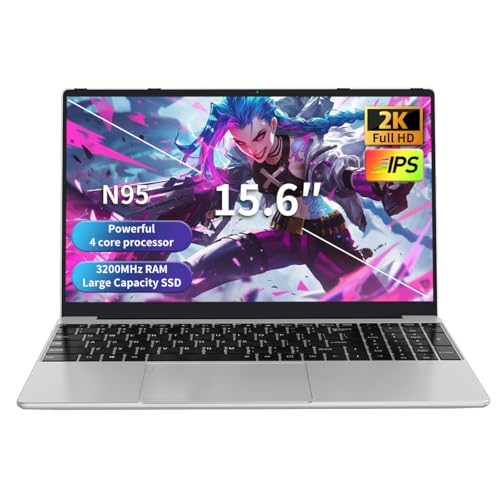

Pros
- Affordable entry-level gaming laptop with good CPU performance for the price.
- Portable and lightweight enough for college students or work-from-home gamers.
- Backlit keyboard and IPS display add value for the budget segment.
- Solid build quality with a clean, professional silver design.
Cons
- Only 8GB RAM may limit multitasking in demanding games and applications; upgrade recommended.
- Display likely 60Hz refresh rate, not ideal for competitive FPS gamers seeking higher smoothness.
- Limited storage expansion options? The 512GB SSD is decent but may fill up quickly; check for upgradeability.
The HP Victus 15 is a budget gaming laptop that brings together a capable NVIDIA GeForce RTX 3050 and a 12th Gen Intel Core i5-12500H processor. This combination makes it a solid choice for PC gamers looking for an affordable entry point into portable gaming. It's also well-suited for casual gamers, esports players, and college students who need a laptop for both schoolwork and light gaming.
In terms of real-world performance, the RTX 3050 can handle most modern games at 1080p with medium to high settings, especially when using DLSS. The i5-12500H is a strong performer for multitasking, so you can stream, browse, or run productivity apps without major slowdowns. However, the 8GB of RAM is a bottleneck for more demanding titles and heavy multitasking. Many users may want to upgrade to 16GB for smoother performance in games like Call of Duty or Cyberpunk 2077. The display is a Full HD IPS panel with good viewing angles, but the refresh rate is likely 60Hz, which is fine for casual play but not ideal for competitive FPS gamers who prefer 120Hz or higher.
Build quality is solid for the price range. The laptop feels sturdy with a clean silver finish, and the backlit keyboard is a nice touch for late-night gaming sessions. The enhanced thermal design helps keep temperatures in check during extended play, though it can get warm under load. Portability is a plus: at just over 5 pounds and a slim profile, it fits easily into a backpack for dorm or office use. The 512GB SSD provides fast boot times and enough storage for a few games, but you may need to manage space or invest in an external drive.
Setting up the HP Victus 15 is straightforward. It comes with Windows 11 pre-installed, and the HP software suite includes basic controls for performance and power management. The laptop has a decent selection of ports including USB-A, USB-C, HDMI, and a headphone jack, making it easy to connect peripherals like a gaming mouse or headset. Cable management is simple given the laptop form factor, but the included charger is a bit bulky.
One realistic limitation is the 8GB RAM, which is on the low side for modern gaming. Additionally, the display's 60Hz refresh rate may disappoint competitive gamers. The storage is also limited to 512GB, so you'll need to be selective about which games you install. Upgrading the RAM and SSD is possible on some models, but check the specific configuration before buying.
Overall, the HP Victus 15 is a practical choice for budget-conscious gamers who need a portable machine for light gaming and everyday tasks. It's a solid entry-level gaming laptop for students, casual players, and those who want to dip their toes into PC gaming without breaking the bank. If you're willing to upgrade the RAM later, this laptop offers good value for the price.


Pros
- Excellent value for 144Hz gaming at this price point, delivering smooth visuals in popular esports titles.
- Upgradeable RAM (up to 64GB) and storage (up to 2TB) allows future-proofing as your library grows.
- Reliable build and thermal design keep the system stable during extended gaming sessions without excessive fan noise.
- Wi-Fi 6 and USB 3.0 ports offer modern connectivity for peripherals and high-speed internet.
- Windows 11 Pro adds business-grade features like BitLocker and Remote Desktop for versatile use.
Cons
- Battery life drops significantly under gaming load, typical for budget gaming laptops; expect around 2-3 hours of intense use.
- Some units may ship with the RTX 3050 4GB variant instead of the advertised 6GB, so verify your specific configuration.
- The 144Hz panel is decent but not the brightest; outdoor or brightly lit rooms may cause glare.
The HP Victus 15.6" gaming laptop is an entry-level to mid-range option designed for PC gamers who want solid 1080p performance without breaking the bank. It's best suited for casual and competitive gamers, college students, streamers just starting out, and anyone building a budget gaming setup that needs portability. With an Intel Core i5-12450H processor and an NVIDIA GeForce RTX 3050 graphics card, this machine handles most modern titles at medium to high settings.
In real-world gaming, the 144Hz display offers a significant advantage in fast-paced shooters like Call of Duty or Overwatch, providing smoother motion and reduced input lag. The 16GB of DDR4 RAM ensures that you can keep Discord, Spotify, or OBS running in the background without stuttering. The 512GB PCIe SSD loads games quickly, though you may want to upgrade storage if you plan to install multiple AAA titles. According to user feedback, the laptop performs reliably for games such as Fortnite and Apex Legends at 60-90 FPS on high settings.
Build quality is typical for the HP Victus line: a sturdy plastic chassis with a blue finish that looks sleek on a desk. The backlit keyboard is comfortable for typing, though not mechanical, and the trackpad is adequate. The laptop weighs 5.1 pounds, making it easy to take to a dorm room or LAN party. Cooling is handled by dual fans that keep temperatures in check during long sessions, but the fans do become audible under load. Battery life is a limitation: you'll get around 5-6 hours for light use, but expect only 2-3 hours while gaming, which is common among budget gaming laptops.
Setup is straightforward out of the box, but if you want more RAM or storage, the bottom panel is easy to remove for upgrades. Some users noted that the advertised 6GB VRAM may actually be 4GB on their unit, so double-check your specific model before buying. This is a realistic caveat but doesn't diminish the laptop's overall value. The included Wi-Fi 6 and USB 3.0 ports give you fast networking and peripheral connectivity, and the micro-edge display minimizes bezels for a more immersive look.
Limitations include the aforementioned battery life and a display that isn't very bright (around 250 nits), which can be a problem in well-lit rooms. Additionally, the RTX 3050 is best for 1080p gaming; don't expect to run demanding titles at 1440p. For content creators, the laptop can handle light video editing in DaVinci Resolve, but heavier workloads may require a more powerful GPU. Overall, the HP Victus is a practical recommendation for budget-conscious PC gamers who need a portable, capable machine for school, work, and play.

Pros
- Strong gaming and multitasking performance with RTX 5060 and Intel Core 7 processor.
- Large 17.3-inch 144Hz display offers smooth motion clarity for competitive gaming.
- Thin and light design for a 17-inch laptop, easy to carry between rooms or classes.
- Fast DDR5 memory and NVMe SSD improve load times and system responsiveness.
- Effective cooling system helps maintain performance during extended gaming sessions.
Cons
- 1080p resolution may not satisfy users wanting higher pixel density on a 17-inch screen.
- Graphics card listed as RTX 4060 in specs could cause confusion; verify exact model.
- Battery life may be limited under heavy gaming loads typical for gaming laptops.
The MSI Cyborg 17 B2RWFKG-074US is a 17.3-inch gaming laptop built for gamers who want a big screen without carrying a heavy rig. It balances performance and portability, making it a solid pick for PC gamers, competitive players, streamers, and content creators who need power they can move between home, dorm, or office. The translucent black design adds a unique visual flair that RGB enthusiasts may appreciate.
At the heart of this laptop is an Intel Core 7-240H processor paired with an NVIDIA GeForce RTX 5060 graphics card. This combo handles modern titles at high settings, with the 144Hz FHD display ensuring smooth motion in fast-paced games like FPS and MOBA titles. DLSS 4 support helps boost frame rates without sacrificing image quality, which is useful for both competitive play and visually demanding open-world games. The 16GB of DDR5 RAM and 1TB NVMe SSD provide fast load times and enough space for a growing game library, plus room for creative projects or school files.
Build quality is practical for a portable gaming machine. At 0.83 inches thick and 5.5 pounds, it is relatively slim for a 17-inch laptop. The Cooler Boost thermal system uses a shared-pipe design to manage heat from both CPU and GPU, which helps maintain performance during long gaming sessions without excessive fan noise. The keyboard area features a translucent finish that aligns with the laptop's cyberpunk-inspired aesthetic, and the backlit keys are easy to use in low-light gaming environments.
Connectivity is well-rounded for a gaming setup. It includes USB-C, USB-A, HDMI, and RJ45 ports, along with Wi-Fi 6E for low-latency online gaming and fast file transfers. This makes it easy to connect to external monitors, gaming mice, headsets, and other peripherals. The laptop runs Windows 11 Home and includes Microsoft Copilot, which can assist with productivity tasks like content creation or research.
One realistic limitation is the 1080p resolution on a 17-inch panel. While 144Hz refresh rate is excellent for competitive gaming, some users may prefer a higher resolution for creative work or media consumption. Additionally, the spec sheet lists the graphics card as both RTX 5060 and RTX 4060 in different places, so buyers should confirm the exact model before purchase. Battery life on gaming laptops is typically limited under heavy load, so this unit is best used plugged in for gaming sessions.
Overall, the MSI Cyborg 17 is a strong choice for gamers who prioritize a large screen, solid performance, and portability in one package. It suits competitive and casual gamers alike, and also works well for streamers or content creators needing a mobile rig. For anyone building a gaming setup that requires a laptop that can handle both play and productivity on the go, this model delivers reliable performance without being a burden to carry.


Frequently Asked Questions
How much RAM is ideal in a student gaming laptop?
Sixteen gigabytes of RAM is generally the ideal sweet spot for college students who balance academic multitasking with gaming. While basic productivity tasks can run on 8GB, modern games and multi-tab browser research quickly consume available system memory. Several models featured on this list, such as the HP Victus and MSI Cyborg, include 16GB of DDR4 or DDR5 memory. Some models also allow memory upgrades up to 64GB, giving you room to expand if your coursework requires heavy data processing or engineering tools.
Can a gaming laptop battery last through a full day of college classes?
Most gaming laptops struggle to last an entire campus day on battery alone, especially models equipped with high-power discrete GPUs and bright displays. Battery life varies widely based on hardware wattage and power management settings. Machines with integrated AMD graphics and larger batteries, such as the 54.72Wh or 7000mAh units listed, typically last longer away from the wall than heavy GPU rigs. Selecting a system equipped with an advanced GPU switch or taking advantage of laptops featuring a MUX switch helps save power by disabling the dedicated graphics card during standard class lectures.
Is integrated graphics enough for college gaming, or is a dedicated GPU necessary?
Integrated graphics can run lightweight esports titles and basic 2D games, but a dedicated GPU is necessary for demanding 3D modern titles. Processors with AMD Radeon integrated graphics or Intel Celeron chips handle documents, streaming, and older games comfortably while conserving battery power. However, if you plan to play graphics-intensive games or enroll in 3D modeling courses, systems equipped with discrete NVIDIA GeForce RTX graphics provide the required rendering performance.
How heavy should a college gaming laptop be for easy carrying?
Aim for a weight between 3.5 and 5.5 pounds if you plan to carry your laptop around campus every day. Lightweight entry systems can weigh as little as 3.5 pounds, making them effortless to slip into a backpack alongside textbooks. Mid-range and full-sized 17-inch gaming laptops often reach 5.5 pounds or more, which requires a sturdy laptop bag and extra space for the external charger.
Does screen size matter when choosing a gaming laptop for college dorms and classrooms?
A 15.6-inch or 16-inch display offers the most balanced compromise between classroom desk space and gaming visibility. Compact lecture hall desks make massive 17.3-inch or 18.5-inch screens awkward to position during class. Smaller 15.6-inch displays fit comfortably on standard desks while still providing Full HD resolution for detailed study notes and evening gaming sessions.


Write Your Review
No reviews yet. Be the first to share your experience!