


Quiet Cab Audio for Long Hauls
Constant diesel engine roar and highway wind can turn routine dispatcher check-ins into stressful shouting matches. Straining to hear dispatch or family over road noise causes severe mental fatigue, especially when you spend ten or eleven hours behind the wheel. Investing in the Best Headsets For Truckers helps filter harsh cab environments so you stay connected without cranking the volume to dangerous levels. Based on our detailed comparison of driver configurations, microphone specs, and user feedback, reliable environmental noise cancellation makes a night-and-day difference for voice clarity. Solid wireless communication keeps your hands on the wheel while you navigate busy highway corridors.
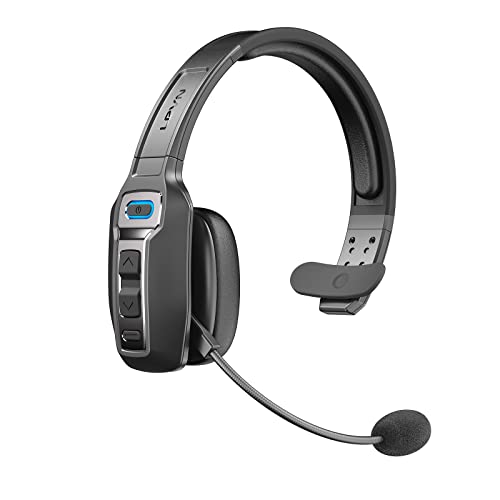
Battery life and comfortable headband balance also play crucial roles during cross-country freight runs. A single-ear mono design lets you monitor CB chatter and road conditions freely, while soft memory foam ear cushions prevent painful ear pressure during twelve-hour driving stints. Modern models with Bluetooth multipoint even let you balance phone calls and GPS directions seamlessly, much like configuring the best mouse for work across multiple office machines. Looking at durable hardware from brands like BlueParrott, LEVN, and Sarevile shows how far mobile voice gear has advanced for road warriors.




Frequently Asked Questions
How does microphone noise reduction cancel out diesel engine roar?
Noise-canceling boom microphones use dual-mic arrays and environmental noise cancellation algorithms to isolate vocal frequencies from low-frequency engine rumbles. The external secondary mic samples background road sounds, while the primary mic picks up your voice. The internal processing chip subtracts the ambient drone before transmitting your voice to the caller. This keeps dispatchers from hearing loud exhaust sounds or open window drafts.
Why do professional drivers prefer single-ear mono headsets over dual-ear models?
Single-ear mono headsets keep one ear open so you retain full situational awareness of highway traffic, sirens, and trailer sounds. Driving laws in many states also prohibit wearing two earpieces while operating commercial motor vehicles. The mono configuration delivers clear hands-free calls while keeping you compliant with safety regulations. It also prevents excessive heat buildup around your ears on long summer runs.
Can you connect these trucker headsets to two phones at the same time?
Yes, most modern options feature Bluetooth multipoint connectivity that supports simultaneous pairing with two separate devices. You can stay connected to your personal smartphone and a commercial fleet navigation tablet or company phone at the same time. The headset switches audio automatically to whichever device receives an incoming call. This dual-device pairing functions reliably just like modern wireless peripherals such as the best wireless PC mouse on multiple computers.
How long does the battery typically last on the Best Headsets For Truckers of 2026?
Battery runtime ranges from 24 hours of continuous talk time on heavy-duty models up to 65 hours on extended-life units. Standby times often reach hundreds of hours, meaning you only need to recharge every few days or weekly. Modern USB-C fast charging also replenishes a full charge within two to three hours from a standard 12-volt truck adapter. This prevents sudden power loss in the middle of long hauls.
How do you prevent ear cushion pain and headband pressure during 10-hour shifts?
Choosing a headset with an adjustable steel headband and plush protein leather memory foam cushions prevents pressure hotspots around the ear and skull. Flexible 270-degree rotatable microphones also allow you to swap the unit between your left and right ear whenever ear fatigue sets in. Balanced clamping force keeps the unit firmly in place over rough bumps without squeezing your temples or glasses frames.




Write Your Review
No reviews yet. Be the first to share your experience!