
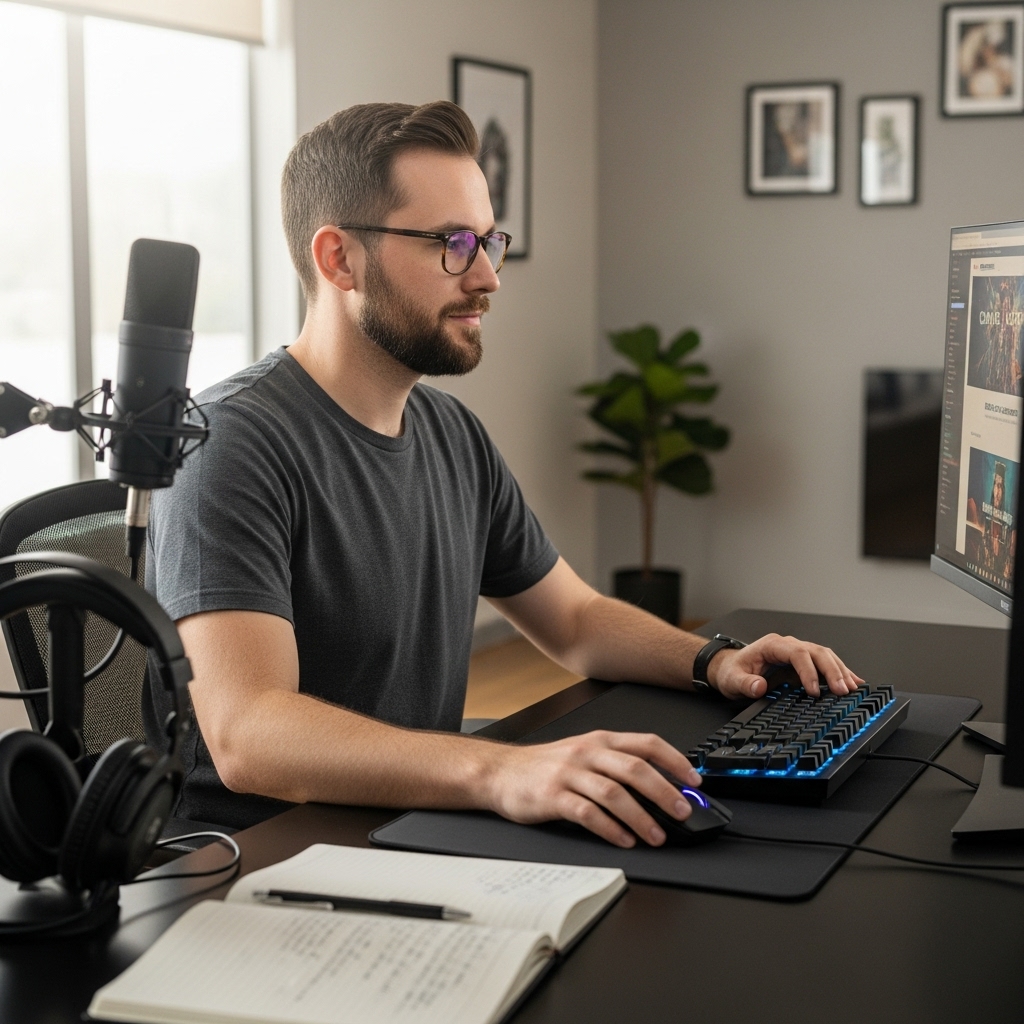

Muffled dialogue and harsh volume spikes turn relaxing evening entertainment into an annoying chore. Cranking up the volume to catch whispered conversations often sends explosions booming across the house, disturbing sleeping family members and neighbors. Finding the best headset for watching tv solves this issue instantly by delivering clear speech reproduction, balanced stereo audio, and low-latency wireless transmission directly to your ears. Modern dedicated home listening setups rely on dedicated base stations that connect straight into your television using optical audio, RCA outputs, or 3.5mm AUX connections to bypass the lip-sync lag typical of standard wireless protocols. Much like setting up a clean visual layout with a performance gaming laptop, dialling in private audio transforms everyday media consumption.
Long movie marathons demand lasting comfort alongside crisp sound output. Ear cushions wrapped in breathable protein leather and high-density memory foam prevent painful ear pressure, allowing glasses wearers and movie fans to binge shows for hours without skull fatigue. Extended playback times reaching 40 to 65 hours mean you won’t have to keep hunting for charging cables after every single show. Based on our analysis of transmitter designs, driver tunings, and user feedback, prioritizing dedicated docking stations and independent volume balance delivers the most dependable private theater experience in 2026.


Frequently Asked Questions
Can you use the Best Headset For Watching Tv if your TV only has an optical audio output?
Yes, most dedicated wireless TV listening headsets include a digital optical audio input on the base transmitter. You simply plug the provided TOSLINK cable from your television optical port into the charging base. Remember to set your TV digital audio output format to PCM or stereo in the audio settings menu, because multichannel Dolby formats can cause silent playback on two-channel headsets.
Why do standard Bluetooth headphones suffer from audio delay when watching movies?
Standard Bluetooth connections introduce between 100 and 200 milliseconds of latency, which causes noticeable lip-sync mismatch between actor speech and screen action. Dedicated home theater models overcome this issue by utilizing 2.4 GHz digital RF or low-latency Bluetooth protocols that keep lag under 40 milliseconds. This ultra-fast transmission keeps voices perfectly synchronized with mouth movements during live sports and action movies.
Will the TV speakers remain on for others while wearing a headset?
Yes, but this depends on your television audio settings or hardware pass-through support. Units featuring an optical audio pass-through port allow your TV to feed audio simultaneously to an external soundbar and the wireless headset dock. If you manage an entertainment center alongside other wireless peripherals like a responsive wireless PC mouse, keeping transmitters slightly separated prevents potential signal crosstalk.
How does ambient sound mode work on hearing-focused TV headsets?
Ambient sound mode uses built-in environmental microphones to amplify external room conversations without requiring you to remove the ear cushions. Activating this feature mutes or blends the television audio with immediate household voices, allowing quick chats with family members. It proves especially helpful for elderly viewers who need localized amplification for both media and face-to-face discussions.
Can individuals with hearing aids wear over-ear TV headphones comfortably?
Yes, spacious over-ear designs with deep memory foam cushions typically accommodate behind-the-ear hearing aids without causing audio feedback or physical pinching. Closed-back earcups distribute clamping force evenly around the skull rather than pressing directly against ear cartilage. For users seeking tailored audio, models offering dedicated left-and-right balance control and speech clarity tone filters help adjust frequencies to match individual hearing profiles.



Write Your Review
No reviews yet. Be the first to share your experience!