
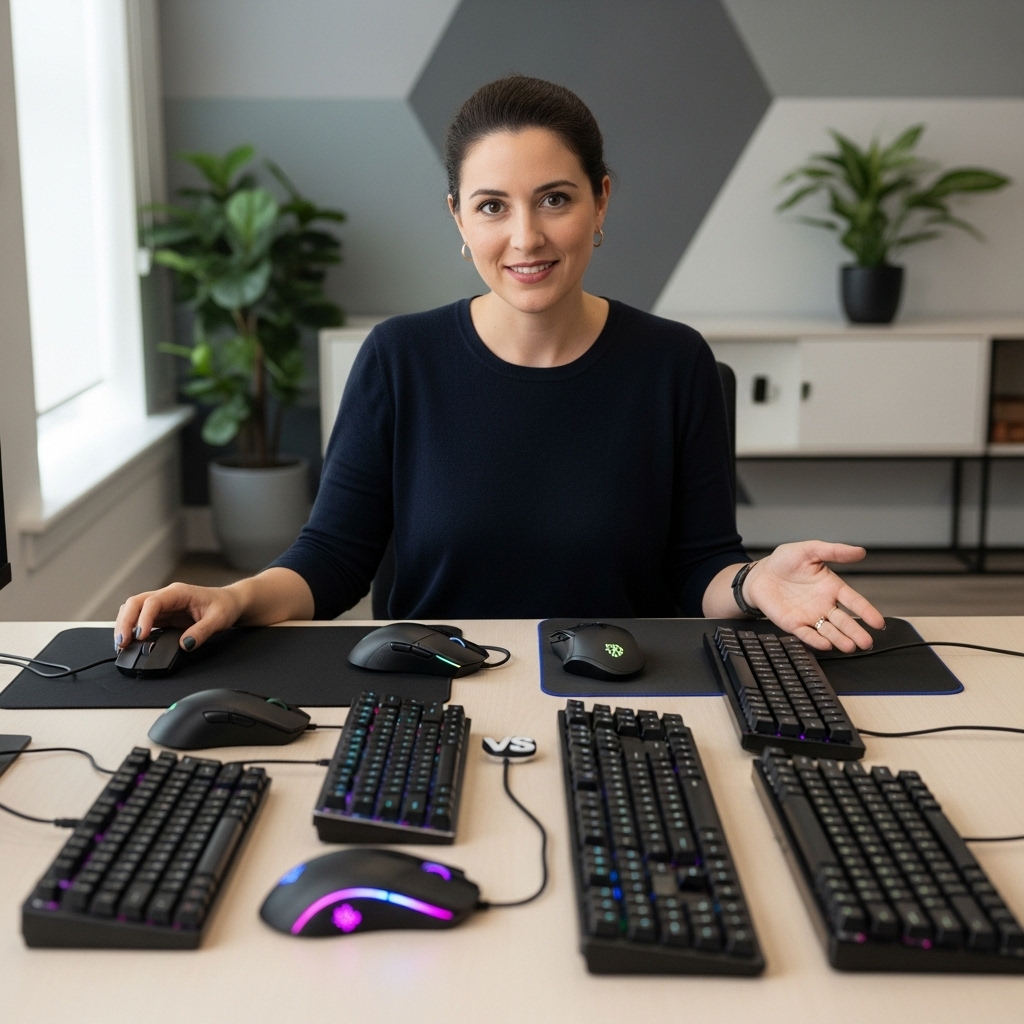

Buying a Gaming Laptop Under 1000 Euros often means balancing raw power against thermal limits and battery life. Many buyers expect high frame rates, but thermal throttling can quietly cap performance during long sessions. You need a machine that stays cool and quiet while handling your workload. The gap between marketing specs and real-world stability is where most confusion lives. This review breaks down the key factors that actually affect your daily use. We focus on the hardware that keeps your system responsive under pressure.
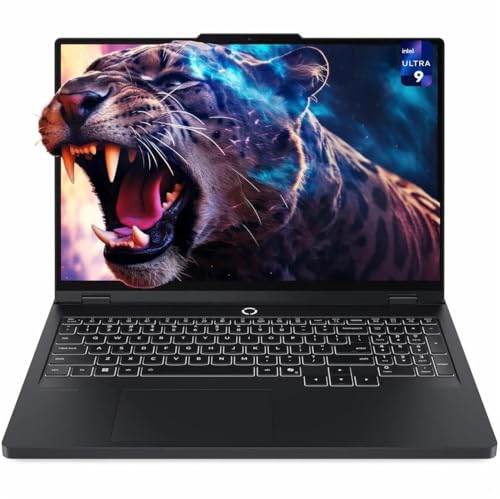
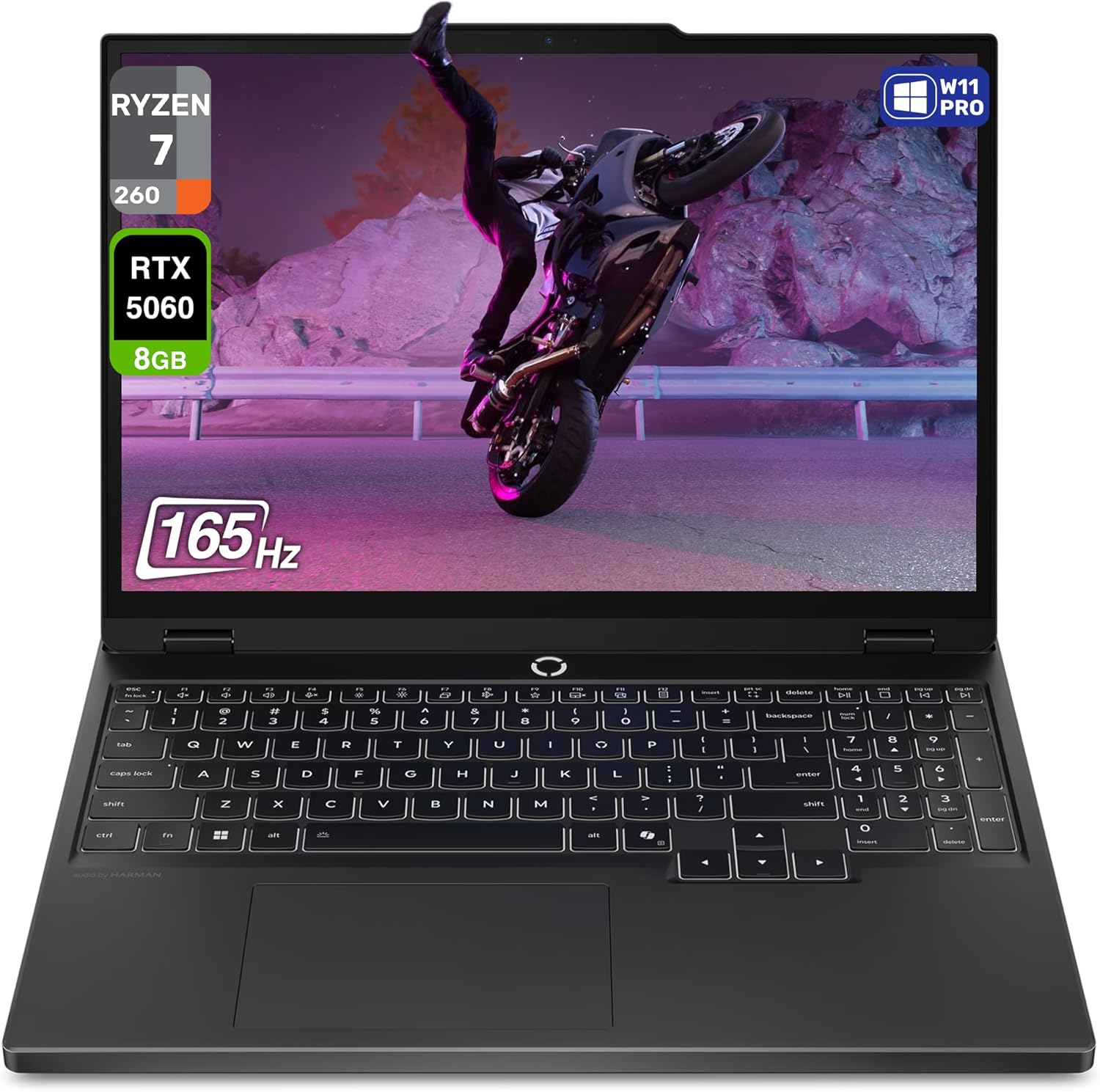
The two options here target different needs within the same budget bracket. One prioritizes portability and modern connectivity, while the other offers a larger screen for immersive viewing. Both rely on AMD processors to deliver solid multitasking capabilities. You should consider how you plan to use the laptop, whether for casual gaming or content creation. The value picks in this range often compromise on discrete graphics. Understanding these trade-offs helps you avoid disappointment after purchase. Let’s look at what each model brings to the table.


Frequently Asked Questions
Is 16GB RAM enough for modern gaming?
Yes, 16GB is the current standard for most titles. It handles background tasks and game assets efficiently. This capacity prevents stuttering in many multiplayer environments. You may need more for heavy 3D rendering or virtual machines. For casual and light competitive play, this amount is sufficient.
Can I upgrade the SSD or RAM later?
Upgradeability varies significantly by model and chassis design. Some laptops have soldered memory, limiting expansion options. Check the specific product details for open slots. The portable picks often prioritize thinness over modularity. Always verify the internal layout before assuming you can add more storage or memory later.
What is the difference between 144Hz and 240Hz?
Higher refresh rates reduce motion blur and input lag. A 144Hz panel is smooth for most gamers. A 240Hz display offers even sharper motion clarity. This difference is most noticeable in fast-paced competitive titles. It requires a capable GPU to sustain those frame rates consistently.
How loud are the fans under load?
Fan noise depends on the cooling system design. Thinner laptops often run louder to dissipate heat. Look for models with dual fans or vapor chambers. User feedback often highlights noise levels during sustained gaming. You should check recent reviews for specific decibel readings if noise is a priority.
Does the laptop support external monitors?
Yes, both models include HDMI and USB-C ports. This allows you to connect external displays easily. You can extend your desktop or mirror your screen. This setup is great for productivity and streaming. Ensure your GPU supports the resolution and refresh rate you need.




Write Your Review
No reviews yet. Be the first to share your experience!