


Cooling, power, and case fit can make or break an upgrade
A powerful GPU can still disappoint if its cooler runs loud, its board crowds nearby slots, or your case cannot clear the shroud. This nvidia gtx 1080 ti roundup focuses on practical details that shape a sensible used-card purchase: 11GB GDDR5X VRAM on listed partner models, cooling layouts, dimensions where supplied, and power requirements where stated. That memory capacity gives these cards a useful buffer for many games and creative workloads, but it does not guarantee smooth performance in every new title or make heavy ray tracing a strength.
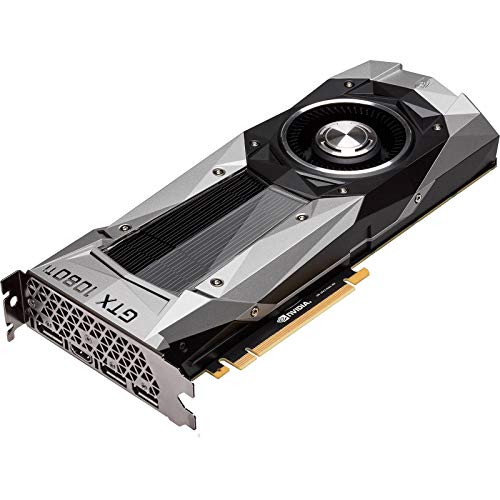
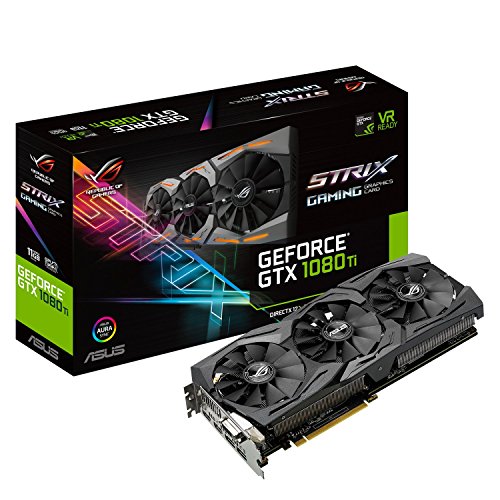
Product descriptions are not equally detailed, so check the exact listing and seller terms before you commit. The ASUS ROG STRIX model lists three axial fans and FanConnect II, while the MSI card lists dimensions of 290 x 140 x 51 millimeters. EVGA specifies a 600-watt minimum PSU and separate 6-pin and 8-pin PCIe connectors. Those details can help you avoid case clearance surprises and power supply mismatches, but the Founders Edition listing provides no card dimensions or electrical specs. For broader value comparisons, see these graphics card picks for budget-conscious builds or this guide to graphics cards for high-FPS gaming.


FAQs
Is 11GB of VRAM enough for 1440p or 4K gaming?
Yes, 11GB can provide a useful buffer for many 1440p games and some 4K workloads. Actual results depend on the game, settings, and texture demands, and this capacity does not ensure high frame rates or strong ray tracing performance.
What power supply does a GTX 1080 Ti need?
The EVGA SC Black Edition listing specifies a 600-watt minimum PSU with one 6-pin and one 8-pin PCIe connector. Requirements can vary by card and the rest of your PC, so check the exact model listing and your PSU cables before purchase.
Will a GTX 1080 Ti work with a PCIe 4.0 or PCIe 5.0 motherboard?
Usually, a PCIe graphics card can operate in a compatible motherboard slot, but these product listings do not specify the cards’ PCIe interface version. Confirm the exact model and motherboard documentation rather than assuming a particular link speed or performance result.
How much case clearance should I check before buying?
Check graphics card length, height, and slot thickness against your case specifications. The MSI listing gives dimensions of 290 x 140 x 51 millimeters; the other supplied listings do not provide full card measurements, so verify those with the seller before ordering.
Is a triple-fan GTX 1080 Ti quieter than a blower-style card?
Not necessarily, since noise depends on fan curves, case airflow, and workload. The ASUS ROG STRIX listing describes three axial fans and 0dB fan operation, while the ASUS Turbo model is a different cooler design; neither listing supplies measured noise levels.
Does the GTX 1080 Ti support DLSS or AV1 encoding?
No, the listed product information does not claim DLSS or hardware AV1 encoding support for these cards. Check the software and streaming features you need before buying, and consider this 4K graphics card guide if newer features are a priority.




Write Your Review
No reviews yet. Be the first to share your experience!