
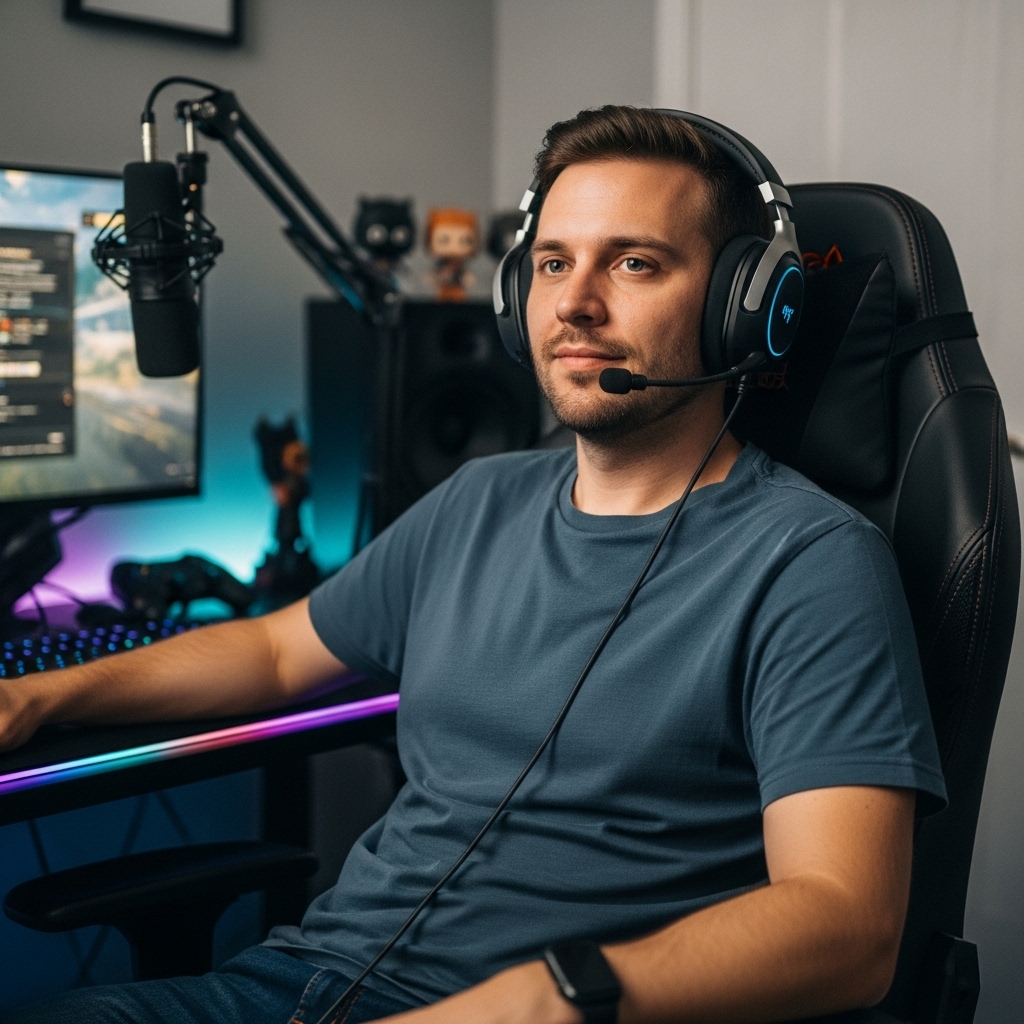

Setting up a dependable workstation often leads to an important question about personal seating investments. When shoppers evaluate new gear, figuring out how much does a gaming chair cost becomes an essential step before upgrading any room. Pricing across the market varies considerably, ranging from entry-level builds to heavy-duty ergonomic models. Taking time to review manufacturer specifications helps clarify what kind of durability you can expect. Understanding what drives these variations ensures you secure dependable support without paying extra for superficial styling.
Many shoppers balance their seating budget alongside other essentials like affordable desk accessories to create a functional workspace. In basic chairs, manufacturers often use standard cut foam and simple recline hinges to keep production costs modest. Upgraded models introduce specialized pocket spring cushions, wider wingless seat bases, and reinforced steel frames designed for higher weight limits. Comparing materials, adjustment features, and warranty terms will help you find the right balance for your daily desk sessions.




Understanding Gaming Chair Pricing and Real Setup Value
Determining how much does a gaming chair cost requires examining the structural engineering, raw materials, and adjustability packed into each model. Entry-level chairs offer accessible points of entry for casual setups, while mid-tier and heavy-duty designs incorporate sophisticated components that elevate initial manufacturing expenses. Evaluating your daily sitting habits, workspace dimensions, and physical support needs helps clarify which price bracket aligns with your goals. The following breakdown explores the mechanical, structural, and practical elements that define value across the modern seating landscape.
How Market Tiers Define Gaming Chair Value
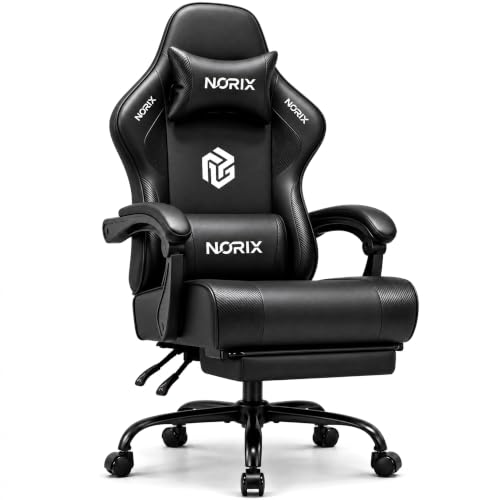
Entry-level models represent the most accessible tier in the gaming chair category. Brands like GTPLAYER focus on essential functionality by pairing racing-style silhouettes with baseline tilt mechanisms, removable headrest pillows, and nylon swivel bases. These chairs provide a practical upgrade over rigid dining chairs or basic task stools for casual computer use. However, budget-focused engineering generally relies on thinner foam cushions and fixed-position components that suit occasional rather than all-day sitting.
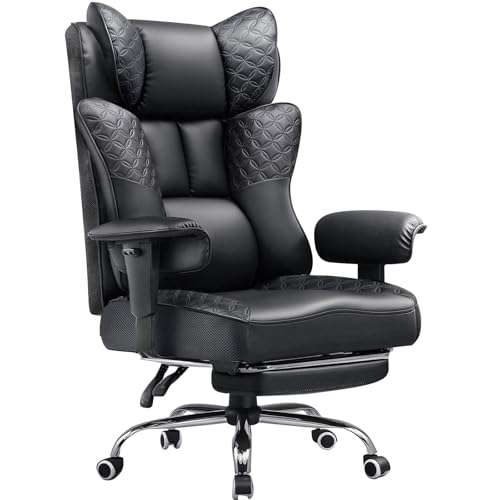
Mid-tier and heavy-duty seating introduce substantial upgrades in mechanical versatility and structural capacity. Options produced by HELXQEXB and Wismestr frequently add retractable footrests, broader recline angles reaching up to 150 degrees, and low-center-of-gravity metal bases. At the heavy-duty end, manufacturers like N-GEN GAMING incorporate reinforced steel frames, wider seat pans, and SGS certified Class 3 gas lifts rated for 400 pounds. Producing chairs with verified load capacities demands higher raw material volume and rigorous stress testing, justifying their higher investment level.
Internal Frame and Base Materials That Drive Expenses
The internal skeleton of a gaming chair serves as the primary foundation for user safety and long-term durability. Lower-tier seating often uses composite wood cores or thin-walled metal tubing to reduce production expenses and shipping weight. In contrast, premium builds like those from JECQCUPG utilize a one-piece steel frame with increased metal thickness to prevent frame twisting. Investing in heavier steel tubing increases component costs, but it minimizes annoying frame squeaks and wobbles during posture shifts.
The five-star base, casters, and central cylinder also create noticeable price separation between chair categories. Standard molded nylon bases perform reliably under normal static loads, but heavy-duty metal bases offer superior resistance to lateral stress. High-grade cylinders, such as certified Class 3 gas lifts, ensure dependable height adjustments without gradual sinking over months of ownership. Equipping a base with whisper-quiet, floor-friendly casters further raises manufacturing expenses while protecting hardwood surfaces from unsightly scratches.
Cushioning Architecture: Pocket Springs Versus Standard Foam
Seat cushion engineering directly dictates how comfortable a chair remains over extended work or gaming sessions. Basic chairs rely almost exclusively on standard cut polyurethane foam, which keeps manufacturing simple but tends to bottom out after repeated use. Molded high-density foam offers improved rebound resilience by utilizing custom curing molds to create a firmer, longer-lasting seat core. While high-density foam adds to production expenses, it distributes body pressure more evenly across your hips and thighs.
Hybrid seat construction elevates cushioning performance by pairing high-rebound foam with interior pocket spring coils. Borrowed from premium mattress and sofa manufacturing, this method appears in models from JECQCUPG, N-GEN GAMING, and Wismestr. The individual springs compress independently under targeted body weight, preventing pressure points that often cause restlessness during long desk sessions. Furthermore, modern wingless designs expand effective seat widths to 51 centimeters or more, allowing users to sit cross-legged or shift positions naturally.
Mechanical Adjustability: Recline and Armrest Systems
The mechanical linkages underneath the seat cushion play a significant role in total chair costs. Entry-level chairs frequently feature synchronized armrests that pivot in coordination with the backrest. In JECQCUPG chairs, this linkage maintains forearm support across three preset recline angles of 90, 110, and 135 degrees. Independent multi-angle reclining systems, such as those from HELXQEXB, allow smooth backrest adjustment up to 150 degrees with positive locking at any point. Fabricating locking recliner mechanisms that securely hold weight at steep angles requires precision-cut steel teeth and heavy internal springs.
Armrest versatility represents another primary driver of manufacturing expenses. Simple chairs provide fixed T-arms or basic height adjustment levers. Advanced designs include 3D armrests, seen on select GTPLAYER models, which allow height changes, forward-backward slides, and inward-outward rotational pivots. Each directional axis requires internal tracks, locking push-buttons, and durable hardware, explaining why fully adjustable armrests are rarely found on the cheapest budget chairs.
Upholstery Durability and Maintenance Requirements
The external covering of a gaming chair must endure continuous friction, temperature shifts, and routine cleaning. Most gaming chairs within accessible and mid-range tiers utilize polyurethane synthetic leather. Quality PU leather resists light water splashes, cleans easily with a damp microfiber cloth, and provides a polished executive aesthetic. However, thinner synthetic vinyl coverings can be prone to premature peeling or cracking if exposed to harsh sunlight or heavy daily friction.
Higher-tier synthetic materials incorporate multi-layer laminates and scratch-resistant top treatments to extend practical service life. Manufacturer descriptions for HELXQEXB and N-GEN GAMING chairs emphasize wear resistance and surface durability to reassure buyers. In addition, some designs introduce micro-perforated textures to promote passive airflow around the lumbar region during long sessions. These specialized upholstery treatments add minor fabrication overhead, but they improve overall satisfaction for users in warmer climates.
Stated Weight Ratings and Heavy-Duty Engineering
A chair’s stated weight rating offers valuable insight into its internal structural reinforcement. Standard chairs commonly support up to 300 pounds or approximately 150 kg, as specified for JECQCUPG models. Building a chair for standard limits enables manufacturers to use standard-gauge steel and conventional base diameters, keeping manufacturing and freight costs reasonable. For many average-sized users, these standard ratings provide more than enough structural security for daily use.
Heavy-duty chairs with 400-pound capacities require reinforced structural engineering throughout every load-bearing joint. Options like the N-GEN GAMING big-and-tall chair utilize thicker steel subframes, reinforced five-star steel bases, and heavy-duty gas cylinders. It is important to note that weight ratings indicate structural tolerance rather than a definitive guarantee of ergonomic fit. Reviewing published specifications regarding cushion width and backrest height ensures the chair supports your posture properly, avoiding uncomfortable pressure points.
Integrated Accessories: Footrests, Lumbar Pads, and Extras
Secondary accessories and comfort add-ons can significantly shape both chair utility and overall pricing. Built-in retractable footrests, featured on models from GTPLAYER, HELXQEXB, and Wismestr, provide extendable leg support for casual reclining. The inclusion of dual metal slide rails, lock collars, and upholstered leg pads adds manufacturing complexity and physical hardware. While footrests enhance versatility for movie watching or console gaming, they represent an extra component to inspect and maintain.
Spinal support components also vary widely in design complexity and adjustment capability across different price points. Many chairs supply external headrest and lumbar cushions secured by elastic straps, allowing users to position them along the backrest. Advanced systems, like the 7-point precision support engineered by JECQCUPG, utilize independent adjustments tailored to users across varying heights. Some models, such as the Wismestr desk chair, even incorporate vibration massage nodes inside the lumbar pillow, adding electronic novelty to seating.
Workspace Harmony: Integrating Seating with Your Desk Setup
A gaming chair must integrate smoothly with your overall workstation layout to deliver maximum comfort. Setting up your chair height properly works hand in hand with other desk upgrades, such as balancing your lighting with desk lighting options to reduce eye fatigue. When your seat height allows your feet to rest flat on the floor, your shoulders can relax naturally without excessive hunching. Harmonizing chair adjustments with surrounding equipment ensures your entire workstation functions as an efficient unit.
Power users who operate multi-screen arrays or dedicated monitor configurations need stable seating that maintains precise sightlines throughout long sessions. A wobbly tilt mechanism or sagging gas lift can disrupt your posture and alter your viewing angles relative to high-resolution displays. Furthermore, height-adjustable armrests allow you to lower the pads so the chair can slide completely under the desktop when not in use. Investing in a chair with dependable recline tension and a rigid steel base keeps your viewing angle consistent and preserves room space.
Warranty Protection, Return Policies, and Replacement Parts
The total investment in a gaming chair involves more than just the checkout price; ongoing ownership protections matter just as much. Brands like GTPLAYER provide stated policies including 30-day refund or replacement windows alongside one-year repair coverage. These protections shield buyers from unexpected manufacturing defects, transit damage, or missing hardware right out of the box. Having clear warranty backing offers valuable security when buying large furniture items online without testing them in person first.
Assessing component modularity and replacement part availability can extend the practical lifespan of your seating investment. Over years of regular use, standard mechanical parts like casters, gas cylinders, and armrest pads may eventually experience natural wear and tear. Chairs built around standard gas lift diameters and universal caster stems allow for straightforward replacement without discarding the entire chair. Choosing brands with responsive customer support ensures you can source factory-spec parts whenever maintenance becomes necessary.
Matching Your Budget to Daily Sitting Needs
Determining the right seating budget ultimately comes down to your personal sitting routine, body size, and ergonomic preferences. Casual gamers who spend only a few hours at their desks each week may find entry-level chairs more than sufficient for their needs. Conversely, remote professionals and dedicated gamers who spend full workdays in their seats benefit greatly from investing in pocket spring cushions and multi-axis armrests. Prioritizing core structural integrity over flashy cosmetic accents ensures your seating investment delivers lasting comfort.
Before making a final choice, carefully measure your desk height, verify your required seat width, and review manufacturer weight ratings. Paying extra for heavy-duty steel frames, certified gas lifts, and durable PU upholstery pays dividends in long-term stability and reduced maintenance worries. By aligning your personal dimensions with verified product specifications, you can confidently choose a chair that elevates your daily workspace. A thoughtful investment in solid construction will support your posture and productivity for years to come.




Write Your Review
No reviews yet. Be the first to share your experience!