


Hardware Priorities for Demanding Engineering Workloads
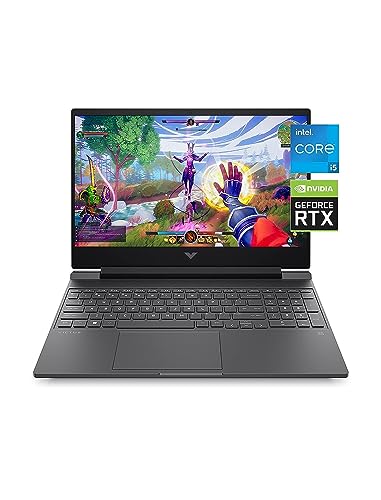
Complex 3D modeling programs and finite element simulations place heavy thermal pressure on compact laptop chassis. When mechanical design software struggles to render dense assemblies, slow processing pipelines and inadequate cooling quickly stall project deadlines. Selecting an effective laptop for mechanical engineering students requires balancing heavy computation capabilities against daily battery conservation for lectures. Investing in capable hardware with entry-level dedicated graphics makes a noticeable difference in viewport rendering speeds compared to basic integrated chips.
System memory capacity also dictates how smoothly parametric assemblies and simulation meshes rebuild inside design packages. A system configured with sixteen gigabytes of RAM and fast solid-state storage gives students the headroom necessary to run simulation software alongside web tools. Choosing models that balance battery runtimes with laptops featuring a MUX switch can help optimize power draw between intensive labs and simple note-taking. Along with the core computing platform, organizing project files and protecting hardware helps keep academic coursework on track.


Frequently Asked Questions
What are the minimum specifications for a Laptop For Mechanical Engineering Students in 2026?
A multi-core processor paired with 16GB of system RAM represents the practical baseline for engineering tasks. Computer-aided drafting tools and finite element packages demand consistent calculation speeds to avoid slowdowns. Fast solid-state storage with at least 512GB ensures rapid boot times for large project directories.
Do mechanical engineering students need a dedicated graphics card?
Yes, a dedicated graphics processor is strongly recommended for 3D modeling workloads. While integrated graphics handle basic 2D sketches, dedicated VRAM accelerates model rotation and shading in programs like SolidWorks. Dedicated GPUs also free up central processor bandwidth to maintain system responsiveness during intensive rendering.
Is 16GB of RAM sufficient for mechanical engineering coursework?
Yes, 16GB of RAM is generally sufficient for undergraduate coursework and standard parametric models. This capacity allows students to run CAD tools smoothly while keeping browser tabs and computational software active. Advanced simulation projects benefit from 32GB if the laptop allows future memory expansion.
Which display features matter most when evaluating a Laptop For Mechanical Engineering Students?
Screen resolution and panel size matter most because technical blueprints require clear visual detail. A 15-inch or 16-inch display with a high-resolution QHD screen provides sharp lines without causing excessive eye fatigue. Matte coatings also cut distracting reflections in campus libraries.
Can engineering students use macOS for their coursework?
No, Windows remains the standard operating system due to direct engineering software compatibility. Many foundational CAD and finite element analysis programs run natively only on Windows platforms. Virtualization can introduce licensing hurdles and performance penalties during demanding lab exercises.
How important is battery life when choosing a laptop for engineering?
Battery longevity is essential for campus mobility, although heavy simulations will require AC wall power. Intense computational rendering rapidly depletes battery reserves and triggers power throttles. Having six or more hours of light-use battery life prevents scrambling for outlets during lectures.




Write Your Review
No reviews yet. Be the first to share your experience!