
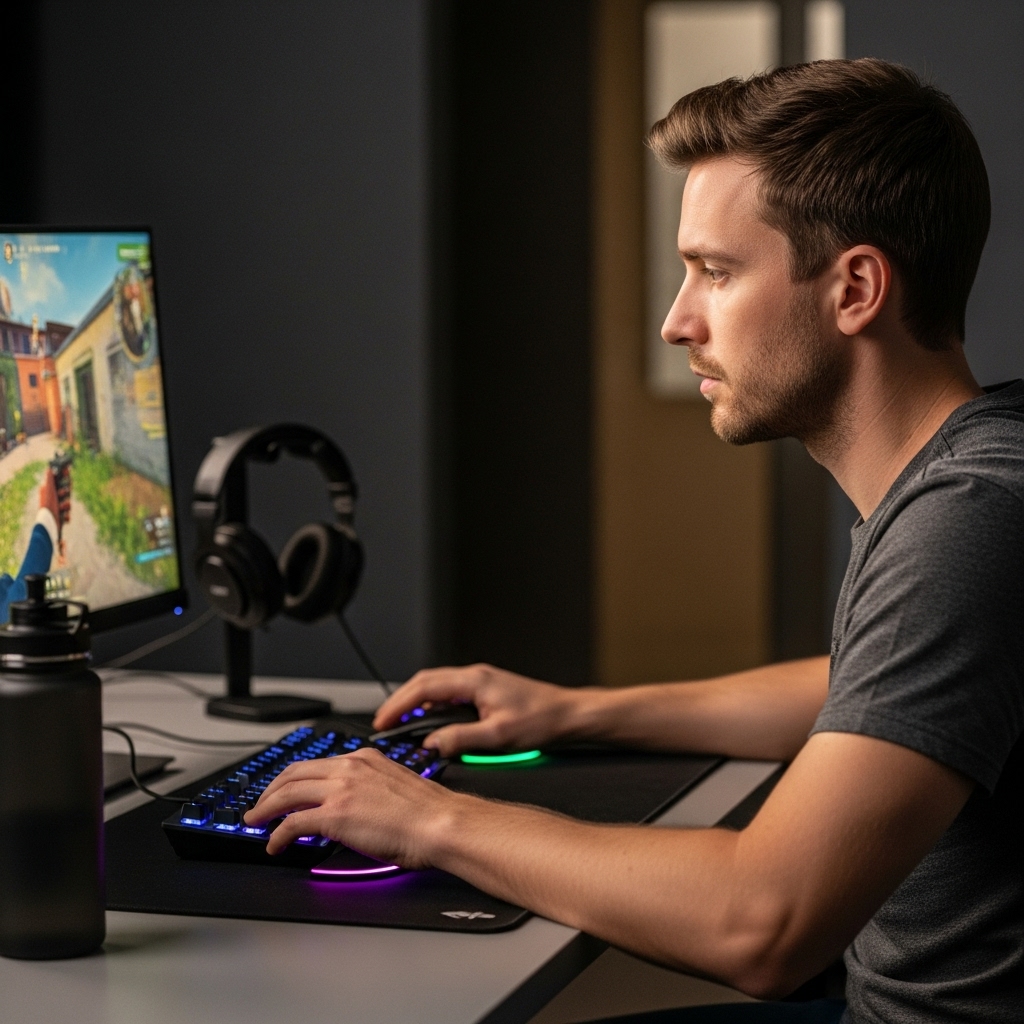

Muffled voice pickup and hollow, muddy bass can instantly ruin an intense competitive match or work presentation. When cheap acoustic drivers fail to separate subtle footsteps from heavy explosions, listeners lose critical environmental cues. Upgrading to the best headsets for sound quality delivers crisp acoustic separation across every frequency range without inducing painful ear fatigue. Gamers pairing their audio gear with a dedicated gaming laptop setup often find that high-fidelity dynamic drivers reveal layered audio details that standard computer speakers completely miss.
Excessive clamping force and stiff foam earcups also turn extended voice chats into uncomfortable endurance tests. Premium acoustic gear combines plush memory foam ear cushions, balanced weight distribution, and directional boom microphones for seamless team coordination. Based on detailed manufacturer hardware specifications and user feedback, pairing comfortable listening gear with a precision PC gaming mouse creates a distraction-free environment for both competitive play and daily productivity. Investing in the best headsets for sound quality provides lasting vocal clarity, immersive surround sound, and passive noise isolation that keeps you locked into your audio.


Pros
- Affordable price point for an entry-level gaming headset with 7.1 surround sound support.
- Plug-and-play USB connection works seamlessly on PC, PS4, and PS5 without additional software.
- Noise-cancelling microphone performs well for in-game chat and Discord calls, reducing ambient noise.
- Memory foam ear cushions and lightweight design offer good comfort for extended gaming sessions.
- Long 2.2-meter cable provides flexibility for desk setups and couch console gaming.
Cons
- Not compatible with console game controllers (only PS4/PS5 USB port) – no Xbox support.
- Lacks dedicated software for EQ customization or surround sound tuning – relies on system defaults.
- Build materials feel mostly plastic, which may not hold up as well as more expensive headsets over time.
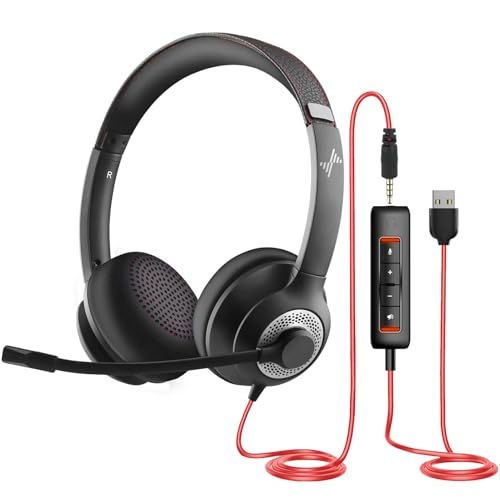
The EKSA E1000 is a USB gaming headset designed for PC gamers and console players who want a budget-friendly way to step into virtual surround sound. It plugs directly into a USB port on your computer, PS4, or PS5, and instantly delivers 7.1-channel audio without any drivers or software installation. This makes it a practical choice for anyone who values simplicity and low cost over advanced customization.
This headset is best suited for casual PC gamers, college students, work-from-home gamers, and those just starting to build their gaming setup. It's also a fine option for streamers or content creators who need a reliable backup mic, thanks to the noise-cancelling microphone that helps keep background chatter out of your broadcasts or Discord calls. However, competitive esports players may want to look for a headset with more precise sound imaging and a lighter weight.
In terms of audio performance, the 50mm neodymium drivers provide clear mids and decent bass, while the 7.1 surround sound creates a more immersive experience in games like shooters or RPGs. The microphone uses omnidirectional noise reduction to pick up your voice clearly and filter out ambient noise, though it may not match dedicated condenser mics in quality. For everyday gaming and voice chat, it gets the job done well.
Comfort is a strong point: the memory foam earmuffs are soft and breathable, and the adjustable headband distributes weight evenly, reducing pressure during long sessions. The 2.2-meter cable is generous for desktop setups and even gives you some room to lounge while gaming on a console nearby. The RGB lighting on the ear cups adds a subtle glow that enhances your desk aesthetic without being distracting.
A realistic limitation is that the EKSA E1000 is not compatible with console game controllers, only with USB ports on the console itself. That means no plugging into a PS5 controller for voice chat – you'll need to use the console's USB port. Also, there is no software EQ or surround sound tuning, so you're limited to the default sound profile. The all-plastic build feels a bit lightweight, but for the price, that's expected.
Overall, the EKSA E1000 is a great entry-level gaming headset for PC gamers on a tight budget, console players who can use USB audio, and anyone who needs a spare headset for their gaming desk or dorm room. It delivers solid comfort, an easy setup, and adequate audio for most casual and competitive gaming scenarios. Backed by a 2-year warranty, it's a low-risk purchase for those seeking value without breaking the bank.

Pros
- Legendary long-session comfort with soft memory foam padding and balanced clamping force
- Sturdy brushed aluminum frame offers exceptional long-term physical durability
- Clear, punchy audio profile powered by large 53mm drivers that excel in tactical shooters
- Driverless USB sound card provides instant hardware volume control and mic adjustments
- Detachable microphone provides flexibility for listening to music or solo campaigns
Cons
- Microphone output level can sound somewhat low without software gain tweaks like VoiceMeeter
- Virtual 7.1 surround sound processing can introduce reverb, making stereo mode preferable for some competitive games
- Lacks built-in mic monitoring sidetone and dedicated desktop companion software for EQ tuning
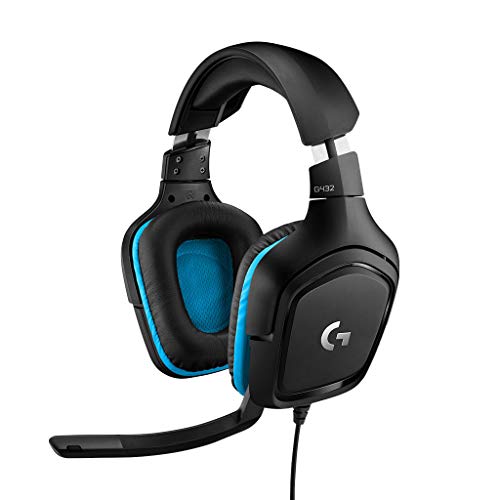
The HyperX Cloud II is an over-ear wired gaming headset engineered with an external USB audio control box, 53mm dynamic drivers, and a solid aluminum core. Built specifically for PC gamers, esports competitors, streamers, and home office users who balance gaming with work or school, this headset focuses on long-wearing ergonomics and dependable acoustic reproduction. Its clean design fits cleanly into modern RGB battle stations, minimalist clean desk setups, or college dorm rooms where versatile audio gear is required.
In tactical shooters and fast-paced multiplayer titles, sound design can make or break competitive outcomes. Based on product specifications and user feedback, the large 53mm neodymium drivers produce a balanced frequency response with rich mid-tones and crisp treble, making subtle footsteps, weapon reloads, and distant vehicle engines easy to pinpoint. While the hardware-driven USB dongle introduces virtual 7.1 surround sound at the touch of a button to add extra spatial depth in cinematic games, many competitive players report that the natural stereo mode provides sharper directional accuracy for pinpointing enemy angles.
Physical durability and long-session comfort have historically defined this headset. Featuring dense memory foam ear cushions wrapped in soft leatherette alongside a padded headband with reinforced red contrast stitching, the headset distributes its clamp force evenly across small and large heads alike. The brushed aluminum yoke and flexible frame withstand regular twisting, desk drops, and travel inside a backpack without developing structural creaks. The closed-back acoustic design naturally attenuates distracting background noise, helping players stay locked into focus even when PC cooling fans are spinning at maximum RPM.
Setup is entirely plug-and-play, eliminating the headache of complex software suites or bloated background utilities. For optimal sound clarity and low noise, user feedback suggests plugging the included USB sound card directly into rear motherboard ports rather than unshielded front PC case headers. The in-line control box grants instant tactile control over headphone volume, microphone gain, and hardware mic muting. The detachable noise-cancelling boom microphone provides clear vocal capture for Discord callouts, though users seeking extra broadcast presence may want to apply digital gain via third-party audio software, as the raw input level tends to be modest out of the box.
A few practical limitations are worth keeping in mind. Because the audio control box is fully hardware-based, there is no companion software suite for deep parametric EQ adjustment, nor does the headset provide hardware mic monitoring or sidetone. Console gamers on platforms like Xbox must connect via the analog 3.5mm cable directly into the controller, which restricts audio to standard stereo rather than the USB-driven surround processing.
For PC gamers, college esports players, and desktop builders seeking an ultra-comfortable, dependable wired headset that avoids fragile all-plastic hinges, the HyperX Cloud II remains an outstanding daily driver. Its rock-solid aluminum frame, fatigue-free ear cushions, and balanced acoustic performance make it a battle-tested desktop staple that easily handles work meetings by day and competitive gaming sessions all night.
Driven by 53mm directional drivers, the HyperX Cloud II generates an impactful audio signature characterized by punchy low-end punch and detailed high-end clarity. In tactical titles like Counter-Strike 2, Valorant, or Call of Duty, players can easily pick out movement cues, surface changes, and reload sounds without auditory clutter.
The detachable boom microphone features built-in noise attenuation and digital signal processing when paired with the USB control box. Voice communications in Discord, TeamSpeak, and Zoom remain intelligible and free of ambient keyboard clicks, making it an efficient setup solution for team callouts and everyday remote work.
The physical structure of the Cloud II relies on high-grade aluminum yokes anchored into an adjustable headband, eliminating the common cracking points found on all-plastic gaming headsets. The lightweight frame rests securely without excessive clamping pressure, allowing users wearing glasses to game for multiple hours without temple pinch.
The plush memory foam ear pads create an effective passive acoustic seal that dampens PC case fan hum and household noise. Maintenance is straightforward, as the ear cushions can be wiped down or swapped out over time to keep the headset fresh and comfortable through years of desktop duty.

Pros
- Excellent audio clarity with well-balanced sound signature that excels in competitive games.
- Comfortable lightweight build that can be worn for hours without fatigue.
- High-quality microphone that picks up voice clearly and minimizes background noise.
- Outstanding value for money given the performance and build quality at this price point.
Cons
- 7.1 surround sound is only available on Windows 10 64-bit systems, limiting console use.
- Wired 3.5mm connection may be less convenient than wireless for some users.
- Ear cushions can feel warm during extended sessions due to the leatherette material.
The Razer BlackShark V2 X is a wired gaming headset designed to bring esports-grade audio and communication to a wider audience. It features custom-tuned 50mm TriForce drivers that split the driver into three parts for individual tuning of highs, mids, and lows, resulting in brighter, clearer sound with punchy bass. The headset also includes 7.1 surround sound capability via software on Windows 10, giving competitive players a distinct advantage in positional audio.
This headset is best suited for PC gamers who want reliable performance without a high price tag. It also works great for console players on PS5, PS4, and Nintendo Switch, though the surround sound feature is PC-only. Streamers and content creators will appreciate the HyperClear cardioid microphone, which rejects background noise and delivers clear voice pickup for Discord calls or live commentary. Casual gamers and college students building a budget setup will find it a solid all-rounder.
In terms of real-world performance, the BlackShark V2 X excels in audio clarity and directional sound. Footsteps and gunfire in FPS games like Counter-Strike 2 are easy to pinpoint, and the microphone quality is among the best in its price range. The passive noise cancellation from the closed earcups helps block out ambient noise, allowing you to stay focused during intense matches. The lightweight 240g frame and memory foam ear cushions ensure comfort during long sessions, though some users note the leatherette can get a bit warm over time.
Build quality is typical of Razer's budget line: a sturdy plastic frame that feels durable enough for everyday use. The cable is braided and includes an audio/mic splitter for PC compatibility. There's no RGB lighting, which keeps the design simple and professional. The headset connects via a standard 3.5mm jack, making it plug-and-play on most devices without needing additional drivers. Setup is straightforward: just plug in and you're ready to go.
A realistic limitation is the lack of wireless connectivity and the fact that the 7.1 surround sound only works on Windows 10 64-bit. Additionally, some users report that the ear cushion material can cause slight discomfort in hot climates, though this is a minor trade-off for the price. The microphone is fixed (not detachable), which might be a drawback for those who prefer a clean headset for music listening.
Overall, the Razer BlackShark V2 X offers exceptional value for its price. It delivers clear audio, a quality mic, and comfortable fit that rivals headsets costing twice as much. If you're a PC gamer looking for a reliable wired headset for competitive play, casual gaming, or streaming, this is a strong contender. Console gamers will also enjoy its cross-platform compatibility. It's a practical choice for anyone needing a no-fuss, performance-focused audio solution for their gaming setup.
The Razer BlackShark V2 X features 50mm TriForce drivers that produce clear highs, detailed mids, and solid lows. The sound signature is balanced, making it suitable for both gaming and music. The 7.1 surround sound (on Windows 10) adds spatial awareness, helping you hear enemy movements and environmental cues with precision. The passive noise cancellation further enhances immersion by reducing external noise.
The flexible HyperClear cardioid microphone captures your voice accurately while rejecting background noise from the sides and rear. Vocal clarity is excellent during in-game communication and voice chats. Teammates and viewers will hear you clearly without distracting ambient sounds. The mic is non-detachable but folds up out of the way when not in use.
At just 240g, the BlackShark V2 X is one of the lightest gaming headsets available. The memory foam ear cushions and padded headband distribute weight evenly, reducing pressure points. The closed-back design provides good sound isolation but can trap heat. The plastic construction feels sturdy enough for daily use, and the cable is reinforced for durability.

Pros
- Excellent 7.1 surround sound performance for directional audio in FPS and open-world games, based on user feedback
- Comfortable breathable fabric ear cushions and ergonomic headband reduce fatigue during long gaming or work calls
- Reliable dual wireless connectivity with low latency, and Bluetooth 5.4 for mobile devices, plus wired backup
- Retractable noise-canceling mic with clear voice pickup for in-game chat, Discord, and streaming without background noise
Cons
- Wireless mode not compatible with Xbox consoles, only wired via 3.5mm cable
- Some users report battery life may not reach advertised 100 hours in heavy usage with RGB and mic enabled; customer service responsive for replacements
- Ear cups are large and may feel bulky for smaller heads or prolonged use without breaks
The Valorise Wireless Gaming Headset (model UG-08S) is a versatile over-ear headset designed for gamers who want both performance and affordability. It packs 7.1 surround sound, dual wireless connectivity, a retractable noise-canceling mic, and customizable RGB lighting into a sub-$40 package. This headset targets a wide audience including PC gamers, competitive and casual players, esports enthusiasts, streamers, content creators, and even work-from-home users who need reliable audio for calls.
In terms of gaming performance, the 7.1 surround sound delivers solid spatial awareness, helping you pinpoint footsteps, gunfire, or environmental cues in games like Valorant, Call of Duty, or Apex Legends. The dynamic driver provides clear highs and decent bass, though bass depth may not satisfy audiophiles. Latency is minimal with the 2.4GHz dongle (rated under 5ms), making wireless play feel nearly as responsive as wired. The microphone, while not studio-grade, effectively cancels background noise (as per ENC tech) and reproduces voice clearly for team chat or streaming. Some PS5 users may need to adjust audio output settings manually to optimize volume and mic levels, but the process is straightforward.
Build quality strikes a balance between lightweight comfort and durability. The headband uses memory foam and breathable fabric, which reduces heat and pressure during long sessions. The ear cups rotate for a better fit and are padded with soft cushions that envelop the ears, providing passive noise isolation. The retractable mic is a thoughtful touch, keeping the design clean when not in use. However, the headset is on the larger side, so players with smaller heads might find it slightly loose or heavy after several hours; adjusting the headband helps.
Setup is nearly plug-and-play: the included USB-A/Type-C 2-in-1 dongle works immediately with PC, PS5, PS4, and Switch, while Bluetooth 5.4 pairs quickly with phones and tablets. The 3.5mm cable adds compatibility with Xbox controllers and other devices. Switching between modes is easy via the multifunction button. The headset also charges via USB-C and supports simultaneous use while charging. Maintenance is low: just wipe the fabric ear cups occasionally.
Realistic limitations include the lack of wireless support for Xbox (only wired mode works), and battery life that varies with usage. In Bluetooth mode with RGB off, you can approach the 100-hour claim, but with RGB and mic on in 2.4GHz mode, expect closer to 45 hours. A few user reviews mention battery inconsistency, but Valorise's customer service appears responsive in addressing concerns. Additionally, the RGB lighting, while cool, is not RGB-per-key or software-customizable; it only offers steady and gradient modes controlled via button.
Overall, the Valorise UG-08S is a strong contender for budget-conscious gamers and streamers who need a reliable wireless headset with good sound, comfort, and multi-platform support. It works well for PC gaming setups, console play, and even office calls. If you mostly game on Xbox or prioritize audiophile-grade audio, consider alternatives, but for the price, this headset delivers impressive value for most PC and PlayStation users.
Frequently Asked Questions
Do 50mm dynamic drivers offer better sound quality than 40mm drivers?
Larger 50mm dynamic drivers generally provide deeper bass response and higher volume output without distortion. Acoustic tuning and diaphragm materials also play a substantial role in overall clarity. Models like the Razer BlackShark V2 X utilize multi-chamber tuning to balance highs, mids, and lows independently for precise spatial imaging.
What is the main difference between 2.4 GHz wireless and Bluetooth for gaming?
Low-latency 2.4 GHz wireless connections transmit audio through a dedicated USB transmitter with minimal signal delay under 20 milliseconds. Bluetooth introduces noticeable audio lag that can throw off video synchronization and reaction times in fast-paced games. Headsets like the Valorise wireless model offer dual connectivity so you can switch between 2.4 GHz for gaming and Bluetooth for casual phone calls.
How does passive noise cancellation compare to active noise cancellation on communication headsets?
Passive noise cancellation relies on closed-back earcups and dense memory foam cushions to physically block out external room sounds. Active noise cancellation uses internal microphones and inverse sound waves to neutralize low-frequency hums electronically. Dense closed-back headsets like the HyperX Cloud II provide effective passive isolation against conversational chatter without draining any battery life.
Why does a directional boom microphone improve voice clarity during calls?
Directional boom microphones use cardioid or unidirectional pickup patterns that capture sound directly from your mouth while rejecting off-axis background clatter. Headsets such as the JBL Quantum 400 feature voice-focus flip-up mics that minimize mechanical keyboard clicks. Keeping your desk organized with a reliable gaming mousepad and a dedicated boom mic ensures clean audio transmission during both esports and office meetings.
Can you use virtual 7.1 surround sound across all gaming consoles?
Virtual 7.1 surround sound processing typically requires PC sound card software or dedicated USB audio control boxes. Most gaming consoles process spatial audio through their own native software engines via standard 3.5mm stereo inputs. Devices like the EKSA E1000 deliver plug-and-play USB surround sound on PC and console setups without needing manual driver installation.
Are memory foam ear cushions suitable for people who wear glasses?
Memory foam ear cushions distribute clamping force evenly around the temples, significantly reducing pressure against eyeglasses frames. Stiff foam or shallow earcups press frames into the skull, leading to headaches during multi-hour listening sessions. Breathable fabric or plush protein leatherette over slow-rebound foam provides the best acoustic seal without pinching eyewear.




Write Your Review
No reviews yet. Be the first to share your experience!