


Overcoming Frame Rate Drops and Thermal Throttling
Severe frame drops and sudden micro-stutter during intense multiplayer battles can pull anyone right out of the action, and it’s tough to stay competitive when visuals hitch. High-end graphics cards often sit underutilized when an older desktop processor fails to process draw calls quickly enough, leaving valuable frame rate headroom on the table. Based on product specifications and user feedback, choosing the best gaming cpu ryzen 7 7800x3d resolves these frustrating computational bottlenecks by feeding graphics pipelines with massive on-chip memory. Enthusiasts and competitive players consistently find that this stacked cache configuration stabilizes erratic frame pacing without requiring aggressive voltage tweaks or noisy cooler profiles.
Careful analysis of AM5 motherboard power delivery and cooler clearance specifications reveals that efficient thermal dissipation keeps boost clocks exceptionally consistent. Builders moving up from an AMD Ryzen 5 7600X gaming processor gain noticeable headroom in physics-heavy simulation titles thanks to dedicated 3D V-Cache technology. Modern Socket AM5 platforms paired with robust VRM power phases and speedy DDR5 memory supply the steady wattage and broad bandwidth required for high-refresh gaming. Investing in a properly balanced CPU setup eliminates annoying system stutter and keeps total system power draw well within standard thermal envelopes.

Pros
- Exceptional performance for the price, handling demanding games at high settings with ease
- Ample connectivity options including USB-C, Wi-Fi 6E, and Bluetooth 5.2 for modern peripherals
- Robust cooling system with 360mm AIO and seven RGB fans, ideal for sustained gaming
- Attractive tempered glass case with customizable RGB lighting, perfect for gaming setups
- Comes with a keyboard and mouse, lowering immediate setup costs for buyers
Cons
- Limited storage capacity at 1TB may require upgrades for users with large game libraries
- Average customer rating is based on a single review, making it hard to gauge long-term reliability
- Design is somewhat bulky (17.5 x 11.5 x 16 inches) and heavy (38 pounds), requiring ample desk space
The STORMCRAFT Falcon AI Gaming Computer is a high-performance pre-built tower designed for U.S. PC gamers, esports players, streamers, and content creators who want a powerful rig without the hassle of building one. At its core, it combines the AMD Ryzen 7 7800X3D processor with the Radeon RX 9070 XT graphics card, a pairing that promises smooth frame rates in 1440p and solid performance even at 4K for many titles. With 32GB of DDR5 6000MHz RGB RAM and a 1TB Gen4 NVMe SSD, the system handles multitasking, quick game loads, and even moderate streaming without noticeable lag.
In real-world gaming scenarios, the 7800X3D's 3D V-Cache technology can provide a notable boost in CPU-intensive games like strategy titles or competitive shooters, where responsiveness matters. The RX 9070 XT with 16GB of VRAM adds ray tracing capability and ample memory for high-res textures. This combination works well for gamers playing popular genres like FPS, MOBA, racing, and open-world adventures, though some ultra-demanding 4K titles may require lowering settings. The 360mm AIO liquid cooler and seven RGB fans do an excellent job at keeping temperatures low during prolonged sessions, helping maintain consistent performance.
Build quality is a highlight: the tempered glass side panel shows off the RGB internals, while the B850 motherboard offers USB-C, Wi-Fi 6E, and Bluetooth 5.2 for connecting modern peripherals and VR headsets. The system comes with a keyboard and mouse, making it a drop-in addition to any gaming desk. However, the 1TB SSD may fill up quickly for users with large game libraries, and adding extra storage might be necessary. The PC's dimensions (17.5 x 11.5 x 16 inches) and weight (38 pounds) mean it needs a sturdy desk with enough surface area.
Setup is straightforward out of the box, though some users might prefer to adjust fan curves via the BIOS or Windows software to fine-tune noise levels. The included keyboard and mouse are functional for casual use, but competitive players will likely want to upgrade to dedicated peripherals. Cable management inside the case appears tidy, which can improve airflow and ease future upgrades. Customer support is U.S.-based with 3-year labor and lifetime tech assistance, adding value for buyers who want peace of mind.
A realistic limitation is the single customer review available at launch, making it harder to gauge long-term user satisfaction. Additionally, while the 850W Gold PSU is solid, it may not leave much headroom for extreme future upgrades like a top-tier GPU. For most gamers, though, this unit will handle performance needs well for several years.
Overall, the STORMCRAFT Falcon AI Gaming PC is a strong choice for competitive and casual gamers alike, as well as streamers and content creators at the start of their journey. It earns a solid recommendation for those seeking a balanced, high-performance pre-built that's ready to play on day one, especially if they value U.S.-based support and a sleek RGB aesthetic.

Pros
- Excellent gaming performance with high frame rates in AAA titles
- Very low power draw and thermals, runs cool with standard air cooler
- Unlocked multiplier and PBO support for easy overclocking
- Great value for a balanced gaming and productivity CPU
Cons
- No cooler included, requires separate purchase for operation
- Requires an AM5 motherboard and DDR5 RAM, increasing overall build cost
- Not the absolute best for pure gaming; 9800X3D offers higher frame rates at higher price
The AMD Ryzen 7 9700X is an 8-core, 16-thread unlocked desktop processor built on the new Zen 5 architecture. It sits in AMD's 9000 series lineup, offering a compelling balance of gaming performance and multitasking capability for PC gamers, streamers, content creators, and gaming setup builders. With a 5.5 GHz max boost clock and 40 MB cache, it handles modern titles and demanding workloads without breaking a sweat.
Targeting both competitive and casual gamers, the 9700X delivers consistent high frame rates in titles like Call of Duty, Cyberpunk 2077, and Fortnite. Users report stable 100+ FPS performance at 1440p, and even at 4K the processor keeps pace with high-end GPUs. For esports players, the low-latency responsiveness and efficient architecture ensure smooth gameplay without stuttering. Streamers will appreciate the 8 cores handling encoding while gaming, though a dedicated GPU is recommended for heavy streaming setups.
One of the biggest selling points is its low 65W TDP. The processor runs exceptionally cool compared to previous generations and Intel alternatives. Many builders use a budget-friendly air cooler like the Thermalright Peerless Assassin and see idle temps around 50°C and load temps staying under 85°C. This makes it ideal for compact builds, dorm room gaming setups, or anyone wanting a quiet, efficient rig. Overclocking via PBO can squeeze out extra performance, and users report stable 5.38 GHz all-core speeds with adequate cooling.
Build quality is typical AMD - solid construction and reliable packaging. The processor itself is a standard LGA1718 (Socket AM5) chip with gold contact pads. Installation is straightforward: align the triangle, drop it in, secure the lever, and apply thermal paste. The lack of an included cooler is a minor inconvenience, but many enthusiasts prefer to choose their own cooling solution anyway. Cable management is not affected directly, but the lower power draw means less heat output, which can help airflow in tight cases.
On the compatibility front, the 9700X requires an AM5 motherboard with a 600-series chipset (like B650 or X670) and DDR5 RAM. This means a full platform upgrade if you're coming from AM4. BIOS updates may be necessary for older boards, as some early units needed an AGESA update to fix thermal spikes. Once updated, the CPU runs flawlessly. PCIe 5.0 support ensures future-proof connectivity for GPUs and NVMe SSDs.
Limitations are few but worth noting. The 9700X is not the absolute gaming king; the 9800X3D offers higher frame rates in CPU-bound scenarios, especially at 1080p. If your budget is tight, the Ryzen 5 9600X provides nearly identical gaming performance for less. For gamers focusing on 1440p or 4K, the 9700X is a smart buy that leaves room for a better GPU. Overall, if you want a cool, efficient, and powerful processor for gaming, streaming, and daily productivity, the Ryzen 7 9700X is hard to beat at its price point.
Based on user reviews and product specs, the Ryzen 7 9700X delivers excellent gaming performance across a wide range of titles. It hits 100+ FPS in popular competitive games like Overwatch 2 and Valorant, while demanding AAA games like Cyberpunk 2077 and Starfield run smoothly at high settings. The Zen 5 architecture improves instruction-per-clock efficiency, resulting in snappy input response and low latency. For esports players, the combination of high clock speeds and low TDP means consistent frame rates without thermal throttling. At 4K, the GPU becomes the main bottleneck, but the 9700X keeps up with RTX 4080-class cards without bottlenecking. Overclocking with PBO can add 5-10% extra performance in CPU-intensive scenes.
The standout feature of the 9700X is its 65W TDP, which makes cooling remarkably easy. Users report that a simple air cooler like the Thermalright Peerless Assassin keeps temperatures below 85°C even under full load. Idle temps hover around 50°C, which is normal for Zen 5 chips. The low power draw also means less heat dumped into the case, improving overall system airflow. This CPU is ideal for small form factor builds or quiet gaming PCs. Even during extended gaming sessions, the processor maintains stable clocks without throttling. For those who want to overclock, a 240mm AIO liquid cooler is more than enough to handle higher voltages. The efficiency also translates to lower electricity bills and less strain on your power supply.
Pros
- Outstanding gaming performance with smooth frame pacing and minimal stutter
- Runs cool and efficient, even with a mid-range air cooler
- Easy to install on AM5 motherboards with straightforward BIOS compatibility
- Great value for pure gaming builds compared to more expensive alternatives
Cons
- Not the best choice for heavy multi-threaded productivity workloads like video rendering or 3D modeling
- Requires a dedicated GPU for serious gaming; integrated graphics are basic
- Premium pricing may be overkill for casual gamers who don't play CPU-intensive titles
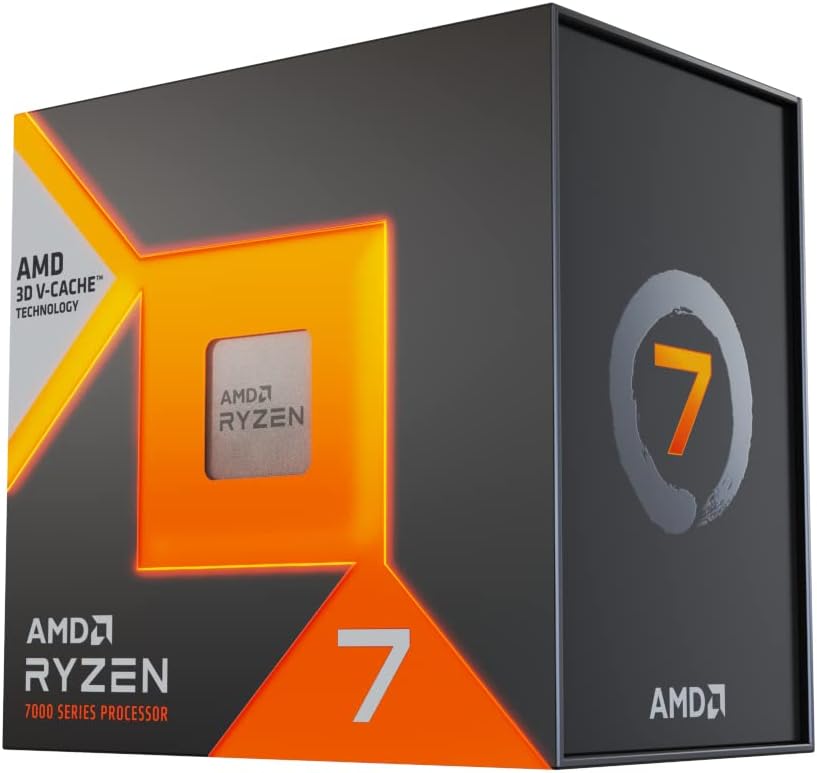
The AMD Ryzen 7 7800X3D is a desktop processor built specifically for gamers who demand the highest possible frame rates and the smoothest gameplay experience. It's an 8-core, 16-thread CPU based on AMD's Zen 4 architecture, but what sets it apart is the 3D V-Cache technology that stacks an extra 64MB of L3 cache on top of the standard 32MB, for a total of 96MB. This massive cache helps the CPU keep more game data close at hand, reducing the need to fetch data from slower system memory and dramatically improving performance in CPU-bound gaming scenarios.
This processor is best suited for PC gamers, competitive esports players, and streamers who want a no-compromise gaming experience. If you play fast-paced shooters like Valorant, Counter-Strike 2, or Rainbow Six Siege, the 7800X3D's cache helps maintain incredibly consistent frame times, even during intense firefights or when many objects are on screen. It also works well for casual gamers who enjoy open-world titles like Elden Ring or Cyberpunk 2077, where the extra cache can reduce stutter when loading new areas. Content creators who do light video editing or streaming alongside gaming will find the 8 cores and 16 threads sufficient, though heavy rendering workloads are better left to higher-core-count CPUs.
In real-world use, the 7800X3D delivers exceptional gaming responsiveness. User reviews consistently highlight how smooth and stutter-free games feel, with high 1% and 0.1% lows that keep gameplay fluid even when the action gets chaotic. The CPU runs surprisingly cool for its performance level, with many users reporting temperatures in the 60-75°C range under gaming load with a decent air cooler or AIO. This thermal efficiency means less fan noise and more headroom for your GPU to do its thing. The 4.2 GHz base clock and 5.0 GHz boost clock are more than enough for modern games, and the 5nm process keeps power draw reasonable.
Build quality is typical of AMD's Ryzen lineup: the processor itself is solid, and the IHS (integrated heat spreader) is flat for good thermal contact. Installation on an AM5 motherboard is straightforward, though you'll need to ensure your BIOS is updated for compatibility. The CPU supports DDR5 RAM, which is now widely available and offers good performance gains. Cable management is simplified because the CPU doesn't require any special power connectors beyond the standard motherboard power, and the AM5 socket's retention mechanism is easy to use. Software setup is minimal: just install the CPU, apply thermal paste, mount your cooler, and you're good to go. AMD's Ryzen Master utility can be used for monitoring and basic tuning, but most users won't need to tweak anything for excellent gaming performance.
One realistic limitation is that the 7800X3D isn't the best choice for pure productivity tasks like 3D rendering, video encoding, or scientific simulations. In those workloads, CPUs with more cores (like the Ryzen 9 7950X) will outperform it. Additionally, the integrated Radeon Graphics are basic and not suitable for gaming, so you'll need a dedicated graphics card. The price is also on the higher side, but for gamers who prioritize frame rates and smoothness, it's a worthwhile investment.
Overall, the AMD Ryzen 7 7800X3D is a fantastic choice for anyone building a gaming-focused PC. It offers best-in-class gaming performance, runs cool and quiet, and is easy to set up. If your primary use is gaming, and you want a CPU that will keep your system feeling snappy for years to come, this is one of the smartest purchases you can make. Pair it with a good B650 or X670 motherboard, fast DDR5 RAM, and a capable GPU, and you'll have a gaming rig that handles anything you throw at it.

Pros
- Exceptional gaming performance with massive L3 cache for reduced latency
- Significant IPC uplift over previous gen, boosting frame rates in CPU-bound titles
- Drop-in compatibility with Socket AM5 simplifies upgrades for existing users
- Improved thermal design allows higher sustained clock speeds under load
Cons
- Cooler not included, requiring separate purchase of an AM5-compatible cooler
- Premium pricing may be overkill for casual gamers or non-gaming workloads
- Limited to AM5 platform, requiring motherboard upgrade for AM4 users
The AMD Ryzen 7 9800X3D is a desktop processor designed specifically for PC gamers and performance enthusiasts who demand the absolute best in gaming performance. Built on AMD's latest Zen5 architecture and featuring next-generation 3D V-Cache technology, this CPU is marketed as the world's fastest gaming processor. With 8 cores and 16 threads, it's engineered to deliver exceptional responsiveness in both single-threaded and multi-threaded workloads, making it a strong choice for competitive esports players, streamers, and content creators who need reliable performance during intense gaming sessions or while multitasking with streaming software.
For gamers, the 9800X3D's key advantage lies in its massive 96MB L3 cache, which helps reduce memory latency and improve frame rates in CPU-intensive titles like first-person shooters, MOBAs, and open-world games. Users upgrading from previous generations can expect a noticeable uplift in gaming responsiveness, especially in scenarios where cache size matters. The processor also supports high-speed DDR5 memory and PCIe 5.0, ensuring compatibility with modern graphics cards and storage for a future-proof gaming setup. Its improved thermal performance allows for higher sustained clock speeds up to 5.2GHz, which can translate to smoother gameplay and lower input lag.
Build quality and practicality are typical of AMD's Ryzen lineup, with a focus on reliability and compatibility. The processor is drop-in ready for the Socket AM5 platform, meaning users with an existing AM5 motherboard can upgrade without needing a new board. However, it's important to note that a cooler is not included, so buyers will need to purchase an AM5-compatible air or liquid cooler separately. This adds to the overall cost but also gives users the flexibility to choose a cooling solution that fits their noise and performance preferences, whether for a quiet home office setup or a high-airflow gaming rig with RGB fans.
Setting up the 9800X3D is straightforward for anyone familiar with PC building. After installing the CPU into an AM5 motherboard, applying thermal paste, and mounting a cooler, users can update BIOS for optimal compatibility. The processor's power efficiency is a plus, as it generates less heat compared to some competing high-end CPUs, which can lead to lower fan noise and more comfortable long gaming sessions. For streamers and content creators, the 8-core/16-thread configuration provides enough muscle for encoding, editing, and running multiple applications simultaneously without stuttering.
One realistic limitation is that the 9800X3D's premium performance comes at a higher price point, which might not be necessary for casual gamers or those focused solely on productivity tasks like video editing that benefit more from higher core counts. Additionally, users on older AM4 platforms will need to invest in a new motherboard and potentially new DDR5 RAM, increasing the total upgrade cost. For those building a new gaming PC from scratch, however, this processor pairs excellently with high-end GPUs and fast memory to create a balanced, top-tier gaming machine.
In summary, the AMD Ryzen 7 9800X3D is a compelling choice for PC gamers, esports players, and streamers who want the fastest gaming performance available on the AM5 platform. Its combination of Zen5 architecture, large L3 cache, and efficient power usage makes it a strong contender for high-refresh-rate gaming and demanding multitasking. While the lack of an included cooler and premium pricing are factors to consider, users seeking a drop-in upgrade for their AM5 system or building a new high-performance gaming rig will find this processor delivers on its promise of exceptional gaming responsiveness.

Pros
- Spectacular gaming performance that rivals the dedicated 9800X3D in most titles.
- Blazing multi-core throughput for video rendering, compiling, and streaming workloads.
- Runs significantly cooler than top-tier Intel alternatives under sustained load.
- Rock-solid stability with PBO and undervolting options for fine-tuning.
- Excellent value for a CPU that excels in both gaming and productivity.
Cons
- High idle and load power draw compared to the 9800X3D, especially with PBO enabled.
- Requires a robust cooling solution (360mm AIO recommended) to keep temps in check.
- Premium price may not justify upgrade if you only game and don't need the extra cores.
The AMD Ryzen 9 9950X3D is a desktop processor that straddles the line between hardcore gaming and serious content creation. With 16 cores and 32 threads based on the Zen 5 architecture, it pairs AMD's second-generation 3D V-Cache technology (stacking extra L3 cache) with high clock speeds up to 5.7 GHz. This CPU is designed for PC gamers who also stream, edit 4K video, or compile code. It's also a solid pick for gaming setup builders who want a single powerhouse that handles everything without compromise.
In real-world use, the 9950X3D delivers top-tier gaming responsiveness. User feedback indicates its gaming frame rates are nearly identical to the gaming-focused 9800X3D, yet it crushes productivity tasks by being roughly 75% faster in multi-threaded workloads. For esports players and competitive gamers, that means buttery-smooth 1080p high-refresh-rate gaming with low latency. For streamers and content creators, it translates to faster rendering times and smoother multitasking while broadcasting in 4K. Casual gamers will appreciate the effortless performance even in older titles, though they may find the cost hard to justify without productivity needs.
Build quality is typical AMD - reliable, well-packaged, and compatible with the AM5 socket. The CPU runs hot under full load, hitting up to 78C with a 360mm AIO according to reviewers, but stays reasonable around 60-65C during gaming. Power spikes can exceed 240W, so a strong motherboard with good VRM cooling and a high-end cooler are essential. The chip features Precision Boost Overdrive for easy overclocking, and many users report safe undervolts of 15-30mV to improve thermals without losing stability. It also supports up to 256GB of DDR5 RAM, though running four DIMMs may limit memory speeds - a consideration for memory-heavy workstation tasks.
Setup is straightforward for anyone familiar with building PCs: drop it into an AM5 board, apply thermal paste, mount a cooler, and update the chipset drivers to ensure the 3D V-Cache cores are correctly prioritized for gaming. The box includes only the processor, so you'll need a separate cooler. Cable management is unaffected, but you'll want good airflow in your case to keep the CPU and VRM cool. Maintenance is simple - dust your cooler periodically and reapply thermal paste every couple of years.
A realistic limitation is the price: at $669, it's $250 more than the 9800X3D, and for pure gaming at 4K, the difference may vanish depending on your GPU. Another reviewer noted that at 4K their 14600K performed similarly, cautioning that high-resolution gaming is often GPU-bottlenecked. Also, the CPU's higher power draw means your electricity bill and cooling system will feel the strain. For those building a 'monster PC' used for both gaming and serious work, however, there's no better AMD choice aside from the 9800X3D for pure gaming.
Overall, the Ryzen 9 9950X3D is a compelling buy for U.S. gaming PC buyers who need a jack-of-all-trades CPU. Streamers, content creators, and competitive gamers who multitask heavily will see the most benefit. Casual gamers or those on a tighter budget should look at the 9800X3D instead. If you're building a dream setup for a home office, dorm room, or RGB-rich esports station and you demand top performance in everything, this processor delivers without compromise.

Pros
- Exceptional gaming performance with 3D V-Cache and high clock speeds.
- Solid power delivery and thermal design for stable overclocking.
- Easy installation with tool-less M.2 and PCIe clips.
- Modern connectivity including Wi-Fi 6E and DDR5 support.
- Great value bundle for building a high-end gaming PC.
Cons
- Cooler not included; a liquid cooler is recommended for optimal performance.
- Motherboard only supports PCIe 4.0 x16 for GPU, not PCIe 5.0.
- Limited to Windows 11 64-bit for full feature support.
The Micro Center AMD Ryzen 7 7800X3D CPU with MSI B850 Gaming PRO WIFI6E Motherboard bundle is a powerhouse combination designed for serious PC gamers and gaming setup builders. At its core, the Ryzen 7 7800X3D leverages AMD's 3D V-Cache technology, stacking an extra 64MB of L3 cache for a total of 104MB. This translates to lower latency and higher frame rates in CPU-intensive games, making it a top choice for competitive esports titles like Valorant or CS2, as well as demanding open-world adventures.
Paired with the MSI B850 Gaming PRO motherboard, this bundle offers a robust foundation for a high-performance gaming PC. The board features a 12+2 Duet Rail power system with 55A DrMOS, ensuring stable power delivery even under heavy loads. It supports DDR5 memory up to 8200+ MT/s (OC), which is crucial for fast data access and smooth multitasking during streaming or content creation. The inclusion of Wi-Fi 6E and Bluetooth 5.3 provides low-latency wireless connectivity, ideal for online gaming and connecting peripherals without cable clutter.
Build quality is a strong point here. The motherboard uses a 6-layer PCB with 2oz thickened copper, enhancing durability and signal integrity. The Frozr Guard cooling solution includes extended heatsinks and high-performance thermal pads, keeping the VRMs and M.2 drives cool during long gaming sessions. The EZ DIY features, such as tool-less M.2 and PCIe clips, make installation straightforward for both first-time builders and experienced enthusiasts. The Audio Boost technology delivers clear, immersive sound, which is a plus for gamers who rely on audio cues in competitive play.
In terms of real-world performance, this bundle excels in gaming responsiveness. The 7800X3D's 8 cores and 16 threads, combined with its 5.0 GHz boost clock, handle modern games with ease. The 104MB cache reduces memory latency, resulting in snappier gameplay and higher minimum frame rates. For streamers, the CPU's efficiency allows for smooth encoding while gaming, though a dedicated GPU is still recommended for heavy workloads. The motherboard's dual M.2 slots (one PCIe 5.0, one PCIe 4.0) offer fast storage options, reducing load times in games and applications.
However, there are a few limitations to consider. The CPU does not include a cooler, and AMD recommends a liquid cooler for optimal thermal performance, which adds to the overall cost. The motherboard's primary GPU slot is PCIe 4.0 x16, not PCIe 5.0, though this is unlikely to bottleneck current graphics cards. Additionally, full feature support requires Windows 11 64-bit, which may be a consideration for users still on Windows 10. The bundle is priced at a premium, but it offers excellent value for those building a high-end gaming rig.
Overall, this bundle is best suited for PC gamers, esports players, and gaming setup builders who want top-tier gaming performance without compromise. It's also a solid choice for streamers and content creators who need a reliable, high-performance platform. While it requires an investment in cooling and a compatible GPU, the combination of the Ryzen 7 7800X3D and MSI B850 Gaming PRO motherboard delivers a responsive, future-ready foundation for any gaming PC build.


Frequently Asked Questions
Does the Best Gaming Cpu Ryzen 7 7800x3d require a liquid AIO cooler for stable temperatures?
No, a quality dual-tower air cooler handles this processor effectively. The 120W TDP design remains energy efficient compared to competing high-end desktop chips. A dual-tower heatsink with five or six heatpipes easily keeps operating temperatures below the 89°C thermal throttle ceiling during heavy gaming sessions. Liquid coolers like 240mm or 360mm AIO units offer extra thermal headroom and quieter fan profiles, but they are not strictly required for daily stability.
What is the optimal DDR5 memory speed for the Best Gaming Cpu Ryzen 7 7800x3d in 2026?
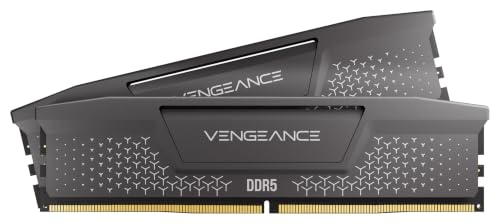
DDR5-6000 with a low CAS latency of CL30 represents the performance sweet spot. AMD’s memory controller runs in a 1:1 ratio with the internal memory clock at this frequency, ensuring minimal system latency. Pushing speeds up to DDR5-6400 or higher often forces a 1:2 divider, which can actually increase memory latency and hurt game frame pacing. Choosing a 32GB kit of DDR5-6000 with AMD EXPO profile support ensures one-click stability on any modern AM5 motherboard.
Can you run the Best Gaming Cpu Ryzen 7 7800x3d on an older AM4 motherboard?
No, this processor requires a modern Socket AM5 motherboard with DDR5 memory support. The Zen 4 platform uses an LGA 1718 pin arrangement that is physically incompatible with older AM4 boards. Users evaluating an AMD Ryzen 9 5900X processor upgrade will find that the specialized 3D V-Cache on newer AM5 chips delivers far superior frame consistency, but migrating requires an AM5 board and new DDR5 RAM modules. Solid B650 or B850 motherboards provide sufficient VRM cooling and PCIe 4.0 or 5.0 lanes without needing expensive flagship chipsets.
What power supply wattage is recommended for a Best Gaming Cpu Ryzen 7 7800x3d build?
A continuous 750W to 850W 80 Plus Gold power supply is ideal for most gaming builds. While the processor itself pulls modest wattage under load, modern discrete graphics cards can produce demanding transient power spikes. Pairing this chip with an enthusiast GPU like an RTX 4080 or RX 7900 XT requires sufficient power supply headroom to prevent unexpected shutdowns. Selecting an ATX 3.0 compatible unit also provides native 12VHPWR cable routing for clean aesthetics and safe power delivery.
Does the massive 3D V-Cache benefit simulation and esports titles?
Yes, physics-intensive and simulation titles show dramatic frame rate improvements from the 96MB L3 cache. Games that execute thousands of calculations every frame constantly pull data from memory, which causes micro-stutter when cache fills up. Heavy modded simulation setups, such as those found on the best gaming desktop for Minecraft, experience far smoother minimum frame rates and reduced draw call bottlenecks. Competitive shooters also benefit from higher 1% low frame rates, keeping input latency consistently low.
Is the Best Gaming Cpu Ryzen 7 7800x3d worth buying over standard non-X3D processors in 2026?
Yes, dedicated gamers achieve significantly smoother frame pacing with this stacked cache processor. Standard non-X3D alternatives may offer higher clock frequencies for multi-threaded rendering workloads, but they lack the enormous cache reserve that modern gaming engines crave. The lower operating temperatures and balanced power draw make it one of the most cost-effective performance upgrades available on the AM5 platform. Unless your daily routine centers entirely around heavy 3D rendering or video transcoding, the 3D V-Cache architecture delivers the most rewarding gaming experience.




Write Your Review
No reviews yet. Be the first to share your experience!