

Reliable Computing for Rigorous Academic Schedules
Medical training requires dependable mobile hardware that can keep pace with long clinical shifts, dense pathology slides, and constant research. Selecting entry-level laptops for medical students involves balancing strict budget limits against the processing capability needed for continuous multitasking. While students who also play games during study breaks might consider a budget gaming laptop with an RTX 4050, standard school tasks center on battery endurance, portability, and reliable software compatibility for Office suites and digital examination portals.
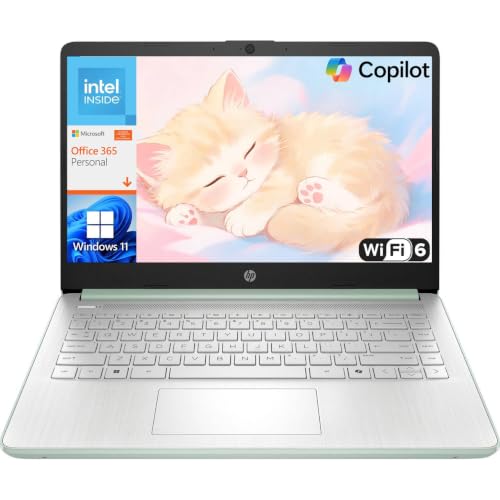
Available options in this price segment, including the HP 2026 Ultrabook Laptop for Home Students and the Windows 11 Laptop with i3 Processor 15.6″ Work, reveal noticeable differences in system memory and screen dimensions. While models equipped with 4GB of RAM handle routine word processing, 8GB configurations offer smoother operation when reviewing digital flashcards alongside recorded lectures. Considering internal storage capacity and external expansion options is equally critical, ensuring your computer maintains enough space for local clinical files throughout your demanding medical semesters.




Frequently Asked Questions
How much RAM is needed in Laptops For Medical Students?
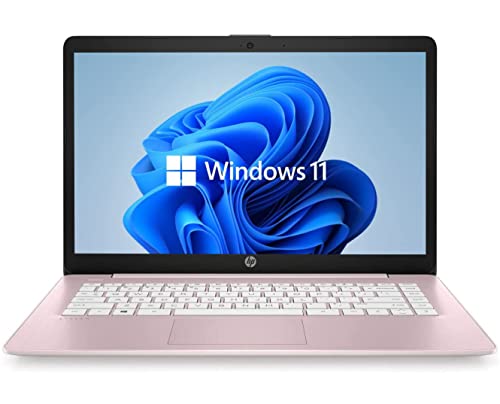
A minimum of 8GB of RAM is ideal for medical coursework. While 4GB models like the HP 14″ Laptop 2026 Edition, Intel Processor handle basic document editing, they can lag during heavy browser research. Units with 8GB of RAM, such as the HP 2026 Ultrabook Laptop for Home Students, allow smoother multitasking across digital textbooks and video lectures.
Is a 14-inch or 15.6-inch display better for medical school?
Display choice depends on whether you value travel mobility or visual workspace. A 14-inch laptop fits easily into daily clinical bags and lecture hall desks. A 15.6-inch model, like the drkako 15.6″ FHD IPS Student Laptop, provides wider viewing space for reading medical charts and split-screen note-taking.
Do medical students need a dedicated graphics card?
No, medical school coursework does not require a dedicated GPU. Integrated graphics efficiently handle lecture playback, medical imaging viewers, and web-based study tools. If you also plan to play modern video games in 2026, you might instead consider a gaming laptop with a 144Hz display for smooth visuals.
How much storage space is recommended for medical study materials?
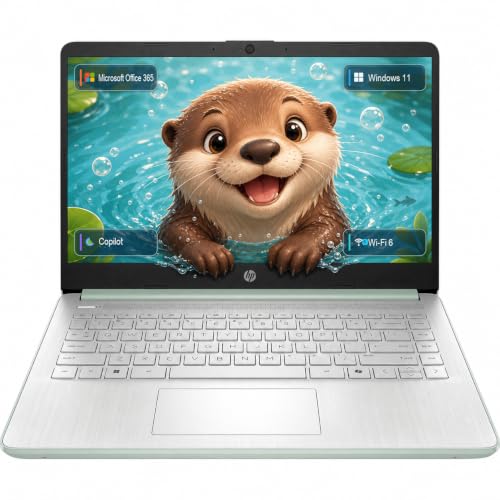
At least 128GB of internal storage is recommended for standard academic files. Windows 11 and core applications occupy significant baseline storage, leaving limited free space on smaller drives. Devices like the HP 14″ Laptop Computer for 2026 Student Business, which pairs built-in flash storage with expanded media, simplify storing extensive offline recordings.
Can entry-level laptops run medical examination software?
Yes, most budget machines running full Windows 11 support standard exam programs. Software such as ExamSoft and web-based proctoring suites require an operational webcam and modern operating system updates. Checking your program’s specific testing requirements beforehand confirms that the device meets every security guideline.


Write Your Review
No reviews yet. Be the first to share your experience!