


Smooth frame pacing and consistent minimum frame rates determine how responsive modern PC games feel during intense multiplayer matches. Hardware builders frequently encounter the fundamental dilemma of whether is amd or intel better for gaming when assembling a new desktop or refreshing an aging build. Both processor manufacturers design competitive desktop architectures, yet each platform balances single-thread clock frequencies, L3 cache sizing, and power efficiency differently. Budget-conscious builders weighing hardware choices can consult an entry-level gaming CPU guide to gauge how foundational components perform before committing to high-tier hardware.
Evaluating processors requires looking beyond peak boost clocks to consider how game engines handle memory latency, background encoding, and instruction throughput. AMD leans heavily into stacked 3D V-Cache technology and extended socket longevity on AM5, while Intel leverages hybrid architectures featuring high-frequency Performance cores paired with Efficient cores. Your target display resolution, graphics card pairing, and multitasking habits dictate which silicon family delivers the best real-world gaming experience. Understanding these hardware nuances ensures your gaming rig avoids severe CPU bottlenecks and remains stable during long gaming sessions.

Pros
- Excellent single-core and gaming performance for the price
- Power-efficient 65W TDP with included cooler keeps temperatures manageable
- Unlocked multiplier allows easy overclocking for extra speed
- Wide AM4 motherboard compatibility with upgrade path options
Cons
- Stock cooler is adequate but may limit overclocking headroom under heavy loads
- 6 cores may be limiting for heavy multi-threaded workloads like 4K video rendering
- Requires a dedicated GPU for gaming as no integrated graphics
The AMD Ryzen 5 5600X is a 6-core, 12-thread unlocked desktop processor built on the Zen 3 architecture. It's designed for PC gamers, competitive esports players, streamers, content creators, and gaming setup builders who want a high-performance CPU without breaking the bank. With a 3.7 GHz base clock and 4.6 GHz max boost, this chip delivers snappy responsiveness and smooth frame rates in today's most demanding titles.
In real-world gaming, the 5600X excels at both 1080p and 1440p resolutions. Pair it with a mid-range GPU like an RTX 3060 Ti or RX 6700 XT, and you'll see well over 100 FPS in popular shooters, MOBAs, and open-world games. The single-core performance is among the best in its class, which translates to low input latency and consistent frame pacing - critical for competitive play. For streamers, the 12 threads handle game encoding and Discord calls simultaneously without stuttering.
Build quality is solid with AMD's reliable manufacturing. The included Wraith Stealth cooler is quiet and keeps temperatures under 75°C under stock loads, though overclockers may want an aftermarket cooler for lower noise and headroom. The 65W TDP means it runs cool even in smaller cases, making it a great fit for compact gaming builds. The AM4 socket ensures broad motherboard compatibility, including budget B450 boards after a BIOS update, and PCIe 4.0 support on X570/B550 for fast SSDs and GPUs.
Setup is straightforward: drop it into an AM4 motherboard, apply thermal paste (pre-applied on stock cooler), and you're ready. The stock cooler's push-pin mechanism is easy to install, though cable management around the CPU area is minimal. Overclocking via Ryzen Master is user-friendly, but the stock cooler limits aggressive voltage increases. For most gamers, stock performance is more than enough.
One limitation is the lack of integrated graphics - you'll need a dedicated GPU for display output. Also, while 6 cores are great for gaming, heavy multitaskers or those doing 4K video editing may want an 8-core option. But for its price, the 5600X offers incredible value for gaming-focused builds.
Overall, the AMD Ryzen 5 5600X is a top recommendation for PC gamers building a mid-range rig. It balances performance, efficiency, and cost perfectly, making it ideal for competitive gamers, casual players, streamers, and anyone assembling a gaming PC for 1080p or 1440p gaming. If you want a reliable, fast CPU that won't bottleneck modern GPUs, this is a smart choice.
The Ryzen 5 5600X delivers exceptional gaming performance thanks to its Zen 3 architecture. In CPU-bound titles like CS:GO, Valorant, and Fortnite, it easily pushes over 200 FPS at competitive settings. For AAA games like Cyberpunk 2077 or Shadow of the Tomb Raider, expect 90-140 FPS at 1080p Ultra with a mid-range GPU. The 4.6 GHz boost clock ensures low latency and smooth gameplay even in crowded scenes. It's an ideal match for 1440p gaming, where the GPU is often the bottleneck, providing consistent frame times without stuttering.
AMD's build quality is reliable, with the 5600X featuring a robust IHS and durable construction. The included Wraith Stealth cooler is adequate for stock operation, but enthusiasts may upgrade to a tower cooler for lower temperatures. The CPU is compatible with a wide range of AM4 motherboards, including B450, B550, and X570 chipsets. PCIe 4.0 support on B550/X570 allows for faster NVMe SSDs and future-proofing. The 65W TDP makes it easy to cool in small form factor cases, and the unlocked multiplier lets you squeeze out extra performance with proper cooling.
At its price point, the Ryzen 5 5600X offers unbeatable value for gaming-focused builds. It outperforms similarly priced Intel alternatives in single-core tasks while consuming less power. The included cooler saves additional cost, and the AM4 platform provides an upgrade path to Ryzen 5000 series or even 4000 series APUs. For gamers on a budget who still want high FPS and smooth multitasking, this CPU is a no-brainer. It's also a great choice for college gamers or anyone building a compact gaming PC for dorm rooms or home offices.

Pros
- Excellent overclocking headroom with hand-screened ICs and eight-layer PCB
- Low-profile design avoids clearance issues with large air coolers or small cases
- Efficient aluminum heatspreader keeps temperatures in check during long gaming sessions
- Broad compatibility tested on Intel 300-500 series and AMD DDR4 motherboards
- XMP 2.0 makes setup effortless for instant 3200MHz performance
Cons
- No RGB lighting, which may disappoint gamers seeking customizable aesthetics
- Premium pricing compared to some budget DDR4 kits with similar specs
- CL16 timings are decent but not the tightest available for extreme overclockers
The Corsair Vengeance LPX 32GB (2x16GB) DDR4 3200MHz kit is a high-performance memory solution tailored for PC gamers, esports competitors, streamers, and content creators who demand reliable speed and stability. This kit uses hand-sorted integrated circuits on a custom eight-layer PCB, ensuring consistent signal quality and generous overclocking headroom. Whether you are building a new gaming rig or upgrading an existing DDR4 system, this RAM is designed to keep up with the latest games and multitasking demands.
For competitive gamers and streamers, low latency and fast data transfer are crucial. The 3200MHz speed at CL16-20-20-38 offers a solid balance of responsiveness and bandwidth, reducing load times and improving frame pacing in CPU-bound scenarios. The low-profile 34mm height is a standout feature - it fits comfortably under large air coolers and in compact cases, making it a versatile choice for both full-tower and small-form-factor builds. The pure aluminum heatspreader effectively pulls heat away from the memory chips, keeping temperatures manageable during marathon gaming sessions or heavy rendering tasks.
Build quality is impressive. Corsair's rigorous compatibility testing covers a wide range of Intel and AMD motherboards, so you can expect hassle-free installation. The XMP 2.0 profile allows for one-click overclocking to the rated speed, which is especially convenient for gamers who want peak performance without manual voltage or timing adjustments. The eight-layer PCB also contributes to superior overclocking stability, meaning you can push the kit further if your CPU and motherboard allow.
Setup is straightforward - install the modules in the correct DIMM slots, enable XMP in the BIOS, and you are ready to game. The black heatspreaders blend into most builds, though Corsair also offers other colors if you want to coordinate your system's theme. One realistic limitation is the lack of RGB lighting; if you are building a flashy RGB showcase, this kit may not satisfy that desire. However, for performance-focused builders and those with limited space, the trade-off is worth it.
In practical use, this RAM excels in games like Call of Duty, Fortnite, and demanding open-world titles where high memory bandwidth reduces stutter. It also handles streaming and video editing well, allowing for smooth multitasking between OBS, Discord, and a game. The 32GB capacity provides headroom for future game requirements and heavy mods.
Overall, the Corsair Vengeance LPX 32GB DDR4 3200MHz kit is a reliable, high-performance upgrade for PC gamers and streamers who prioritize speed, stability, and compatibility over flashy aesthetics. It works well in esports rigs, casual gaming setups, and content creation workstations. If you need a straightforward, tested memory kit that delivers consistent performance without clearance issues, this is a strong choice.

Pros
- Excellent gaming performance with high frame rates in AAA titles
- Very low power draw and thermals, runs cool with standard air cooler
- Unlocked multiplier and PBO support for easy overclocking
- Great value for a balanced gaming and productivity CPU
Cons
- No cooler included, requires separate purchase for operation
- Requires an AM5 motherboard and DDR5 RAM, increasing overall build cost
- Not the absolute best for pure gaming; 9800X3D offers higher frame rates at higher price
The AMD Ryzen 7 9700X is an 8-core, 16-thread unlocked desktop processor built on the new Zen 5 architecture. It sits in AMD's 9000 series lineup, offering a compelling balance of gaming performance and multitasking capability for PC gamers, streamers, content creators, and gaming setup builders. With a 5.5 GHz max boost clock and 40 MB cache, it handles modern titles and demanding workloads without breaking a sweat.
Targeting both competitive and casual gamers, the 9700X delivers consistent high frame rates in titles like Call of Duty, Cyberpunk 2077, and Fortnite. Users report stable 100+ FPS performance at 1440p, and even at 4K the processor keeps pace with high-end GPUs. For esports players, the low-latency responsiveness and efficient architecture ensure smooth gameplay without stuttering. Streamers will appreciate the 8 cores handling encoding while gaming, though a dedicated GPU is recommended for heavy streaming setups.
One of the biggest selling points is its low 65W TDP. The processor runs exceptionally cool compared to previous generations and Intel alternatives. Many builders use a budget-friendly air cooler like the Thermalright Peerless Assassin and see idle temps around 50°C and load temps staying under 85°C. This makes it ideal for compact builds, dorm room gaming setups, or anyone wanting a quiet, efficient rig. Overclocking via PBO can squeeze out extra performance, and users report stable 5.38 GHz all-core speeds with adequate cooling.
Build quality is typical AMD - solid construction and reliable packaging. The processor itself is a standard LGA1718 (Socket AM5) chip with gold contact pads. Installation is straightforward: align the triangle, drop it in, secure the lever, and apply thermal paste. The lack of an included cooler is a minor inconvenience, but many enthusiasts prefer to choose their own cooling solution anyway. Cable management is not affected directly, but the lower power draw means less heat output, which can help airflow in tight cases.
On the compatibility front, the 9700X requires an AM5 motherboard with a 600-series chipset (like B650 or X670) and DDR5 RAM. This means a full platform upgrade if you're coming from AM4. BIOS updates may be necessary for older boards, as some early units needed an AGESA update to fix thermal spikes. Once updated, the CPU runs flawlessly. PCIe 5.0 support ensures future-proof connectivity for GPUs and NVMe SSDs.
Limitations are few but worth noting. The 9700X is not the absolute gaming king; the 9800X3D offers higher frame rates in CPU-bound scenarios, especially at 1080p. If your budget is tight, the Ryzen 5 9600X provides nearly identical gaming performance for less. For gamers focusing on 1440p or 4K, the 9700X is a smart buy that leaves room for a better GPU. Overall, if you want a cool, efficient, and powerful processor for gaming, streaming, and daily productivity, the Ryzen 7 9700X is hard to beat at its price point.
Based on user reviews and product specs, the Ryzen 7 9700X delivers excellent gaming performance across a wide range of titles. It hits 100+ FPS in popular competitive games like Overwatch 2 and Valorant, while demanding AAA games like Cyberpunk 2077 and Starfield run smoothly at high settings. The Zen 5 architecture improves instruction-per-clock efficiency, resulting in snappy input response and low latency. For esports players, the combination of high clock speeds and low TDP means consistent frame rates without thermal throttling. At 4K, the GPU becomes the main bottleneck, but the 9700X keeps up with RTX 4080-class cards without bottlenecking. Overclocking with PBO can add 5-10% extra performance in CPU-intensive scenes.
The standout feature of the 9700X is its 65W TDP, which makes cooling remarkably easy. Users report that a simple air cooler like the Thermalright Peerless Assassin keeps temperatures below 85°C even under full load. Idle temps hover around 50°C, which is normal for Zen 5 chips. The low power draw also means less heat dumped into the case, improving overall system airflow. This CPU is ideal for small form factor builds or quiet gaming PCs. Even during extended gaming sessions, the processor maintains stable clocks without throttling. For those who want to overclock, a 240mm AIO liquid cooler is more than enough to handle higher voltages. The efficiency also translates to lower electricity bills and less strain on your power supply.

Pros
- Exceptional gaming performance with massive L3 cache for reduced latency
- Significant IPC uplift over previous gen, boosting frame rates in CPU-bound titles
- Drop-in compatibility with Socket AM5 simplifies upgrades for existing users
- Improved thermal design allows higher sustained clock speeds under load
Cons
- Cooler not included, requiring separate purchase of an AM5-compatible cooler
- Premium pricing may be overkill for casual gamers or non-gaming workloads
- Limited to AM5 platform, requiring motherboard upgrade for AM4 users
The AMD Ryzen 7 9800X3D is a desktop processor designed specifically for PC gamers and performance enthusiasts who demand the absolute best in gaming performance. Built on AMD's latest Zen5 architecture and featuring next-generation 3D V-Cache technology, this CPU is marketed as the world's fastest gaming processor. With 8 cores and 16 threads, it's engineered to deliver exceptional responsiveness in both single-threaded and multi-threaded workloads, making it a strong choice for competitive esports players, streamers, and content creators who need reliable performance during intense gaming sessions or while multitasking with streaming software.
For gamers, the 9800X3D's key advantage lies in its massive 96MB L3 cache, which helps reduce memory latency and improve frame rates in CPU-intensive titles like first-person shooters, MOBAs, and open-world games. Users upgrading from previous generations can expect a noticeable uplift in gaming responsiveness, especially in scenarios where cache size matters. The processor also supports high-speed DDR5 memory and PCIe 5.0, ensuring compatibility with modern graphics cards and storage for a future-proof gaming setup. Its improved thermal performance allows for higher sustained clock speeds up to 5.2GHz, which can translate to smoother gameplay and lower input lag.
Build quality and practicality are typical of AMD's Ryzen lineup, with a focus on reliability and compatibility. The processor is drop-in ready for the Socket AM5 platform, meaning users with an existing AM5 motherboard can upgrade without needing a new board. However, it's important to note that a cooler is not included, so buyers will need to purchase an AM5-compatible air or liquid cooler separately. This adds to the overall cost but also gives users the flexibility to choose a cooling solution that fits their noise and performance preferences, whether for a quiet home office setup or a high-airflow gaming rig with RGB fans.
Setting up the 9800X3D is straightforward for anyone familiar with PC building. After installing the CPU into an AM5 motherboard, applying thermal paste, and mounting a cooler, users can update BIOS for optimal compatibility. The processor's power efficiency is a plus, as it generates less heat compared to some competing high-end CPUs, which can lead to lower fan noise and more comfortable long gaming sessions. For streamers and content creators, the 8-core/16-thread configuration provides enough muscle for encoding, editing, and running multiple applications simultaneously without stuttering.
One realistic limitation is that the 9800X3D's premium performance comes at a higher price point, which might not be necessary for casual gamers or those focused solely on productivity tasks like video editing that benefit more from higher core counts. Additionally, users on older AM4 platforms will need to invest in a new motherboard and potentially new DDR5 RAM, increasing the total upgrade cost. For those building a new gaming PC from scratch, however, this processor pairs excellently with high-end GPUs and fast memory to create a balanced, top-tier gaming machine.
In summary, the AMD Ryzen 7 9800X3D is a compelling choice for PC gamers, esports players, and streamers who want the fastest gaming performance available on the AM5 platform. Its combination of Zen5 architecture, large L3 cache, and efficient power usage makes it a strong contender for high-refresh-rate gaming and demanding multitasking. While the lack of an included cooler and premium pricing are factors to consider, users seeking a drop-in upgrade for their AM5 system or building a new high-performance gaming rig will find this processor delivers on its promise of exceptional gaming responsiveness.

Pros
- Exceptional gaming performance with 3D V-Cache, especially in simulation and open-world titles
- Strong multi-core throughput for video editing, rendering, and streaming
- Runs cooler and more efficiently than previous-gen high-core-count CPUs
- Great value for a 12-core processor with gaming-focused cache architecture
- No stability issues reported by users, with many praising its reliability
Cons
- Requires a quality aftermarket cooler for sustained heavy workloads
- Not as gaming-focused as the 9800X3D if pure FPS is the only priority
- Premium pricing compared to non-3D V-Cache alternatives
The AMD Ryzen 9 9900X3D is a 12-core, 24-thread desktop processor built on the AM5 platform, featuring second-generation 3D V-Cache technology. It's designed for gamers, streamers, and content creators who need both high core counts for productivity and the cache-heavy architecture that boosts gaming performance in CPU-bound scenarios. With a 4.4 GHz base clock and boost speeds reaching higher under load, this chip sits between the pure gaming-focused 9800X3D and the productivity-oriented 9950X.
For competitive gamers and esports enthusiasts, the 9900X3D delivers low-latency responsiveness in fast-paced titles like Valorant, CS2, and Apex Legends. The extra L3 cache helps reduce frame-time stutters in simulation and open-world games, making it a strong choice for anyone who wants consistent high FPS without micro-stutters. Streamers will appreciate the headroom for encoding while gaming, and content creators working with video editing or 3D rendering will find the 12 cores handle multi-threaded tasks efficiently.
Build quality is solid, and the chip runs within expected thermal ranges when paired with a good air or liquid cooler. It fits into any AM5 motherboard with a B650 or X670 chipset, and installation is straightforward. The processor does not include a stock cooler, so budget for a capable aftermarket solution. Users report stable operation out of the box with no crashes or errors, and the CPU works well with DDR5 memory kits.
In terms of real-world usability, the 9900X3D shines in gaming setups where you want to push high refresh rates at 1440p or 4K without bottlenecking a powerful GPU. It also handles multitasking like running Discord, OBS, and a game simultaneously without stuttering. For desk setup enthusiasts, this CPU integrates cleanly into any AM5 build and supports all modern connectivity standards.
One realistic limitation is that if your primary focus is pure gaming at 1080p with max FPS, the 9800X3D may deliver slightly better frame rates in some titles due to its optimized single-CCD layout. However, the 9900X3D makes up for it with extra cores for streaming and production work. It's not a budget option, but for users who need both gaming and workstation performance, it offers strong value.
Overall, the Ryzen 9 9900X3D is a versatile high-end processor that fits well into a premium gaming PC build. It's especially recommended for PC gamers who stream, content creators who game, and anyone building a future-proof AM5 system that needs excellent multi-threaded performance without sacrificing gaming responsiveness.
The Ryzen 9 9900X3D leverages AMD's second-generation 3D V-Cache to deliver exceptional gaming performance in CPU-bound titles. In games like Cyberpunk 2077, Microsoft Flight Simulator, and Civilization VI, the extra cache reduces latency and improves minimum frame rates, resulting in smoother gameplay. For competitive shooters like Valorant and Overwatch 2, the chip maintains high average FPS even while streaming or running background apps. The 12-core setup also ensures that newer games utilizing more threads run without stutter.
When paired with a high-end GPU like an RTX 5080 or RX 9070 XT, the 9900X3D provides a balanced platform for 1440p and 4K gaming. It also handles ray tracing workloads well, as the CPU does not bottleneck modern graphics cards. Users looking for a CPU that can game and stream from a single PC will find this processor handles both tasks with minimal frame drop.
With 12 cores and 24 threads, the 9900X3D is a strong performer for productivity tasks like video editing in DaVinci Resolve or Premiere Pro, 3D rendering in Blender, and compiling code. The 3D V-Cache also benefits certain creative applications that rely on large cache access, such as physics simulations and data analysis. For streamers, the extra cores allow you to run OBS with x264 encoding at high quality while keeping game performance smooth.
Compared to Intel's competing 13th and 14th Gen i7 and i9 processors, the 9900X3D offers competitive multi-threaded performance with better power efficiency and thermal characteristics. It's a strong choice for a workstation that also doubles as a gaming rig, especially if you're building a compact system where heat output matters. Just note that some productivity applications still favor Intel's architecture, so check benchmarks for your specific software.


Pros
- Exceptional multi-core performance for streaming, rendering, and heavy workloads
- High boost clock (4.9 GHz) delivers smooth gaming at 1440p and 4K resolutions
- Great value for AM4 platform users looking to extend their system's lifespan
- Supports PCIe 4.0 for next-gen graphics and storage speeds
- Eco-mode option reduces power and heat while retaining most performance
Cons
- Cooler not included, requiring a high-end air or liquid cooler for optimal temps
- Not the fastest for pure gaming compared to newer X3D chips like the 5800X3D
- Runs hot under full load without proper cooling, which may add to overall build cost
The AMD Ryzen 9 5950X is a 16-core, 32-thread desktop processor designed for PC gamers, streamers, content creators, and gaming setup builders who demand top-tier performance. As part of the Ryzen 5000 series, it uses the Zen 3 architecture to deliver a balance of high clock speeds and multi-core muscle, making it a go-to choice for anyone building a high-end gaming PC or upgrading an existing AM4 system.
For competitive gamers and esports players, the 5950X offers a 4.9 GHz max boost clock that can push frame rates past 100 FPS in popular titles, ensuring smooth gameplay with low latency. Casual gamers and streamers will appreciate its ability to handle Discord, browser tabs, and game streaming simultaneously without stuttering. Content creators working with video editing, 3D rendering, or software compilation will find the 16 cores and 32 threads a massive productivity boost, cutting render times significantly compared to lower-core CPUs.
Build quality is solid, with AMD's reputation for reliable silicon. The processor supports PCIe 4.0 on X570 and B550 motherboards, allowing for faster GPU data transfer and NVMe SSD speeds, which reduces load times in open-world games and large projects. Its unlocked multiplier means you can overclock for extra performance, though you'll need a capable cooling solution since the CPU runs hot under load. User feedback notes that a double-tower air cooler like the Thermalright Peerless Assassin 120 or a 240mm liquid cooler keeps temps in check during gaming, with idle temperatures around 38-45°C and full load staying under 85°C.
Setup is straightforward if you have a compatible AM4 motherboard (B450, B550, X570) with an updated BIOS. The processor fits easily into the socket, and thermal paste application is standard. However, the package does not include a cooler, so you'll need to budget for one. Cable management is simplified by the CPU's single-chip design, but you'll still want to route fan and pump cables neatly for good airflow in your gaming desk setup.
One realistic limitation is that for pure gaming, newer X3D chips like the Ryzen 7 5800X3D offer better frame rates at a lower price due to extra cache. The 5950X shines as an all-rounder, but if gaming is your only focus, you might get more value from those alternatives. Additionally, the processor runs hot, so a high-quality cooler is essential to maintain performance and longevity, which adds to overall build cost.
Overall, the AMD Ryzen 9 5950X is a fantastic choice for PC gamers who also stream, create content, or run heavy multitasking workloads. It's ideal for upgrading an older Ryzen system to extend its life by several years, especially for users on a budget who want to avoid a full AM5 platform swap. If you're building a new gaming PC from scratch and need versatility, this CPU delivers excellent performance for the price, making it a smart investment for any serious gaming setup.

Pros
- Spectacular gaming performance that rivals the dedicated 9800X3D in most titles.
- Blazing multi-core throughput for video rendering, compiling, and streaming workloads.
- Runs significantly cooler than top-tier Intel alternatives under sustained load.
- Rock-solid stability with PBO and undervolting options for fine-tuning.
- Excellent value for a CPU that excels in both gaming and productivity.
Cons
- High idle and load power draw compared to the 9800X3D, especially with PBO enabled.
- Requires a robust cooling solution (360mm AIO recommended) to keep temps in check.
- Premium price may not justify upgrade if you only game and don't need the extra cores.
The AMD Ryzen 9 9950X3D is a desktop processor that straddles the line between hardcore gaming and serious content creation. With 16 cores and 32 threads based on the Zen 5 architecture, it pairs AMD's second-generation 3D V-Cache technology (stacking extra L3 cache) with high clock speeds up to 5.7 GHz. This CPU is designed for PC gamers who also stream, edit 4K video, or compile code. It's also a solid pick for gaming setup builders who want a single powerhouse that handles everything without compromise.
In real-world use, the 9950X3D delivers top-tier gaming responsiveness. User feedback indicates its gaming frame rates are nearly identical to the gaming-focused 9800X3D, yet it crushes productivity tasks by being roughly 75% faster in multi-threaded workloads. For esports players and competitive gamers, that means buttery-smooth 1080p high-refresh-rate gaming with low latency. For streamers and content creators, it translates to faster rendering times and smoother multitasking while broadcasting in 4K. Casual gamers will appreciate the effortless performance even in older titles, though they may find the cost hard to justify without productivity needs.
Build quality is typical AMD - reliable, well-packaged, and compatible with the AM5 socket. The CPU runs hot under full load, hitting up to 78C with a 360mm AIO according to reviewers, but stays reasonable around 60-65C during gaming. Power spikes can exceed 240W, so a strong motherboard with good VRM cooling and a high-end cooler are essential. The chip features Precision Boost Overdrive for easy overclocking, and many users report safe undervolts of 15-30mV to improve thermals without losing stability. It also supports up to 256GB of DDR5 RAM, though running four DIMMs may limit memory speeds - a consideration for memory-heavy workstation tasks.
Setup is straightforward for anyone familiar with building PCs: drop it into an AM5 board, apply thermal paste, mount a cooler, and update the chipset drivers to ensure the 3D V-Cache cores are correctly prioritized for gaming. The box includes only the processor, so you'll need a separate cooler. Cable management is unaffected, but you'll want good airflow in your case to keep the CPU and VRM cool. Maintenance is simple - dust your cooler periodically and reapply thermal paste every couple of years.
A realistic limitation is the price: at $669, it's $250 more than the 9800X3D, and for pure gaming at 4K, the difference may vanish depending on your GPU. Another reviewer noted that at 4K their 14600K performed similarly, cautioning that high-resolution gaming is often GPU-bottlenecked. Also, the CPU's higher power draw means your electricity bill and cooling system will feel the strain. For those building a 'monster PC' used for both gaming and serious work, however, there's no better AMD choice aside from the 9800X3D for pure gaming.
Overall, the Ryzen 9 9950X3D is a compelling buy for U.S. gaming PC buyers who need a jack-of-all-trades CPU. Streamers, content creators, and competitive gamers who multitask heavily will see the most benefit. Casual gamers or those on a tighter budget should look at the 9800X3D instead. If you're building a dream setup for a home office, dorm room, or RGB-rich esports station and you demand top performance in everything, this processor delivers without compromise.


Pros
- Efficient cooling performance for mid-range to high-end CPUs, keeping temperatures low during long gaming sessions.
- Quiet and smooth fan operation with PWM and ARGB control, suitable for both gaming and streaming setups.
- Customizable ARGB lighting adds a stylish touch to any gaming PC build, compatible with major motherboard software.
- Broad socket compatibility includes AMD AM5/AM4 and Intel LGA1700/1200, making it a versatile upgrade for many gamers.
- Easy installation with clear instructions and all necessary hardware except the LGA1700 bracket (sold separately).
Cons
- LGA1700 bracket is not included in the box and must be purchased separately if building an Intel 12th/13th/14th gen system.
- Pump noise can be noticeable at higher RPMs, though it's acceptable for most users under load.
- Radiator thickness may be tight in some compact cases; double-check clearance before purchasing.
If you're building a gaming PC and want reliable liquid cooling without breaking the bank, the Cooler Master MasterLiquid ML240L RGB V2 is a solid option. This 240mm all-in-one (AIO) CPU cooler combines a 3rd Generation dual chamber pump with two SickleFlow 120mm ARGB fans, aiming to keep your processor cool while adding a splash of customizable lighting. It's designed for PC gamers, esports players, content creators, and anyone who wants a tidy, efficient cooling solution for their gaming setup.
In terms of real-world performance, this cooler handles heat from mid-range to high-end CPUs well during gaming, streaming, and multitasking. The dual chamber pump improves coolant flow and reduces the risk of air bubbles, which helps maintain consistent thermal performance. The SickleFlow fans push decent airflow through the 240mm radiator, and their PWM control lets you balance noise and cooling. While you won't get the extreme cooling of a 360mm radiator, the ML240L is more than capable for most gaming builds, including overclocked CPUs up to around 200W TDP.
Build quality is a highlight here. The radiator uses reinforced aluminum fins, and the pump features industrial-grade EPDM seals that are more resistant to leaks over time. The fans have a refreshed design with quieter operation and improved RGB diffusion. The pump head itself has a cool ARGB logo ring that can be synced with your motherboard via 3-pin ARGB headers. Cable management is straightforward, with sleeved tubes and a flexible pump mount that fits most sockets.
Installation is fairly simple, especially for AMD systems. The pre-applied thermal paste and included backplate make the process quick. Note that Intel LGA1700 users will need to order a separate bracket (available on Amazon under part 603005870-GP), which is a minor inconvenience. The 240mm radiator fits in most mid-tower and full-tower cases, but you should measure your case's clearance for radiator thickness and fan height.
One limitation is that the pump can produce a slight whine at higher speeds, though it's not disruptive during gameplay. The fans are quiet at lower RPMs but can become audible under load. For users who prioritize near-silent operation, you might want to swap the fans later. Also, the ARGB lighting requires a 3-pin header on your motherboard; if you lack one, you'll need a separate controller.
Overall, the Cooler Master MasterLiquid ML240L RGB V2 offers a great balance of performance, aesthetics, and value for most gaming PC builders. It's especially suitable for those who want a reliable AIO cooler with RGB flair, and it works well for competitive gaming, streaming, or daily use. Just remember to grab the LGA1700 kit if you're on Intel's latest platform. For the price, it's a smart choice that won't let you down during long sessions.
The MasterLiquid ML240L RGB V2 uses a 3rd Generation dual chamber pump that separates the coolant into two chambers, reducing turbulence and improving heat transfer efficiency. This design helps maintain consistent cooling even under sustained loads. The 240mm radiator with a fin density optimized for static pressure fans pairs well with the SickleFlow 120mm fans, which push air through the radiator at up to 62 CFM. In practice, this cooler can handle CPUs like the Ryzen 7 7700X or Intel Core i5-13600K without thermal throttling in most gaming scenarios. The PWM control allows you to set fan curves for quiet operation at idle and higher speeds when gaming. While it won't match a premium 360mm AIO for extreme overclocking, it's ample for mainstream gaming and streaming builds.
Cooler Master has improved the durability of this AIO with industrial-grade EPDM (ethylene propylene diene monomer) seals on the pump and radiator connections, which better resist aging and leakage. The 240mm radiator is made of aluminum with a black painted finish, and the tubes are braided nylon for a clean look. The SickleFlow fans have a refreshed design with a semi-transparent frame that diffuses the ARGB LEDs evenly. The pump head features a rotating cap with the Cooler Master logo, and the ARGB ring can be controlled via motherboard software like ASUS Aura Sync, Gigabyte RGB Fusion, MSI Mystic Light, or ASRock Polychrome. The 4-pin PWM fan headers and 3-pin ARGB cables are standard, making cable management simple. Just be aware that the pump's ARGB cable is fixed, so you'll need to route it carefully.
This cooler supports Intel LGA1200, LGA115x, LGA1366, LGA2011, and LGA2066 sockets, as well as AMD AM5, AM4, AM3+, FM2+, and more. The AM5/AM4 mounting uses the existing motherboard backplate, which simplifies installation. For Intel LGA1700 (Alder Lake, Raptor Lake), you must purchase the separate bracket (part 603005870-GP). The package includes a tube of thermal paste already applied to the copper cold plate, so you can mount it straight out of the box. The mounting hardware is straightforward, with clear instructions. The 240mm radiator is 277mm long and 27mm thick (plus fan thickness), so it fits in most mid-tower cases like the Cooler Master MasterBox, Corsair 4000D, or NZXT H5. Check your case's radiator support before buying. The pump height is low, so it won't interfere with tall RAM modules. Overall, installation is beginner-friendly, with the only minor hurdle being the separate LGA1700 bracket.
Architectural Dynamics and Real-World Gaming Performance: AMD vs Intel
Determining whether AMD or Intel holds the advantage for gaming depends primarily on whether your priority is maximum frame rate consistency or versatile all-around computing power. AMD processors equipped with 3D V-Cache currently dominate pure gaming efficiency by minimizing the time the execution cores wait for data from system RAM. Intel desktop processors counter with aggressive single-core clock frequencies and a hybrid architecture that blends high-throughput Performance cores with energy-conscious Efficient cores. Neither manufacturer holds a universal victory across every gaming scenario, because game engine design, resolution targets, and background multitasking significantly shift the balance.
Cache Hierarchy and the Gaming Impact of AMD 3D V-Cache
Modern game engines continuously fetch game logic, asset positioning, and physics calculations that demand rapid memory access. AMD solved the persistent issue of memory latency by vertically stacking additional SRAM directly on top of the compute die, creating massive L3 cache pools. Processors like the AMD RYZEN 7 9800X3D 8-Core feature ninety-six megabytes of L3 cache, which dramatically reduces the frequency of slow trips to system memory. Keeping critical game data directly on the processor die smooths out micro-stutters and produces significantly higher 1% low frame rates in complex simulation titles.
The physical design of 3D V-Cache has evolved across microarchitecture generations to address earlier thermal limitations. Earlier iterations placed the cache die over the compute cores, which restricted thermal dissipation and required lower operating clock speeds. Newer Zen 5 designs reposition the cache beneath the core complex die, enabling higher sustained boost clocks up to 5.2 GHz while keeping thermal transfer efficient. Gamers who play titles with extensive draw calls, such as massive multiplayer online games and tactical shooters, experience fewer sudden frame dips on large-cache silicon.
The performance advantage provided by stacked cache does vary depending on how the game engine handles memory structures. Titles that fit comfortably within traditional cache sizes see modest improvements, while poorly optimized or open-world titles show substantial gains. Enthusiast chips such as the AMD Ryzen 9 9950X3D 16-Core Processor combine this massive cache with sixteen cores to satisfy users who want elite gaming alongside professional workloads. For dedicated gaming systems, an eight-core 3D V-Cache chip remains the practical sweet spot because few modern games can saturate more than eight physical cores.
Intel Hybrid Architecture: Balancing Performance Cores and Efficient Cores
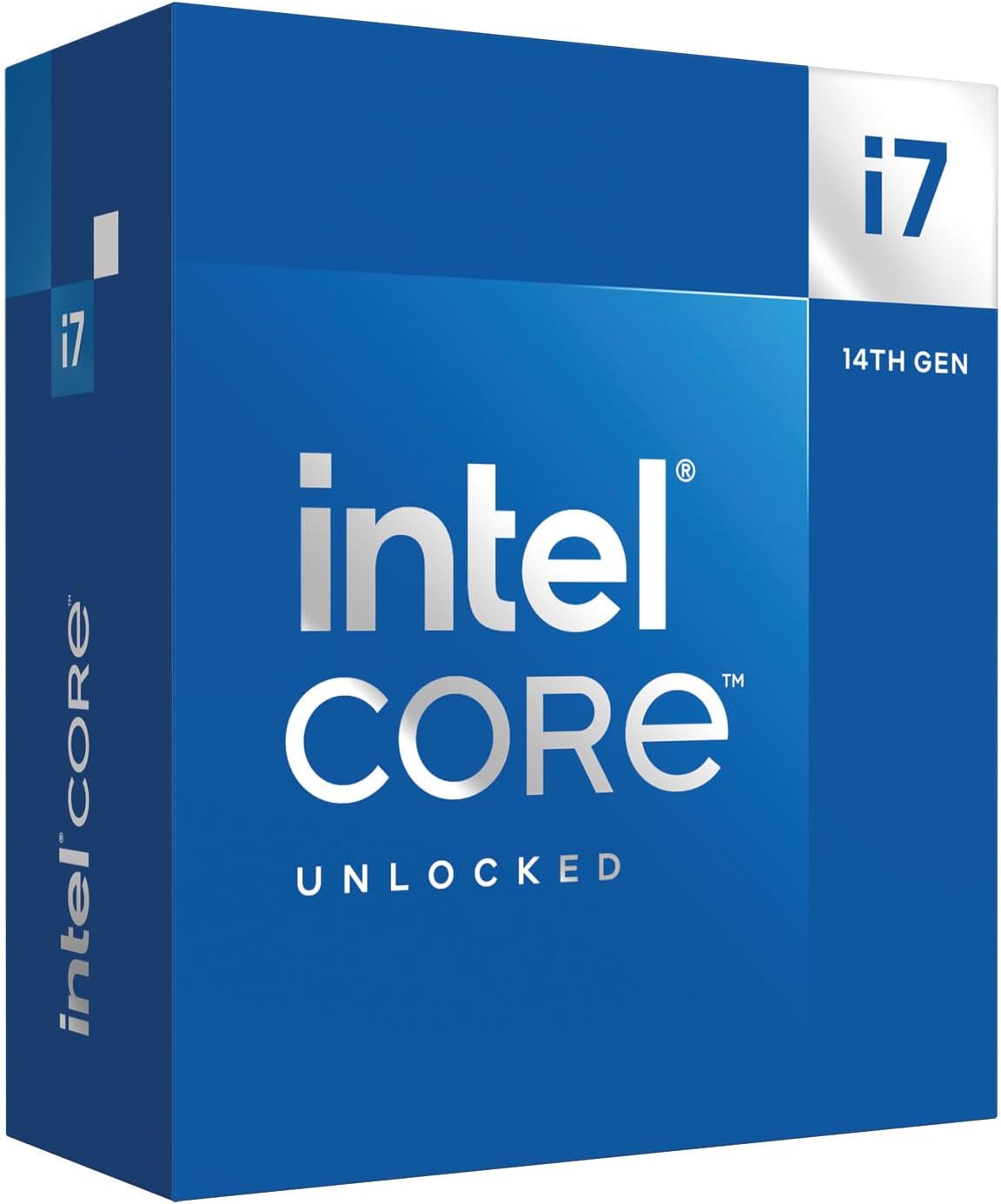
Intel took a distinctly different architectural route for its desktop chips by implementing a hybrid core topology. This design pairs high-ipc Performance cores (P-cores) built for low-latency tasks with compact Efficient cores (E-cores) engineered for multi-threaded background throughput. In desktop gaming scenarios, the operating system assigns active game threads to the powerful P-cores to maximize single-thread instruction throughput. This split configuration allows Intel Core i7 and Core i9 processors to reach impressive peak boost clocks that push high average frame rates in clock-sensitive game engines.
Successful operation of a hybrid desktop processor relies heavily on hardware-level scheduling technology coordinated with the operating system. Intel Thread Director monitors runtime telemetry and communicates with the scheduler to keep background software from stealing clock cycles from the primary game loop. When everything runs smoothly, Discord chats, web browsers, and background downloads execute across E-cores without degrading the gaming experience. Early scheduler misattributions occasionally routed game threads to E-cores, but modern operating system updates have largely stabilized thread allocation.
The hybrid design yields exceptional all-core throughput for mixed productivity tasks like video rendering and compiling code. Pure gaming efficiency does not always match AMD 3D V-Cache offerings, however, because Intel relies on brute-force clock frequencies rather than oversized on-die cache pools. Running high-frequency P-cores also results in significantly higher package power consumption under load compared to AMD eight-core processors. Buyers who prioritize synthetic benchmark scores or spend half their computing time on content production often find Intel hybrid processors well-suited to their daily routine.
Resolution Scaling: 1080p CPU Draw Calls Versus 1440p and 4K Bottlenecks
Screen resolution fundamentally dictates whether your central processor or your graphics card determines your final frame rates. At 1080p resolution, modern graphics cards render frames faster than the CPU can prepare draw calls, placing the entire gaming workload on the processor. Competitive esports players who pair powerful graphics hardware with high-refresh curved gaming monitors demand top-tier processor single-core performance to sustain extreme frame rates. In this CPU-bound scenario, differences in cache capacity and instruction per cycle (IPC) performance between AMD and Intel become readily apparent.
Stepping up to 1440p resolution increases the pixel workload by over seventy percent, transferring a substantial portion of the computing burden to the graphics card. While high-end processors still improve 1% low frame consistency at 1440p, the gap in average frame rates between AMD and Intel narrows noticeably. Game engines become bound by GPU rasterization, texture filling, and shader computations rather than processor draw call generation. Mainstream options like the AMD Ryzen™ 7 9700X 8-Core deliver smooth 1440p gaming experiences without needing the extreme cache pools of flagship processors.
At 4K resolution, the graphics card almost always operates at full capacity, turning the processor into a supporting component. Average frame rates across high-end AMD and Intel processors align closely in 4K AAA titles because the GPU bottleneck masks minor CPU performance differences. A capable processor remains necessary even at 4K to prevent physics hiccups and asset-loading frame drops during dense in-game combat. Investing heavily in an enthusiast-tier CPU yields diminishing returns if your primary objective is 4K visuals, making balanced component budgeting the smarter path.
Single-PC Streaming and Background Task Overhead
Content creators who broadcast gameplay from a single machine place unique demands on desktop processor architecture. Running streaming applications like Open Broadcaster Software alongside a modern game creates immediate competition for compute resources. Intel processors benefit in this scenario from their integrated media engine, known as Intel Quick Sync Video, which offloads video encoding cleanly. Hardware-accelerated Quick Sync allows streamers to encode high-bitrate video feeds without consuming the processor compute threads dedicated to the game.
AMD counters by offering high core counts and efficient multi-threading across its mainstream and enthusiast product tiers. A twelve-core chip like the AMD Ryzen 9 9900X3D 12-Core Processor assigns dedicated cores to streaming tasks while reserving the cache-equipped cores for gaming. This multi-CCD configuration prevents background processes from disturbing frame pacing or introducing audio desynchronization during live broadcasts. Modern graphics cards also feature dedicated hardware encoders, which allows pure AMD systems to stream smoothly without taxing CPU cores heavily.
Discord voice communication, virtual camera filters, and browser capture tabs can quickly eat into available system threads. System builders who multitask heavily during gaming sessions should avoid entry-level six-core options and opt for at least eight physical cores. Adequate thread capacity ensures that background software spikes do not interrupt the game engine pipeline during competitive moments. Evaluating your workflow helps determine whether Intel Quick Sync encoding or AMD high-cache core separation provides the smoother streaming setup.
Platform Longevity and Total Cost of Ownership: AM5 Versus Intel Sockets
Selecting a processor family commits the builder to a specific motherboard socket and memory ecosystem for several years. AMD has established a strong reputation for socket longevity, having supported the AM4 platform across four distinct processor generations. The older AM4 socket still serves budget gamers through capable processors like the AMD Ryzen 5 5600X 6-core, which pairs with affordable DDR4 memory. AMD has committed to supporting the newer AM5 platform through multiple future architectures, giving builders a clear drop-in upgrade roadmap.
Intel traditionally limits motherboard socket lifecycles to two processor generations before transitioning to a new physical pin layout. Upgrading to a newer Intel architecture generally requires purchasing a new motherboard alongside the processor, raising the total upgrade cost. Intel motherboards often provide versatile connectivity options, including extensive high-speed USB configurations and flexible PCIe lane distribution. Builders must weigh whether long-term CPU drop-in flexibility on AMD AM5 matters more than Intel current-generation feature sets and chipset selections.
Total platform cost encompasses more than the price tag attached to the silicon itself. High-tier motherboards with robust voltage regulator modules (VRMs) and premium power delivery phases add substantial cost to enthusiast builds. Investing in an AM5 motherboard allows builders to upgrade to future Zen generations without rebuilding their entire desktop foundation. Intel platforms that sit near the end of their socket lifecycle make financial sense primarily when purchased for immediate, complete builds with no planned CPU upgrades.
Power Consumption, Thermal Density, and Cooling Demands
Real-world power consumption during gaming sessions differs considerably from nominal thermal design power (TDP) numbers printed on the retail box. AMD Zen 5 processors operate with exceptional electrical efficiency, frequently drawing under one hundred watts of package power during demanding gaming sessions. Intel high-performance processors, by comparison, often push package power significantly higher to maintain their elevated all-core boost frequencies. High power draw generates substantial thermal output that demands capable cooling hardware to prevent thermal throttling at maximum junction temperatures.
Managing processor thermals requires matching your cooling solution to the specific thermal density of the underlying die. High-density processor dies generate concentrated heat hotspots that require efficient liquid cooling systems like the CoolerMaster MasterLiquid ML240L RGB V2. Enthusiast setups running wide displays or large format gaming displays often generate extra chassis heat from sustained GPU loads, making overall case ventilation critical. Solutions such as the Thermaltake TH240 ARGB Sync V2 CPU Liquid cooler transfer heat away from the processor IHS efficiently to maintain boost clock stability.
Motherboard power limits and BIOS baseline profiles play a significant role in thermal management and silicon stability. Unrestricted power profiles can elevate processor temperatures rapidly, forcing fans to spin at loud speeds without yielding meaningful gaming gains. Adhering to manufacturer baseline power limits ensures reliable long-term operation without excessive thermal strain on motherboard VRM components. Builders operating in compact chassis environments benefit considerably from the lower package wattage profiles typical of modern AMD gaming chips.
Memory Scaling: DDR4 Versus DDR5 Latency and Bandwidth Realities
Memory sub-timings and data transfer speeds directly influence how efficiently a gaming processor processes frame data. The AM4 ecosystem and select Intel platforms continue to support DDR4 memory kits like CORSAIR Vengeance LPX DDR4 RAM 32GB (2x16GB), offering low latency at reasonable costs. Modern gaming architectures increasingly demand the massive data bandwidth provided by DDR5 memory standards to feed high-core-count processors. Newer AMD AM5 motherboards require DDR5 exclusively, while certain Intel motherboards offer compatibility with either DDR4 or DDR5 depending on the board model.
Achieving optimal gaming performance on current-generation platforms involves selecting memory kits tuned to the processor memory controller. Memory kits like CORSAIR Vengeance DDR5 32GB (2 x 16GB) support dual profiles, including AMD EXPO and Intel XMP 3.0, for simplified BIOS setup. The ideal sweet spot for AMD AM5 platforms centers around 6000 MHz with tight latency timings to maintain a 1:1 ratio with the memory controller. Intel memory controllers can scale to higher raw megatransfer frequencies, which benefits specific bandwidth-heavy synthetic applications more than standard games.
Enabling memory profiles in the system BIOS remains essential to unlock the advertised transfer rates and sub-timings of your RAM kit. Running high-speed DDR5 memory at default JEDEC baselines introduces latency penalties that can degrade 1% low frame rates in CPU-limited titles. Memory training times during initial system boots can feel lengthy on modern platforms, but subsequent startups stabilize quickly. Verifying memory stability through standard diagnostic tools confirms that your gaming platform will avoid unexpected desktop crashes during long sessions.
Making the Strategic Choice for Your Gaming Rig
Deciding between AMD and Intel ultimately requires aligning processor strengths with your primary gaming habits and budget boundaries. If your focus centers purely on maximizing frame rates in competitive multiplayer titles, AMD processors featuring 3D V-Cache provide the clear performance edge. The reduced memory latency and outstanding power efficiency of stacked cache deliver smooth frame pacing with minimal thermal headache. High-tier desktop processors like the AMD Ryzen 9 5950X 16-core show that older multi-core platforms still handle heavy workloads, but newer architectures push gaming much further.
Intel remains a compelling option for builders who desire strong single-thread gaming clocks alongside extensive multi-threaded workstation capabilities. The inclusion of Intel Quick Sync and hybrid core flexibility creates an adaptable computing platform for creators who edit video between gaming sessions. Intel builds require careful attention to cooling capacity and motherboard power delivery limits to maintain consistent stability under heavy loads. Evaluating your display resolution, target refresh rate, and future upgrade expectations will point you directly to the ideal silicon foundation for your build.




Write Your Review
No reviews yet. Be the first to share your experience!