


PC builders often struggle with stuttering frame rates and sudden dips in 1% low metrics when pairing powerful graphics cards with older processors. Whether you play competitive shooters at high refresh rates or immersive simulation titles, processor throughput sets the ceiling for overall frame pacing stability. Many gamers questioning is the intel core i7 good for gaming wonder if stepping up to this tier provides noticeable gains over mid-range alternatives. Examining clock speeds, multi-threaded capabilities, and platform requirements helps clarify where this processor tier truly shines. Check our desktop gaming processor guide for a broader look at modern system balance.
Modern game engines demand a blend of rapid single-core boost frequencies for immediate draw calls alongside multi-threaded bandwidth for background physics, asset decompression, and chat applications. Intel Core i7 desktop processors bridge the gap between mainstream chips and high-cost workstation flagships. Selecting the right platform also depends on your chosen chipset and thermal dissipation headroom, as detailed in our gaming motherboard selection guide. Understanding how these processors balance architecture, memory standards, and real-world thermal behavior ensures you invest in components that match your gaming goals.

Pros
- Powerful CPU/GPU combo handles modern games at high settings
- Fast storage and memory reduce load times and improve multitasking
- Clean white build with customizable RGB fits most gaming setups
Cons
- 8GB VRAM on RTX 5060 Ti may limit 4K texture-heavy gaming
- Only 16GB RAM in an era where 32GB is becoming standard for streaming
- Pre-installed bloatware from manufacturer may require cleanup
The CyberPowerPC Gamer Xtreme GXiVR8040A19 is a pre-built gaming desktop that targets PC gamers who want strong 1440p performance without the hassle of building their own system. Powered by an Intel Core i7-14700F processor and an NVIDIA GeForce RTX 5060 Ti with 8GB of VRAM, this rig is ready to handle demanding titles like Call of Duty, Fortnite, Elden Ring, and Cyberpunk 2077 at high settings. With 16GB of DDR5 RAM and a 1TB PCIe 4.0 NVMe SSD, load times are minimal, and multitasking between games, Discord, and browser tabs feels snappy.
This system is best suited for competitive and casual gamers, streamers on Twitch or YouTube, and gaming setup builders who want a clean white aesthetic with RGB lighting. The tempered glass side panel shows off the customizable fan lighting, making it a centerpiece for any desk or dorm room. Esports players will appreciate the low-latency WiFi 6 and Bluetooth 5.3 for lag-free online matches and peripheral connection.
Performance-wise, the i7-14700F's 20 cores (8 P-cores + 12 E-cores) provide excellent responsiveness in both games and content creation. The RTX 5060 Ti supports ray tracing and DLSS 3, delivering smooth frame rates at 1440p. For competitive shooters, expect well over 144 FPS at lower settings, while open-world games maintain solid 60+ FPS with high presets. The included 7.1 channel audio and multiple display ports (1x HDMI, 2x DisplayPort) make multi-monitor setups easy.
Build quality is solid with a metal chassis and tempered glass panel. The cooling solution—likely a mix of front intake and rear exhaust—keeps temps in check during extended sessions, though heavy users may want to upgrade the CPU cooler or add more fans. Cable management inside the case is decent, but the rear could be tidier. The included keyboard and mouse are basic but functional, saving you from needing to buy peripherals immediately.
Setup is straightforward: plug in power, connect to monitor and peripherals, and you're gaming in minutes. Windows 11 Home comes pre-installed, but you'll want to strip out trialware and bloatware for optimal performance. One realistic limitation is the 8GB VRAM—at 4K or with heavy texture mods, you may run into memory limits. Also, 16GB RAM is fine now but may feel tight for heavy streaming or multitasking in a couple of years.
Overall, the CyberPowerPC Gamer Xtreme is a great choice for PC gamers who want a reliable, good-looking machine without building it themselves. It handles modern games exceptionally well at 1440p, supports streaming and light content creation, and comes with a warranty and tech support. If you're a college gamer, work-from-home casual player, or someone building a white RGB setup, this desktop delivers strong value for its price point.
The Intel Core i7-14700F and RTX 5060 Ti combo delivers excellent 1440p gaming performance. In titles like Call of Duty Modern Warfare III and Fortnite, you can expect 120-150 FPS on high settings. Ray tracing in games like Cyberpunk 2077 is playable with DLSS enabled. The PCIe 4.0 SSD ensures map loading is nearly instant. For competitive esports, this rig easily pushes 200+ FPS in Valorant and CS2 at high settings.
The 8GB VRAM may be a bottleneck for 4K gaming or heavy modding, but for 1440p and below, it's well-suited. The system runs cool and quiet during gaming, with fan noise remaining moderate under load.
The white chassis with tempered glass side panel is a standout feature for gamers who value aesthetics. The RGB lighting is customizable via motherboard software or pre-installed controls. The case has a clean layout with decent airflow from the front mesh panel. Cable management is tidy in the front but a bit messy behind the motherboard tray. The included keyboard and mouse are basic membrane types, serviceable for office tasks but likely to be upgraded by enthusiasts.
Overall build feels sturdy, and the 1-year warranty plus lifetime support adds peace of mind. The power supply is typically a 80+ Gold unit, though brand may vary.
Port selection includes one USB-C 3.2, three USB-A 3.2, four USB-A 2.0, and a LAN port. WiFi 6 and Bluetooth 5.3 come standard, providing fast wireless connectivity for online gaming and peripherals. The system supports 7.1 channel audio for immersive sound. Setup is plug-and-play: after unboxing, connect power, display, and peripherals, then boot into Windows 11 and update drivers. The included keyboard and mouse let you start immediately, though you may want to use your own gaming peripherals for better performance.

Pros
- Excellent gaming performance with high frame rates in modern titles
- Great price-to-performance ratio for a mainstream high-end CPU
- Reliable and stable without the voltage issues reported on 13th and 14th gen
- Integrated graphics useful for troubleshooting or temporary display output
- Unlocked design gives overclocking headroom for extra speed
Cons
- Does not include a CPU cooler - requires aftermarket cooling solution
- LGA1700 socket may require a new motherboard for users on older platforms
- Power draw can reach 125W base and higher under load, necessitating adequate thermal management
The Intel Core i7-12700K is a desktop gaming processor that uses Intel's performance hybrid architecture, combining eight performance cores (P-cores) and four efficient cores (E-cores) for a total of 12 cores and 20 threads. This design makes it an excellent choice for PC gamers who want to run demanding games while keeping chat apps, streaming software, or browser tabs open in the background without sacrificing frame rates.
Based on user feedback, this CPU shines in competitive gaming where high clock speeds matter. With a max turbo frequency of 5.0 GHz on its P-cores, it handles FPS and MOBA games with low latency and quick responsiveness. For content creators, the multicore performance from both core types speeds up video rendering, 3D modeling, and live streaming workflows. The integrated UHD 770 graphics offer a backup display option, which is handy for troubleshooting or running a system temporarily without a dedicated GPU.
Build quality is solid - Intel's 12th generation has proven to be reliable, with many users noting stability advantages over later generations that faced voltage-related issues. The processor fits LGA1700 motherboards with 600 or 700 series chipsets, and it supports both DDR4 and DDR5 memory, giving builders flexibility depending on their budget. Setting up the CPU is straightforward, but note that no cooler is included in the box, so you will need to purchase an aftermarket air or liquid cooler rated for LGA1700.
In terms of everyday use, the i7-12700K runs cool with a good cooler, and temperatures stay manageable even under extended gaming sessions. Overclocking is unlocked, allowing enthusiasts to push performance further, though the out-of-box speeds are already strong for most users. The processor works seamlessly with Windows 11's Thread Director to optimize workload distribution across P-cores and E-cores.
A realistic limitation is the power consumption - at 125W base and higher under turbo, it demands a capable cooling solution and a quality power supply. For users with older motherboards, upgrading to LGA1700 means a new board purchase. However, for those building a new system or upgrading from a 10th gen or earlier platform, this chip offers superb value and future-proofing with PCIe Gen 5 support.
Overall, the Intel Core i7-12700K is a top recommendation for PC gamers, streamers, and content creators who want reliable, high-performance computing without the premium pricing of newer flagship processors. It's particularly well-suited for competitive gamers pursuing high frame rates, as well as setup builders looking for a stable foundation that can handle multitasking and content creation duties.
The i7-12700K delivers smooth gameplay in popular titles like Call of Duty, Valorant, and Cyberpunk 2077, with high frame rates even when paired with mid-range and high-end graphics cards. Its 5.0 GHz boost on performance cores ensures fast responsiveness, while efficiency cores handle background tasks without interfering with gaming. Many users report consistent performance in CPU-intensive simulations like City Skylines 2. For competitive esports, this processor keeps frame times low and minimizes stuttering. Overclocking enthusiasts can push further, but stock speeds already provide excellent performance for most gaming scenarios.
Intel's 12th generation processors have a strong reputation for reliability. The i7-12700K uses a mature architecture that avoids the stability problems reported with 13th and 14th gen chips. The integrated IHS provides good thermal transfer, and the chip is built to last. Users have praised its consistent performance over months of heavy use, making it a trustworthy choice for long-term gaming builds.

Pros
- Excellent gaming and productivity performance for the price point.
- Freedom to overclock both P-cores and E-cores for tailored performance.
- Wide motherboard compatibility with LGA1700 socket and 600/700 series chipsets.
- Supports fast DDR5 RAM and PCIe Gen 5 storage/graphics for future upgrades.
Cons
- Requires a discrete graphics card; no integrated GPU for basic display or troubleshooting.
- Does not include a CPU cooler, so budget for an aftermarket cooler.
- High power draw under load (125W base, more overclocked) may need a robust cooling solution.
The Intel Core i7-12700KF is a desktop processor designed for serious PC gamers, streamers, and content creators who demand high performance without compromise. As an unlocked, performance-hybrid chip, it combines 8 high-performance cores (P-cores) with 4 energy-efficient cores (E-cores) for a total of 12 cores and 20 threads. This makes it an excellent choice for competitive gaming, multitasking during streams, and even demanding productivity tasks like video editing or 3D rendering.
Who should buy it? This CPU suits PC gamers building a dedicated gaming rig with a discrete GPU, especially those who want to overclock for extra frames in esports titles like Valorant or CS2. It's also great for streamers who run OBS, Discord, and a game simultaneously, as the hybrid architecture keeps background tasks from hurting gaming performance. Casual gamers and content creators will appreciate its smooth multitasking, while RGB enthusiasts and setup builders will enjoy pairing it with a Z690 or Z790 motherboard for full customization.
In real-world gaming, the i7-12700KF delivers responsive, low-latency performance. With a single P-core turbo up to 5.0 GHz, it ensures high frame rates in CPU-intensive games like Warzone or Cyberpunk 2077. The 25MB L3 cache helps reduce load times and stutter in open-world environments. While it doesn't include a cooler, a quality air or liquid cooler keeps temperatures in check during long sessions. For overclockers, separate controls for P-cores and E-cores allow fine-tuning voltage and frequency to balance heat and performance.
Build quality and practicality are strong points. Intel's 7 architecture improves efficiency, and the LGA1700 socket fits a wide range of motherboards from budget B660 to premium Z790. The processor supports DDR5 RAM for faster memory bandwidth and PCIe Gen 5 for next-gen graphics cards and NVMe SSDs. Setup is straightforward: install into a compatible motherboard, apply thermal paste, attach a cooler, and pair with a discrete GPU. Cable management is minimal since it's a CPU, but ensure your case has good airflow for the 125W TDP.
One realistic limitation is the lack of integrated graphics, meaning you must have a graphics card installed even for basic troubleshooting. Additionally, the CPU doesn't come with a stock cooler, so factor that into your build cost. Power draw can climb under overclocking, so a quality PSU (at least 650W) and a capable cooler are recommended. The i7-12700KF also requires a 600 or 700 series motherboard, so older LGA1200 coolers may need an adapter bracket.
Overall, the Intel Core i7-12700KF is a fantastic value for gamers who want high-end performance without stepping up to the i9. It excels in gaming, streaming, and productivity, especially when paired with fast DDR5 memory and a modern motherboard. If you're building a new gaming PC in 2024 and plan to use a dedicated GPU, this processor offers a sweet spot of speed, cores, and overclocking flexibility for the price.
Pros
- Excellent multi-core performance for gaming and productivity workloads
- Integrated graphics provide useful backup for troubleshooting or light tasks
- Unlocked multiplier for easy overclocking with compatible Z-series motherboards
- Good compatibility with both DDR4 and DDR5 memory platforms
- Backward compatible with many LGA1700 motherboards with BIOS update
Cons
- Runs hot under load, requiring a high-end air or liquid cooler for optimal performance
- Power draw can be high, especially when overclocked or under sustained workloads
- May require BIOS update for older 600-series chipset motherboards
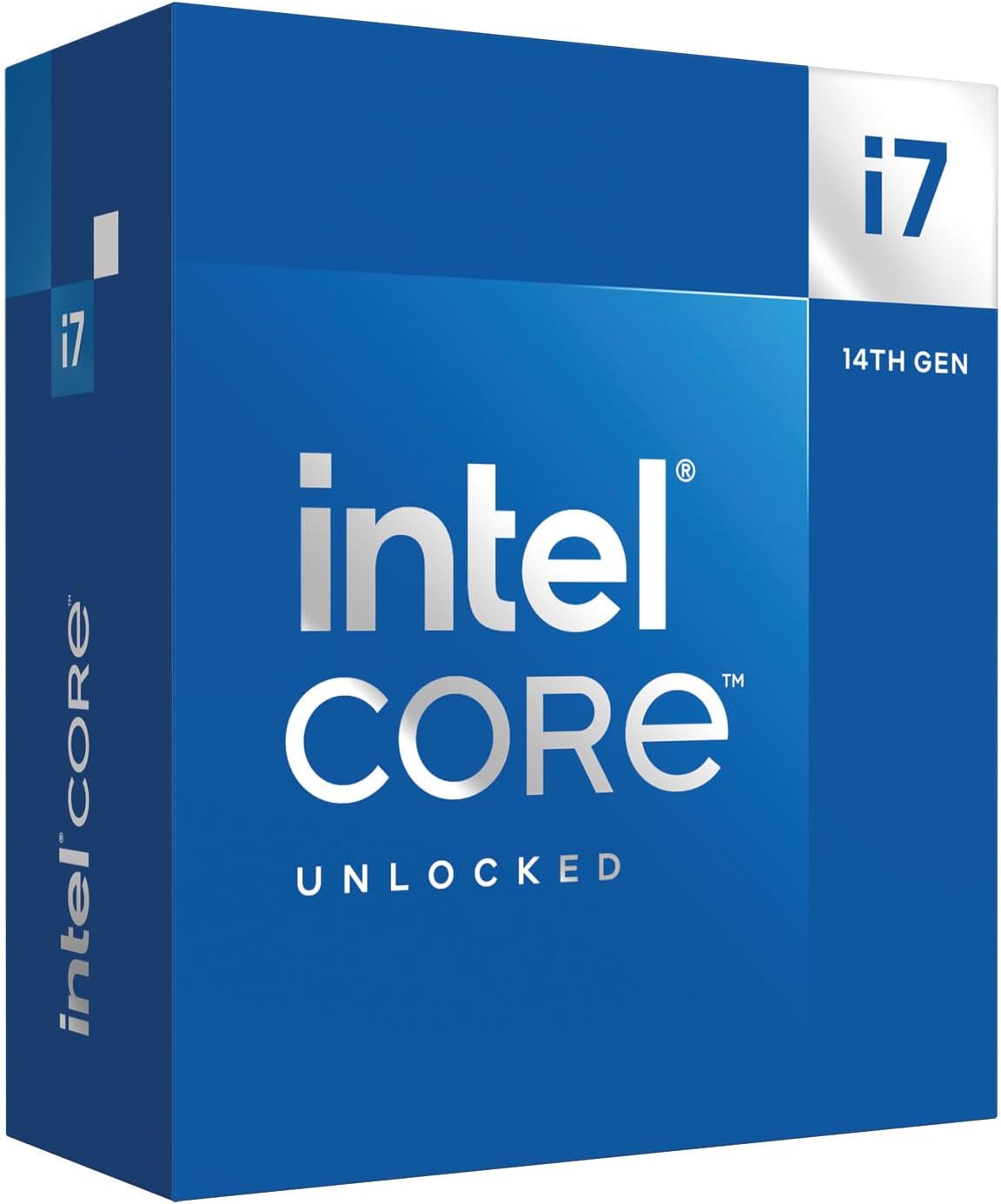
The Intel Core i7-14700K is a 14th-generation desktop processor that blends high-performance P-cores with efficient E-cores, giving PC gamers and content creators a versatile chip for demanding workloads. With 8 performance cores and 12 efficiency cores for a total of 20 cores and 28 threads, it offers strong multi-threaded performance for gaming while streaming, video editing, or running productivity tasks in the background. This processor is designed for the LGA1700 socket and works with both Intel 600 and 700 series motherboards, though a BIOS update may be needed for older boards.
This CPU is best suited for PC gamers who want high frame rates in modern titles, competitive esports players who need consistent responsiveness, streamers who multitask during broadcasts, and content creators who edit video or render 3D assets. Its hybrid architecture allows demanding games to run on the performance cores while background apps like Discord, OBS, or Chrome tabs are handled by the efficient cores, keeping your gameplay smooth and your stream stable. The unlocked multiplier also appeals to enthusiasts who want to push clock speeds beyond stock with adequate cooling.
When it comes to gaming, the i7-14700K delivers strong single-core performance for snappy responsiveness in fast-paced shooters like Valorant, CS2, and Call of Duty, as well as in CPU-intensive titles like Cyberpunk 2077 and Microsoft Flight Simulator. Users report noticeable gains over previous-gen i7s, especially in games that benefit from higher core counts and faster cache. The 33 MB Intel Smart Cache helps reduce latency, while support for PCIe 5.0 and DDR5 memory means this chip can take full advantage of the latest GPUs and fast RAM kits for even better frame rates.
Cooling is a critical consideration with this processor. Under full load, the i7-14700K can draw significant power and generate substantial heat. Most builders will want at least a quality 240mm AIO liquid cooler, and a 360mm AIO or custom loop is recommended for sustained all-core workloads. Undervolting is a popular technique among enthusiasts to reduce temperatures without sacrificing much performance, as noted in user feedback. A good contact frame for the LGA1700 socket can also help with even thermal paste spread and lower temps.
Setup is straightforward if you have a compatible motherboard and a BIOS updated to support 14th-gen chips. The processor integrates Intel UHD Graphics 770, which is handy for troubleshooting or basic display output without a dedicated GPU. Overclocking headroom is available for those who want to push frequencies further, though the stock Turbo Boost performance is already strong for most gaming scenarios. The chip works with both DDR4 and DDR5 memory, giving builders the option to save money with existing DDR4 kits or invest in faster DDR5 for future-proofing.
Realistically, the i7-14700K sits in a sweet spot for high-end gaming builds where you want strong multi-core performance without stepping up to the i9 price tier. It handles gaming, streaming, and productivity tasks simultaneously without breaking a sweat, making it a versatile choice for a gaming PC that also doubles as a workstation. Just be ready to invest in adequate cooling and a quality power supply, as this chip pulls significant power under load. For gamers building a new rig or upgrading from a 12th-gen or earlier platform, this CPU offers a compelling balance of price and performance.
In gaming scenarios, the i7-14700K delivers excellent single-core performance thanks to its high boost clock and Intel Turbo Boost Max Technology 3.0. This translates to high frame rates in competitive shooters like Valorant and CS2, where CPU speed often dictates performance. The 8 P-cores handle the game logic while the 12 E-cores manage background tasks like Discord, streaming software, and game launchers, resulting in smoother gameplay with fewer stutters. Users report strong performance in AAA titles at 1440p and 4K when paired with a modern GPU, with the CPU rarely becoming the bottleneck.
For streaming, the hybrid architecture lets you game on the P-cores while encoding and streaming tasks run on the E-cores, keeping in-game performance consistent. The integrated graphics are not intended for gaming but provide a useful fallback for troubleshooting or basic display output. Overclockers will appreciate the unlocked multiplier and robust VRM support on Z790 boards, though thermal headroom varies by silicon quality.

Pros
- Strong gaming performance for its price with i7 and RTX 4050
- 165Hz display with thin bezels provides immersive, fluid visuals
- Fast 1TB Gen 4 SSD and 16GB DDR5 RAM for quick boot and game loads
- Good connectivity including Thunderbolt 4, HDMI 2.1, and Wi-Fi 6
- Effective cooling system with customizable fan curves
Cons
- Battery life around 5 hours may require frequent charging during extended use
- Weighs 4.66 lbs, making it less portable than some ultrabooks
- Only 6GB VRAM on RTX 4050 may limit future AAA titles at high settings
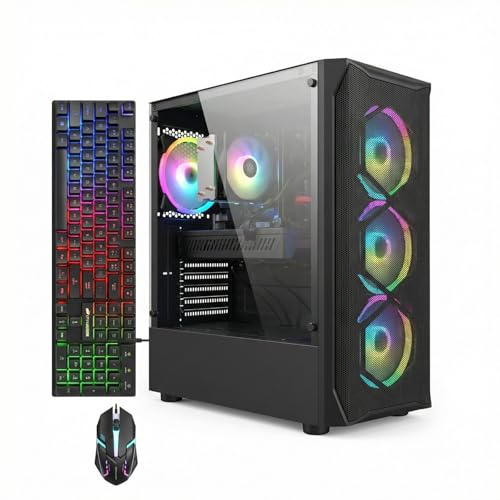
The Acer Nitro V 15 (ANV15-52-76NK) is a dedicated gaming laptop that hits a sweet spot for PC gamers, competitive esports players, streamers, and content creators who need reliable performance without breaking the bank. Powered by an Intel Core i7-13620H processor and an NVIDIA GeForce RTX 4050 GPU, this machine is built to handle modern games, multitasking, and creative workloads like video editing or live streaming.
For gamers, the real highlight is the 15.6-inch Full HD IPS display with a 165Hz refresh rate. This means you get buttery-smooth motion in fast-paced shooters like Valorant or Call of Duty, with minimal ghosting and precise tracking. The 1920x1080 resolution keeps frame rates high, and the thin bezels offer an immersive 82.64% screen-to-body ratio. The RTX 4050 supports DLSS 3.5 and ray tracing, so even demanding titles like Cyberpunk 2077 can look stunning with AI-enhanced visuals.
Performance is backed by 16GB of DDR5 RAM (upgradeable to 32GB) and a 1TB PCIe Gen 4 SSD. Load times are snappy, and you can keep multiple apps open without lag. The laptop also includes Wi-Fi 6 and Killer Ethernet E2600 for low-latency online play, plus a Thunderbolt 4 port that supports fast charging, data transfer, and video output. The dual-fan cooling system with adjustable fan speeds helps keep the CPU and GPU cool during extended sessions, though the laptop does get warm under heavy load.
Build quality is solid with a black plastic chassis that feels durable, though it's not ultra-premium. The backlit keyboard includes a numeric keypad, making it practical for both gaming and productivity tasks. The 4.66-pound weight is manageable for moving between rooms but not ideal for daily commuting. The 5-hour battery life is typical for a gaming laptop, so expect to stay plugged in for gaming sessions.
Setting up the software is straightforward with Windows 11 pre-installed and Acer's NitroSense utility for monitoring performance and customizing fan curves. The AI-powered PurifiedView and PurifiedVoice features improve webcam and microphone quality for Discord calls or streaming, though the built-in webcam is only 720p. One limitation is the RTX 4050's 6GB VRAM, which may struggle with ultra textures in future AAA titles, but for 1080p gaming and most current releases, it's plenty capable.
Overall, the Acer Nitro V 15 is a practical recommendation for college gamers, work-from-home gamers, and anyone building a versatile setup that can handle both gaming and daily tasks. It offers strong value at its price point, and the 165Hz display combined with RTX 4050 makes it a reliable choice for competitive and casual gamers alike.
The combination of the Intel Core i7-13620H (10 cores, up to 4.9 GHz) and NVIDIA GeForce RTX 4050 (6GB GDDR6, 194 AI TOPS) delivers excellent 1080p gaming performance. In competitive titles like Fortnite and Apex Legends, you can expect well over 100 FPS at high settings, while more demanding games like Elden Ring or Assassin's Creed Mirage run smoothly with DLSS enabled. The 165Hz display ensures every frame looks fluid, giving you a clear edge in fast-paced shooters.
The 15.6-inch Full HD IPS panel offers vibrant colors and decent contrast with a 165Hz refresh rate. The 16:9 aspect ratio and thin bezels create an immersive gaming experience. Response times are good enough to minimize ghosting, and the 300-nit brightness works well indoors. For a gaming laptop at this price, the display is a strong selling point.
Port selection is generous: one Thunderbolt 4 (USB-C with 65W charging, DisplayPort), one USB 3.2 Gen 2 Type-C, two USB 3.2 Gen 1 Type-A, HDMI 2.1, Gigabit Ethernet, and a headphone jack. This setup supports dual external monitors, fast peripherals, and reliable wired networking. Wi-Fi 6 and Bluetooth 5.2 round out wireless connectivity.

Pros
- Exceptional multi-core performance for gaming and productivity tasks like video editing.
- High clock speeds (up to 5.6 GHz) provide low-latency gaming and snappy system responsiveness.
- Memory flexibility with support for both DDR4 and DDR5, easing upgrade paths.
- Unlocked multiplier for overclocking, giving advanced users headroom to push performance.
Cons
- No integrated graphics - requires a discrete GPU, adding cost and complexity for basic display needs.
- High power draw under load, necessitating a quality cooler and adequate PSU.
- Older 600-series motherboards may require a BIOS update, which could be a hurdle for non-tech-savvy builders.
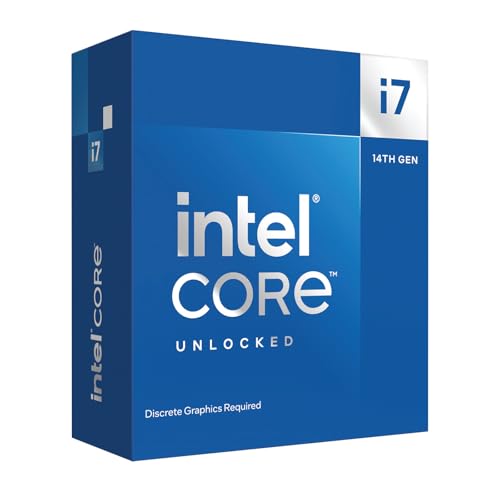
The Intel Core i7-14700KF is a high-performance desktop processor designed for PC gamers, content creators, and PC builders who demand top-tier speed and multitasking capabilities. As part of Intel's 14th Gen lineup, this unlocked CPU offers a blend of 8 performance cores and 12 efficient cores, totaling 20 cores and 28 threads - a configuration that excels in both gaming and productivity workloads. Whether you're building a gaming rig for competitive esports, streaming on Twitch, or editing videos, this processor aims to deliver without compromise.
In real-world gaming, the i7-14700KF's up to 5.6 GHz Turbo Boost Max Technology 3.0 provides low-latency responsiveness and high frame rates in CPU-intensive titles like FPS games, open-world adventures, and strategy sims. The hybrid architecture ensures background tasks such as Discord, streaming software, or browser tabs run smoothly without impacting gaming performance. For content creators, the extra E-cores accelerate video rendering and multi-threaded tasks, making it a solid choice for a combined gaming and productivity setup.
Compatibility is a strong point - the i7-14700KF works with both Intel 600-series (with a potential BIOS update) and 700-series chipset motherboards. It also supports both DDR4 and DDR5 memory, letting you choose between cost-effective or cutting-edge RAM. This flexibility makes it easier to integrate into an existing build or a new high-end system. Note that this is a 'KF' variant, meaning no integrated graphics, so you'll need a discrete GPU for display output - a standard requirement for gaming PCs anyway.
Build quality and reliability are typical for Intel's desktop chips: robust construction and proven architecture. Because it's unlocked, enthusiasts can overclock for extra performance, though a capable aftermarket cooler and quality power supply are recommended to handle the heat and power draw. Thermal management is straightforward with a good air or liquid cooler, and the CPU fits standard LGA1700 sockets used by 12th, 13th, and 14th Gen boards.
Setup is as easy as any standard CPU installation, but beginners should note the BIOS update requirement for older 600-series motherboards. The lack of an iGPU means you can't troubleshoot without a discrete graphics card connected, but for a gaming-focused build that's rarely an issue. Cable management is minimal since the CPU itself has no cables; just seat it carefully in the socket.
Overall, the Intel Core i7-14700KF is a compelling choice for PC gamers and creators who want strong multi-core performance without jumping to the top-tier i9. Its balance of gaming speed and productivity grunt makes it versatile for a range of setups - from dorm room gaming PCs to professional content creation workstations. If you already have a discrete GPU and don't mind the slight setup care for older boards, this processor delivers excellent value for high-fidelity gaming and demanding workloads.
Evaluating Intel Core i7 Performance in Modern Gaming Rigs
Asking whether is the intel core i7 good for gaming requires looking at how raw computing power translates into on-screen fluidity. High clock speeds, multi-threaded headroom, and expansive cache pools make the Core i7 lineup a cornerstone of performance desktop builds. While graphics cards handle visual rendering, the processor dictates how quickly game logic, geometry, and draw calls are fed to your display pipeline. Understanding how this silicon tier handles modern gaming workloads helps PC builders decide whether to invest in an i7 or allocate funds elsewhere.
Core Architecture and Real-World Gaming Throughput
The direct answer to whether is the intel core i7 good for gaming is an emphatic yes for modern high-performance gaming. Modern Intel Core i7 processors utilize a hybrid microarchitecture that splits workloads between high-frequency Performance cores and power-conscious Efficient cores. Performance cores take command of demanding single-threaded gaming engines, utilizing rapid boost clocks and dedicated cache to prevent execution stalls. Meanwhile, secondary processes such as Discord voice chat, peripheral management software, and background operating system tasks migrate to the Efficient cores. This targeted allocation keeps the primary gaming threads unimpeded, reducing frametime variance during intense multiplayer encounters.
Architectural features such as Intel Turbo Boost Max Technology 3.0 enable selected Performance cores to ramp up frequencies when thermal headroom permits. For example, unlocked desktop models like the Intel® Core™ i7-14700K New Gaming Desktop reach boost speeds up to 5.6 GHz across its 8 Performance cores. High single-core boost clock speeds directly influence your system instruction throughput, which plays a massive role in maintaining stable 1% low frame rates. When game engines encounter sudden physics calculations or large draw distances, robust single-core compute performance keeps your graphics card saturated with data.
Resolution Bottlenecks Across 1080p, 1440p, and 4K Displays
Display resolution fundamentally alters the relationship between your processor and graphics card during active gameplay. At 1080p, the graphics card renders frames quickly, placing high demand on the processor to feed draw instructions at rapid intervals. In competitive esports titles running on 144Hz or 240Hz monitors, an Intel Core i7 delivers the rapid compute cycles required to hit maximum refresh rates. Reviewing sensible graphics card pairing considerations demonstrates how matching component tiers prevents severe processing limits at full HD resolutions.
Moving to 1440p and 4K resolutions shifts the primary computational workload toward the graphics card’s shader arrays and video memory. However, demanding simulation titles, grand strategy games, and open-world environments with dense crowds still lean heavily on central processing speed regardless of resolution. Even when running at 4K, a processor with insufficient single-core clock speeds can cause micro-stuttering during rapid camera sweeps. The Core i7 maintains steady frame pacing across all resolutions, ensuring that graphical detail transitions remain smooth even when visual settings are fully maximized.
Generation Differences: 12th Gen vs 14th Gen Desktop Processors
Intel desktop processors span multiple architectural iterations within the LGA1700 platform, offering distinct core configurations and clock envelopes. The Intel Core i7-12700K Gaming Desktop Processor features 12 cores arranged in an 8 Performance and 4 Efficient core configuration with clock speeds reaching up to 5.0 GHz. It carries 25 MB of L3 cache, providing a dependable foundation for mainstream gaming rigs on 600-series motherboards. Builders seeking an entry point into the hybrid platform often appreciate the balance this 12th Gen architecture offers between computational stability and thermal requirements.
Stepping up to 14th Gen hardware brings substantial increases in both core counts and operating frequencies. Processors such as the Intel® Core™ i7-14700KF New Gaming Desktop expand the configuration to 20 cores (8 Performance cores plus 12 Efficient cores) and 28 execution threads. Maximum turbo boost climbs to 5.6 GHz, while expanded cache resources help accelerate complex game mechanics. This extra compute headroom provides measurable benefits in titles that feature advanced multithreading or when running background capture utilities alongside your games.
Understanding K, KF, and F Processor Suffixes
Navigating Intel model numbers requires understanding the performance distinctions indicated by their letter suffixes. A standard K designation, such as the Core i7-14700K, signifies an unlocked multiplier for overclocking alongside integrated Intel UHD 770 graphics. Integrated graphics offer valuable utility for display troubleshooting, quick video output, and media transcoding support. If a dedicated graphics card experiences driver faults or hardware failures, integrated display outputs keep your desktop operational for diagnostics.
Models with a KF suffix, like the Intel® Core™ i7-12700KF Desktop Processor 12, retain an unlocked multiplier but omit integrated graphics entirely. These processors require a discrete graphics card to produce an image, which is standard practice for dedicated gaming rigs. Similarly, locked processors carrying an F suffix, such as the Core i7-14700F found in prebuilt systems, feature fixed clock multipliers and no integrated display hardware. Gamers who do not plan to manually tune clock frequencies often prefer F-series processors because they deliver strong out-of-the-box speeds with simplified thermal requirements.
Evaluating Older Platforms: The Legacy Core i7-8700 in Modern Builds
Some budget-focused prebuilt desktop systems, such as the STGAubron Gaming PC Desktop,Core I7-8700,RTX 3060, feature older legacy silicon like the Core i7-8700. Released several generations prior, the Core i7-8700 offers 6 cores and 12 threads with boost speeds up to 4.6 GHz running on DDR4 memory. While this configuration successfully runs popular multiplayer games such as esports titles and older releases at acceptable frame rates, it lacks the architectural efficiency of hybrid platforms. Modern game titles with intense multithreading can saturate older 6-core processors, resulting in frame pacing dips during asset loading.
Buyers evaluating prebuilts with legacy processors should understand the upgrade limitations tied to older motherboards. An 8th Gen Intel processor cannot be upgraded to 12th, 13th, or 14th Gen silicon without replacing the entire motherboard and cooling bracket. While pairing an i7-8700 with an RTX 3060 delivers playable 1080p performance in casual gaming, modern titles require far more single-thread instructions per cycle to maintain high refresh rates. Investing in modern socket architectures provides a clear upgrade path and ensures compatibility with contemporary memory and PCIe bandwidth standards.
Game Streaming and Background Multitasking Headroom
Single-PC streamers and content creators require substantial computational overhead beyond what a standalone game engine demands. Running Open Broadcaster Software (OBS), rendering web browser overlays, maintaining Discord voice channels, and recording gameplay footage simultaneously places heavy strain on system threads. An Intel Core i7 processor handles these concurrent workloads effectively due to its high physical core count and thread capacity. By allowing background applications to run on Efficient cores, your active game maintains exclusive access to high-frequency Performance cores without stutter.
Hardware acceleration options further enhance multitasking efficiency on systems configured with integrated graphics. Intel Quick Sync Video, built into non-F processors, allows creators to offload video encoding tasks from the primary processor cores and graphics card entirely. This dedicated silicon logic processes streaming and recording feeds with minimal impact on game frame rates. Gamers who regularly create content find that an Intel Core i7 provides the multi-threaded bandwidth needed to maintain a smooth viewer experience without sacrificing personal gameplay smoothness.
Memory Flexibility: Comparing DDR4 and DDR5 Support
Platform flexibility represents one of the major strengths of modern Intel desktop architectures on the LGA1700 socket. Processors like the Core i7-14700K support both DDR4 and DDR5 memory standards, giving system builders flexibility when planning their hardware investments. DDR4 memory kits offer broad availability and mature timings, making them viable for cost-conscious upgrades from previous builds. However, DDR5 delivers significantly higher transfer bandwidth that assists memory-intensive open-world game titles and asset decompression.
Modern prebuilt machines such as the iBUYPOWER Element Gaming PC Desktop Computer Intel and the CyberPowerPC Gamer Xtreme Gaming PC come equipped with fast DDR5 memory out of the box. Higher memory bandwidth reduces bottlenecks when processing large game worlds with rapid streaming requirements. Enabling Intel XMP profiles within the system BIOS ensures your memory kit runs at its rated speeds and optimized sub-timings. Proper memory configuration directly supports 1% low frame rate stability, preventing micro-stutters during heavy computational scenes.
Platform Lifecycles and Motherboard Chipset Requirements
Selecting the right motherboard chipset is essential for unlocking the full potential of an Intel Core i7 processor. Intel 600-series chipsets, such as B660 and Z690, support 12th Gen processors out of the box and can host 14th Gen silicon with a simple BIOS firmware update. For newer builds, 700-series motherboards, including B760 and Z790, provide optimized power delivery and expanded high-speed PCIe lanes for modern graphics cards and NVMe storage. Enthusiasts who wish to fine-tune processor frequencies require a Z-series board, while mainstream gamers can rely on B-series chipsets for standard operation.
When building or upgrading a desktop PC, evaluating your platform longevity helps protect your overall component investment. Consulting a mainstream gaming CPU guide can provide valuable perspective on how different platform socket roadmaps compare over multiple hardware cycles. While the LGA1700 socket has reached its final generation of desktop processors, the available 12th through 14th Gen options provide immense performance depth. System builders investing in LGA1700 today gain access to mature motherboard firmware, stable driver packages, and competitive component availability.
Thermal Dissipation, Power Profiles, and Cooling Solutions
High-performance processors demand capable thermal dissipation solutions to sustain maximum turbo boost frequencies over extended gaming sessions. Unlocked models like the Core i7-12700K feature a base TDP of 125W but can consume significantly more power during full boost states. High package power draw generates substantial thermal output that must be dissipated to avoid thermal throttling at the processor junction temperature. While mid-range processors run comfortably on compact air coolers, a Core i7 thrives when paired with a dual-tower air cooler or a 240mm to 360mm all-in-one liquid cooler.
Motherboard BIOS configurations also play a major role in thermal management and overall processor stability. Modern motherboard manufacturers provide default baseline power profiles that adhere strictly to Intel electrical and thermal guidelines. Enabling standard baseline profiles prevents excessive voltages and maintains safe thermal margins without sacrificing gaming performance. Proper chassis airflow, featuring intake fans and unobstructed exhaust pathways, further ensures that your processor, graphics card, and motherboard voltage regulator modules remain cool under sustained loads.
Laptop Gaming Realities: Mobile Core i7 vs Desktop Silicon
Mobile gaming systems bring the Core i7 experience to portable form factors with distinct architectural adaptations. Notebooks such as the acer Nitro V Gaming Laptop incorporate the Intel Core i7-13620H processor alongside a dedicated laptop graphics card. Mobile H-series processors are optimized for tighter thermal constraints and lower wattage envelopes than their desktop counterparts. Despite operating within compact chassis boundaries, modern mobile Core i7 silicon delivers robust multi-core capabilities and rapid clock speeds suited for high-refresh 1080p laptop displays.
Gamers considering a laptop should recognize the functional tradeoffs between portable convenience and desktop upgradability. Mobile processors are soldered directly to the motherboard, meaning CPU upgrades are impossible down the road. Laptop cooling solutions rely on compact heat pipes and high-speed fans, which can lead to higher audible noise and aggressive thermal management under heavy workloads. However, for mobile LAN setups or dorm rooms, a Core i7 gaming laptop provides an impressive all-in-one gaming solution capable of handling modern titles smoothly.
Strategic Comparison: Choosing Between Core i5, Core i7, and Core i9
Deciding whether an Intel Core i7 is the right choice depends on your gaming expectations, multitasking habits, and budget allocation. Mainstream Core i5 processors represent the sweet spot for pure gaming rigs where budget efficiency takes precedence. A modern Core i5 delivers sufficient single-thread performance to drive high frame rates in most contemporary titles without demanding top-tier cooling. However, users who run heavy background software, stream regularly, or use their PC for video rendering benefit from the additional cores and larger cache pools found on the Core i7.
On the other end of the spectrum, flagship Core i9 processors cater to extreme enthusiasts and professional workstation users. While a Core i9 provides the absolute highest clock frequencies and thread counts, the gaming frame rate gains over a Core i7 are often modest compared to the increased power consumption and cooling demands. The Core i7 strikes a balanced middle ground, delivering near-flagship gaming frame rates and robust multitasking headroom without requiring exotic power supplies or custom liquid cooling loops.
Practical System Integration and BIOS Verification
Completing a successful desktop build with an Intel Core i7 requires executing a few straightforward software checks after hardware assembly. Entering the motherboard BIOS allows builders to confirm that all physical Performance and Efficient cores are properly detected by the system firmware. Verifying the installed BIOS revision ensures your motherboard contains the latest microcode updates for voltage regulation and system stability. If you are pairing a 14th Gen processor with an earlier 600-series motherboard, updating the BIOS via USB flashback is often a mandatory preliminary step.
Once the operating system is running, monitoring real-time system metrics verifies that your cooling solution is mounted securely with proper thermal paste contact. Hardware monitoring utilities display package temperatures, clock frequencies, and core voltages during intense gaming sequences. Observing consistent boost clock behavior without sudden thermal throttling confirms that your cooler mounting pressure and fan curves are dialed in properly. Taking time to establish stable system baseline settings guarantees reliable performance throughout demanding multi-hour gaming sessions.
Summary Takeaways for PC Gamers
Evaluating an Intel Core i7 for gaming reveals a platform capable of handling modern high-refresh competitive play and demanding visual titles. High single-core boost clock speeds, expansive cache structures, and hybrid core balancing provide smooth frame pacing across modern gaming resolutions. Whether selecting an unlocked desktop processor like the 14700K or choosing a complete prebuilt gaming desktop, this tier delivers reliable long-term performance. Ensuring adequate cooling, proper power supply headroom, and correct BIOS baseline profiles will keep your Core i7 gaming build operating smoothly for years to come.


Write Your Review
No reviews yet. Be the first to share your experience!