

Top Ergonomic Seating for PC and Console Gaming
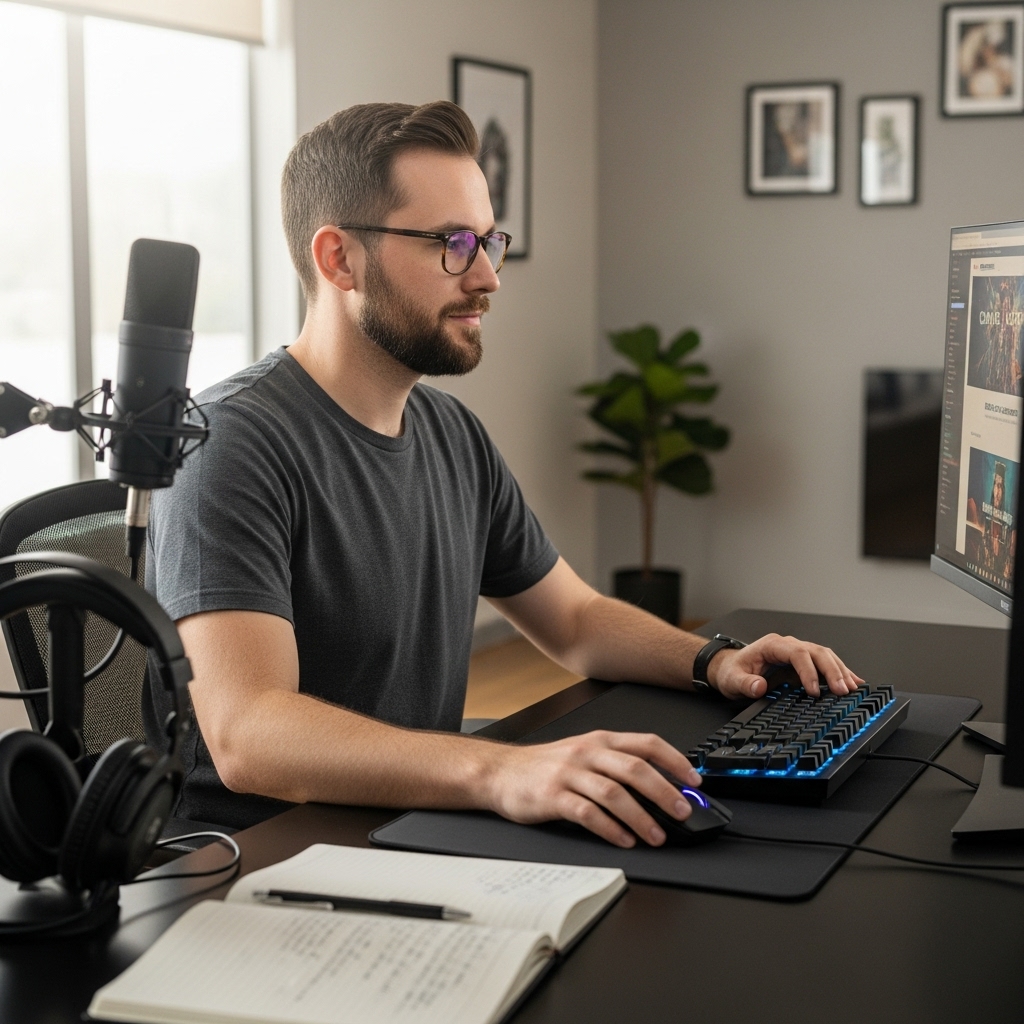
Proper cervical support often makes or breaks an all-night gaming or work session, especially when your neck tilts forward toward a display. Many standard racing-style seats feature fixed backrests or bulky neck pillows that push your cervical spine out of alignment rather than cradling it gently. Identifying the best gaming chair for neck pain comes down to evaluating adjustable headrests, flexible recline mechanisms, and targeted lumbar support. Whether you play on a console or sit at a desk equipped with an extended gaming mouse pad, your chair must match your body dimensions to keep your shoulders relaxed.
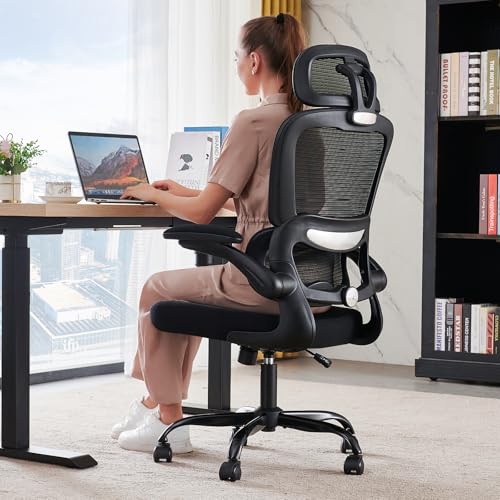
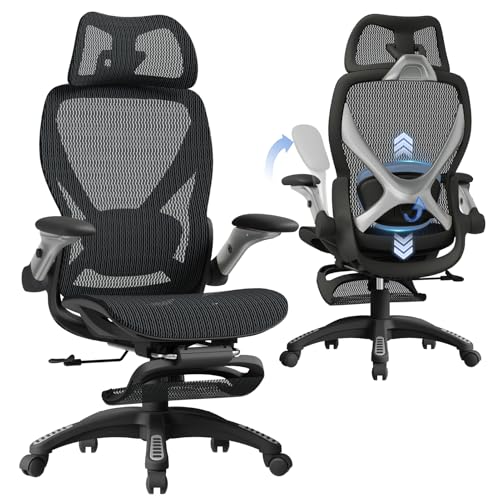
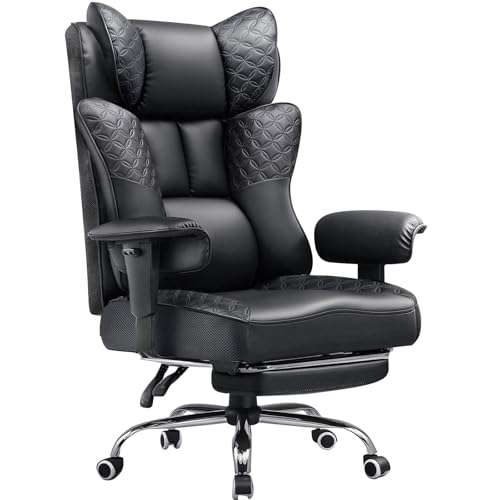
Manufacturers offer diverse designs ranging from high-tension mesh builds like the ELABEST X100 to deep pocket-spring foam cushions found on models from COMHOMA and NEO CHAIR. Seat height ranges, such as the 17.7-inch to 21.7-inch travel on the TRALT ergonomic chair, help ensure your feet stay flat on the floor so upper back tension does not travel up into your neck. Weight capacities also vary significantly, with heavy-duty frames supporting 300 to 400 pounds across big and tall options. Checking specifications like headrest height travel, tilt angles between 90 and 145 degrees, and padded armrests will help you pick a model that accommodates your daily routine without causing shoulder shrug.




Frequently Asked Questions
What headrest features matter most in a gaming chair for neck comfort?
An adjustable headrest that alters both height and tilt angle is crucial for cradling the natural curve of your cervical spine. Fixed pillows often push the skull forward, increasing strain across the upper trapezius muscles. Models with curved 3D mesh headrests or repositionable memory foam pillows allow you to place support directly behind the neck recess rather than behind the head.
How do armrest adjustments influence upper back and neck tension?
Height-adjustable armrests take the gravitational load off your shoulders, preventing the shrugging posture that directly causes neck stiffness. When your elbows rest comfortably at a 90-degree angle level with your desk, your neck muscles do not have to work constantly to support your arms while aiming with a wireless RGB gaming mouse. Chairs offering 3D or 5D flip-up arms provide the most flexibility for positioning close to your desk.
Why is lumbar support important when trying to relieve neck pain?
Spinal alignment begins at the pelvis and lower back, meaning a slouching lumbar region forces your upper back to round and your head to jut forward. A chair with adjustable lumbar depth, like the mechanism on the TRALT ergonomic chair, preserves the natural inward curve of the lower spine. Maintaining this base alignment helps keep your head balanced over your torso without excessive neck exertion.
Can reclining backrests help reduce neck fatigue during long sessions?
Backrests that recline between 100 and 135 degrees transfer a portion of your upper body weight onto the chair rather than your cervical spine. Leaning back slightly while using a supportive headrest unloads the spinal discs, offering a relaxing change of posture between matches. Models with extendable footrests also support your legs to evenly distribute pressure across your entire body.
How do I verify if a gaming chair seat dimensions will fit me properly?
Check the listed seat width and depth against your current chair, ensuring there is a two to four finger gap between the seat edge and the back of your knees. A seat depth that is too long prevents you from resting against the backrest, forcing you to perch forward without neck support. Comparing the seat height range against your lower leg length ensures your feet stay planted firmly on the floor.
Is breathable mesh or PU leather better for neck and back support?
Mesh provides elastic tension that contours directly to your back while promoting continuous airflow to prevent heat buildup. PU leather chairs, often paired with high-density foam or pocket springs, offer plusher cushioning that some users prefer for relaxed console gaming. Both materials can provide adequate support as long as the underlying frame and adjustable cushions keep your spine properly aligned.





Write Your Review
No reviews yet. Be the first to share your experience!