


Key Factors in Choosing a Computer Setup Chair
Desk height clearance and seat dimensions often dictate how comfortable a workstation feels during long computing sessions. Many players realize too late that rigid armrests don’t clear table edges or that deep seat pans strain their legs. Evaluating the best gaming desk chair options involves checking seat height, recline flexibility, and upholstery materials that hold up through daily use. Pairing the right chair with a solid pre-built gaming PC setup helps create a balanced space tailored for work and play.
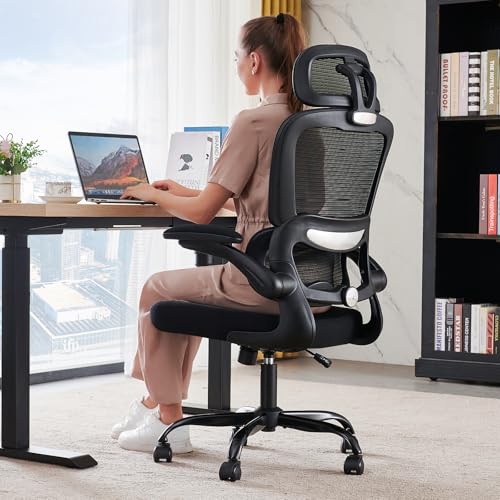
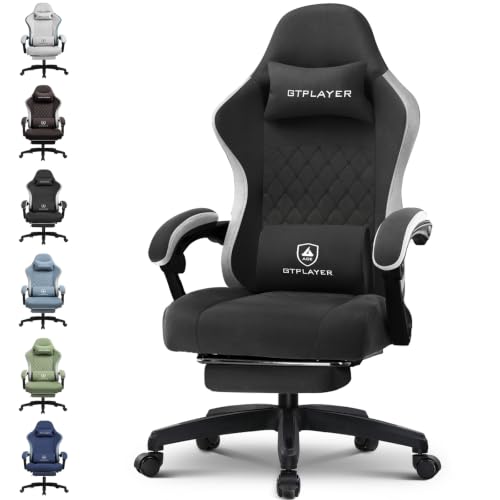
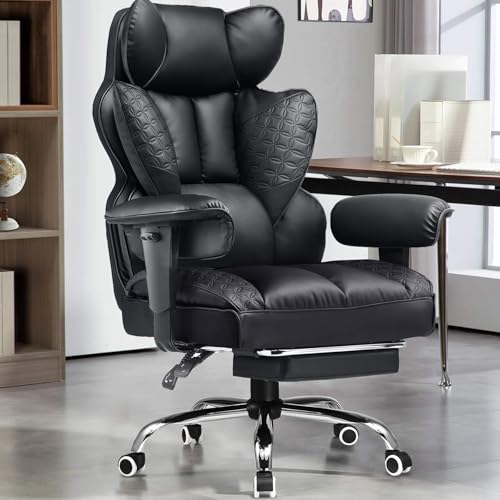
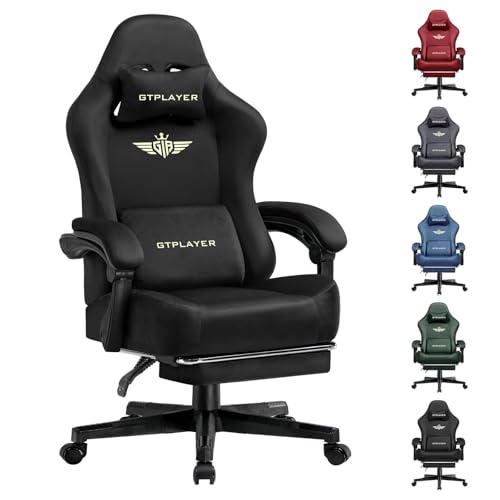
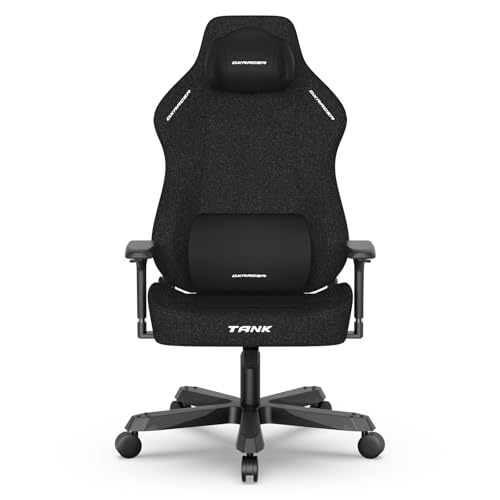
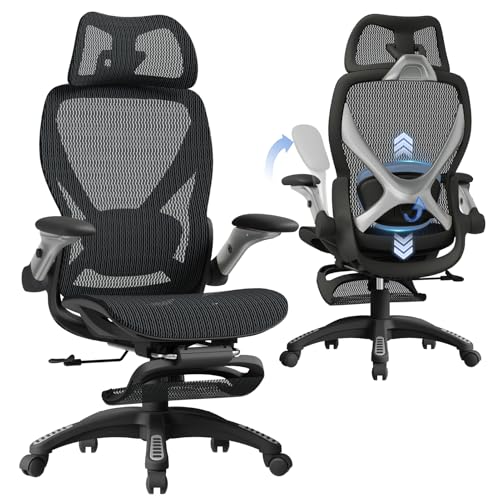
Different body types call for specific structural features, from breathable high-back mesh designs to thick pocket-spring cushions. Chairs with 3D armrests allow you to align your arms directly with your desk, while extendable footrests provide alternative seating angles. A well-proportioned seat complements your room just as much as a responsive PC keyboard during extended gaming marathons. Checking manufacturer dimensions and hardware ratings keeps your expectations grounded in realistic functionality.





Frequently Asked Questions
How do you determine if a gaming desk chair will fit your desk height?
Measure the distance from your floor to the underside of your desk before comparing seat measurements. Most computer tables stand between 28 and 30 inches high, requiring adequate seat height and armrest clearance. If armrests cannot drop low enough, you might sit too far back from your keyboard and budget PC monitor.
What is the practical difference between mesh and PU leather upholstery?
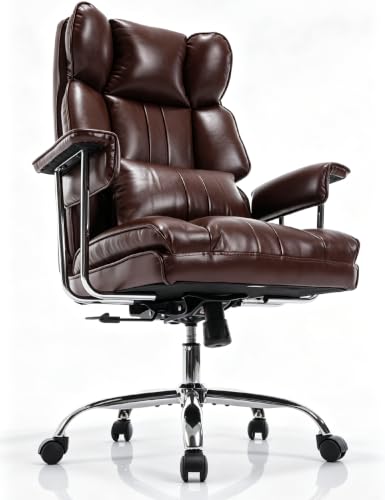
Airflow and cleaning requirements mark the main differences between these common materials. Mesh backrests promote continuous ventilation to limit heat buildup during warm gaming sessions. In contrast, PU leather models wipe clean quickly and offer padded softness, though synthetic leather retains more warmth over long periods.
Why are stated weight capacity ratings important when choosing a chair?
Weight capacity ratings reflect the structural strength of the gas cylinder, metal frame, and rolling base. Heavy-duty options rated for 330 to 400 pounds feature reinforced components and wider seat pans. Selecting a chair that matches your build prevents mechanical sinking and helps the frame hold up under regular use.
How do 3D armrests differ from fixed or linkage armrests?
Multi-directional 3D armrests move up, forward, and sideways to match your natural arm posture at a desk. Fixed armrests stay completely stationary, which can force your elbows into awkward angles. Linkage armrests automatically pivot backward as the backrest reclines, keeping your forearms supported when leaning back.
How does seat foam density impact long-term support?
High-resilience molded foam resists compression significantly better than standard low-density cushioning. Molded foam bounces back after long sessions, preventing you from feeling the hard seat base. When you spend hours seated at a prebuilt gaming system, high-density padding or pocket-spring cushions deliver far more consistent support.


Write Your Review
No reviews yet. Be the first to share your experience!