


Flimsy stock keycaps often wear down to a greasy shine within months, muting your board’s vibrant backlighting and ruining finger grip during intense matches. Standard thin ABS plastic easily traps oils, muddies switch sound profiles, and hides the radiant underglow built into modern mechanical switches. Installing the best gaming keyboard pudding keycaps solves this visual and tactile bottleneck by fusing a solid, textured top with a translucent milky base that maximizes light dispersion. Based on our detailed comparison of switch profiles, build materials, and user feedback, dual-layer translucent caps revitalize stock boards without forcing you to buy an entirely new deck.
Upgrading your deck with resilient doubleshot PBT keycaps ensures your printed legends won’t ever fade under heavy daily use. The crisp, oil-resistant surface keeps your fingertips locked into place whether you are crunching code or dialing in proper mouse DPI settings for gaming sessions. Most sets come in an ergonomic OEM profile, delivering comfortable key heights across standard R1 through R4 rows that reduce wrist fatigue over long sessions. Selecting quality caps from brands like Womier, HyperX, and HK Gaming gives your battlestation an immediate boost in both aesthetic flair and acoustic keystroke depth.


Frequently Asked Questions
Are pudding keycaps compatible with all mechanical keyboard switches?
Yes, pudding keycaps fit virtually any keyboard using standard Cherry MX switches or cross-stem MX clones. Sets from brands like HK Gaming and Womier feature universal cross-shaped mounting stems that snap securely onto Gateron, Kailh, Outemu, and TTC switches. Keep in mind that low-profile mechanical switches or proprietary membrane sliders won’t accommodate standard OEM profile cross stems.
How do doubleshot PBT pudding keycaps prevent key shine?
Double shot injection molding fuses two distinct layers of dense plastic under high temperature, creating a wear-resistant surface that never develops an oily gloss. Unlike cheap painted ABS plastic that rubs off from finger friction, thick doubleshot PBT retains its micro-textured grain through intense competitive play. The legends are molded directly through the top layer, meaning characters will never wear off or discolor over time.
Will the best gaming keyboard pudding keycaps fit non-standard bottom rows and European layouts?
Most modern pudding sets include extra modular keys to fit diverse bottom row configurations and European ISO layouts. While standard full-size, TKL, and 60 percent ANSI boards use a uniform 6.25u spacebar row, expanded sets like the 130-key kits from Womier include alternate Shift keys and ISO Enter keys. Always check your specific keyboard layout before mounting replacement keycaps to verify your bottom row spacing.
Do pudding keycaps change the acoustic sound profile of mechanical switches?
Yes, the dual-layer plastic structure produces a slightly deeper, more muted acoustic bottom-out sound compared to thin ABS alternatives. The dense PBT material absorbs high-pitched clatter, giving linear and tactile switches a cleaner, more solid keystroke resonance. This sound dampening effect pairs especially well when you game late at night using reliable wireless gaming headphones to isolate surrounding audio.
Why are pudding keycaps popular for RGB gaming keyboards in 2026?
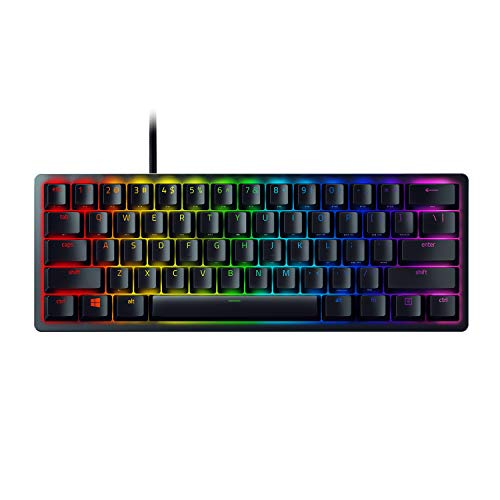
Pudding keycaps feature dual-layer sides with a frosted translucent milky base that diffuses RGB lighting across the entire keyboard deck. Instead of restricting light bleed to the engraved legends alone, these caps allow the per-key backlighting to spread outward like a glowing neon grid. Gamers aiming to maximize their desk aesthetics in 2026 find that translucent sidewalls turn even modest LED diodes into brilliant, immersive light displays.
What is the best method to remove stock caps and install pudding keycaps?
You should always use an included wire keycap puller rather than plastic ring tools to prevent scratching the cap borders during removal. Gently slide the wire prongs beneath opposite corners of each key, pull straight upward with steady pressure, and press your new pudding keycaps straight down onto the switch stems until they seat firmly. Taking care around delicate stabilizer wires on larger keys like the spacebar and Shift prevents accidental damage to the keyboard plate.




Write Your Review
No reviews yet. Be the first to share your experience!