

Setting up a dedicated workspace often reveals that an ordinary kitchen chair or worn desk seat causes fatigue during longer sessions. Determining what is a good gaming chair comes down to understanding how physical frame dimensions, padding resilience, and adjustable components interact with your specific body type. Rather than chasing flashy aesthetics, smart shoppers focus on reliable lumbar support and stable base construction that matches their daily routine. Pairing a reliable seat with budget desk accessories can quickly transform an uncomfortable workstation into an efficient, functional environment.
Shoppers encounter hundreds of competing options, ranging from racing-inspired high-back models to breathable mesh office chairs adapted for desk work. Sorting out which features provide tangible comfort requires looking past marketing buzzwords and examining concrete specifications such as seat depth, gas lift certifications, and recline mechanisms. A quality chair accommodates your posture throughout the day while fitting neatly within your available floor space and desk height. Evaluating verified manufacturer details and warranty coverage helps you make an informed investment without relying on guesswork.




Evaluating What Makes a Gaming Chair Worth Buying
Defining what is a good gaming chair requires separating visual styling from mechanical quality and posture support. A chair that looks impressive on a live stream may lack the foundational cushioning, adjustability, or structural durability necessary for extended sitting sessions. A truly worthwhile seat supports natural spinal alignment, adapts to your unique body dimensions, and withstands daily movement without premature component degradation. Exploring the core engineering aspects of modern seating helps you determine exactly which build style suits your daily gaming and desk work.
Essential Ergonomics and Spinal Alignment Mechanics
Proper spinal support serves as the baseline requirement for any effective desk seat. The human spine naturally forms an S-curve that requires consistent contact along the cervical and lumbar regions to avoid unnecessary muscle strain. Quality chairs incorporate either contoured backrests or specialized lumbar cushions designed to maintain this curvature while you sit upright. When a backrest forces the spine into an unnatural slouch or pushes the shoulders forward, fatigue develops rapidly during extended play.
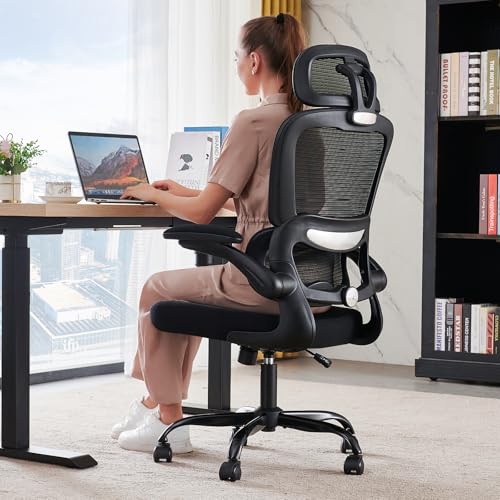
Lumbar support mechanisms vary widely across modern designs, ranging from basic strap-on cushions to integrated adjustable depth dials. Some chairs utilize external lumbar pillows that slide along elastic straps, allowing users to position the cushion exactly where their lower back needs reinforcement. Other designs, like the TRALT ergonomic desk chair, feature mechanical lumbar systems that adjust in depth to match individual spinal contours without slipping out of place. Removable headrest pillows provide additional utility by supporting the neck during reclined breaks, though they should never push your head awkwardly forward when sitting upright.
Seat Cushion Architecture: Foam Density and Spring Systems
The internal construction of the seat cushion determines whether a chair remains supportive or flattens out after several months of use. Inexpensive chairs frequently cut corners by utilizing low-density, cut-slab sponge that bottoms out under normal body weight, transferring pressure directly to the hip bones. Superior seats employ high-density, cold-cured or high-resilience molded foam that retains its elasticity and spring-back properties over thousands of compression cycles. This resilient foam distributes your body weight across a broader surface area, preventing concentrated pressure points from developing along the thighs.
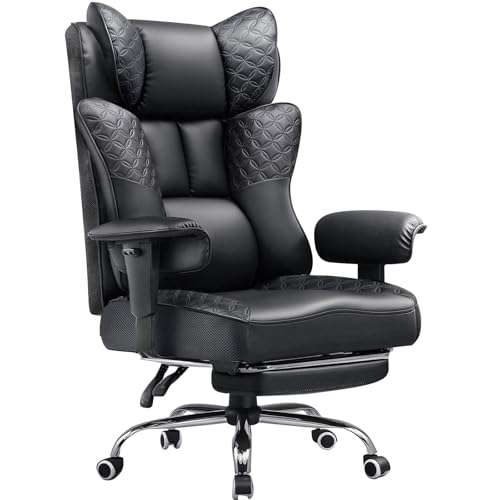
Certain models combine high-density foam layers with internal steel pocket springs, borrowing construction principles directly from premium sofa designs. For example, chairs like the JECQCUPG video gaming model integrate individual pocket coils beneath layers of responsive foam to deliver a plush initial sit that does not collapse under sustained weight. This hybrid construction prevents the deadening sensation common with firm foam while ensuring the user never contacts the hard base plate underneath. Checking whether a manufacturer specifies high-resilience molded foam or reinforced coil structures provides valuable insight into long-term cushion durability.
Seat Dimensions and Wingless Versus Bolstered Design
Evaluating physical seat dimensions is essential for ensuring that a chair physically fits your proportions. Racing-style gaming chairs often feature aggressive side bolsters along the seat base, inspired by automotive cockpits intended to hold drivers firmly in place during sharp turns. While these bolsters create an eye-catching aesthetic, they can severely restrict leg movement and pinch users with wider hips or larger frames. Narrow seats with pronounced side wings force your thighs together, limiting your ability to shift positions naturally throughout the day.
Modern ergonomic gaming chairs increasingly favor wingless seat designs that prioritize functional freedom over automotive imitation. Models like the Dowinx big and tall chair or the JECQCUPG gaming chair offer wide, flat seat cushions measuring over 50 centimeters across, giving users ample room to sit comfortably or even cross their legs. Beyond width, seat depth requires careful consideration to maintain healthy blood circulation in the lower extremities. The TRALT ergonomic model demonstrates this balance with a calibrated 17.3-inch depth and 19.7-inch width, leaving a beneficial two to four finger gap between the front cushion edge and the back of your knees.
Adjustability Range: Recline, Tilt, and Armrest Mechanics
Dynamic adjustability allows a gaming chair to transition smoothly between intensive competitive matches, relaxed casual play, and focused productivity. A versatile backrest should recline across several locked angles, typically moving from a 90-degree upright posture for typing to a relaxed 135-degree or 150-degree recline for reading or resting. Reliable tilt-lock mechanisms keep the backrest completely stable at your preferred angle without sudden slipping or mechanical play. Combining a smooth reclining mechanism with thoughtful room accessories, such as those reviewed in our ergonomic desk lighting reviews, helps create a flexible environment tailored for both late-night gaming and daily study.
Armrest design also plays a massive role in alleviating tension across the neck, traps, and shoulders. Basic seats often include static, fixed armrests that cannot adapt to different desk heights, forcing your shoulders to shrug upward or slump downward. Advanced models feature three-dimensional adjustable armrests, such as those found on GTPLAYER chairs, allowing adjustments for height, forward-backward positioning, and inward-outward rotation. Alternatively, models like the NIONIK gaming chair utilize synchronized linkage armrests that pivot automatically as the backrest reclines, ensuring consistent forearm support whether sitting straight or leaning back.
Upholstery Comparison: Breathable Mesh, Knitted Fabric, and PU Leather
Upholstery material directly influences everyday thermal comfort, ease of cleaning, and visual longevity. Polyurethane faux leather, commonly known as PU leather, represents the most popular covering on the market due to its sleek appearance and water-resistant qualities. PU leather wipes clean with a damp cloth and effectively repels accidental spills, making it convenient for users who consume drinks or snacks near their computer. However, standard synthetic leather lacks breathability, which can trap body heat and moisture during warm seasons or intense sessions.
Breathable mesh represents an excellent alternative for individuals prone to overheating or those working in warmer room environments. Mesh backrests, seen on models like the TRALT and PayLessHere computer chairs, promote continuous airflow that dissipates perspiration and prevents back warmth. Furthermore, high-tension mesh resists the flaking and peeling that can afflict aging budget faux leather over years of friction. For shoppers seeking a softer texture without the cold feel of synthetic leather, knitted fabric options, such as the Dowinx dark black model, provide enhanced breathability paired with a cozy, wear-resistant surface that stays comfortable in all seasons.
Structural Integrity, Cylinder Ratings, and Weight Limits
The hidden frame and mechanical hardware under the seat cushion determine overall stability and personal safety. Low-quality budget seating often relies on thin wooden boards and lightweight plastic bases that flex, crack, or squeak under stress. Dependable chairs utilize tubular steel internal frames paired with heavy-duty metal or reinforced nylon five-star bases capable of supporting 300 to 330 pounds. A wide base diameter prevents the chair from tipping forward when leaning over your desk or backward during a full recline.
The pneumatic gas cylinder functions as the heart of the chair’s height adjustment and vertical support system. Budget gas lifts may lose internal pressure over time, resulting in the annoying phenomenon where the chair slowly sinks downward during use. Looking for BIFMA-certified Class 3 or heavy-duty Class 4 cylinders, like those specified by TRALT and Dowinx, ensures reliable height retention across years of daily operation. Remember that a stated maximum weight capacity is an engineering rating for load bearing, not an absolute guarantee that the seat width or backrest height will feel comfortable for every body shape within that limit.
Gaming Chairs Versus Ergonomic Office Chairs
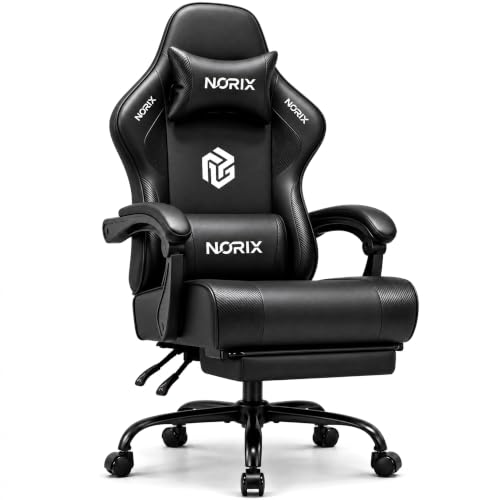
A common dilemma for shoppers involves deciding between a dedicated racing-style gaming seat and an ergonomic office task chair. Gaming-branded models excel at high-back support, generous recline angles, and bundled comfort accessories like neck rolls and footrests. They provide an immersive sitting posture that many controller and casual PC gamers appreciate when leaning back to play. Aligning your seating posture with your screen setup, as discussed in our dedicated high-performance monitor guide, highlights how eye level and spinal angle collaborate to reduce physical fatigue.
In contrast, ergonomic office chairs prioritize neutral posture correction, active lumbar mechanics, and open airflow. Models like the PayLessHere ergonomic mesh chair or the TRALT desk chair eliminate aggressive side wings, providing a minimalist profile that fits effortlessly under conventional desks. These office designs often fit mixed workspaces better where professional video calls, typing, and mouse-intensive gaming happen in the same room. Choosing between the two formats ultimately depends on whether you value deep recline and full-body cradling or active postural support and maximum breathability.
Footrests, Massage Cushions, and Practical Accessories
Many modern gaming chairs incorporate auxiliary convenience features designed to enhance relaxation during downtime. Retractable footrests pull out smoothly from beneath the seat pan on models from brands like NIONIK, HELXQEXB, and GTPLAYER, elevating your legs to relieve lower-limb pressure when reclined. While an extendable footrest adds noticeable comfort when watching movies or playing with a gamepad, ensure its support rods feel rigid and do not flex excessively under your calves.
Vibrating or massage lumbar pillows represent another popular add-on powered through a standard USB connection. While these small vibrating motors do not replace professional therapy or high-end mechanical massage mechanisms, they offer gentle sensory stimulation that some users find pleasant during pauses in work. Additionally, smooth 360-degree swivel mechanisms and quiet polyurethane or rubberized casters protect delicate hardwood flooring while facilitating effortless gliding across low-pile carpets. Assessing these extra features against your personal habits ensures you do not pay for novelty accessories that you rarely deploy.
Assembly Simplicity, Warranties, and Long-Term Upkeep
Unpacking and assembling a new chair should be an organized, stress-free process that establishes long-term mechanical stability. Most manufacturers supply the necessary Allen wrenches, hardware screws, and illustrated instruction booklets, with typical setup times ranging between 15 and 30 minutes. To prevent creaks and wobbles, thread all bolts loosely into their matching holes before gradually tightening them in a balanced, diagonal sequence. Checking and re-tightening these frame screws every six months prevents structural loosening caused by everyday tilting and shifting.
Before finalizing any purchase, carefully examine the seller’s return window, shipping terms, and manufacturer warranty coverage. Reliable brands such as GTPLAYER and Dowinx outline explicit 30-day return or replacement policies alongside one-year repair guarantees on structural parts. Having direct access to replacement gas cylinders, casters, or tilt mechanisms protects your investment should an individual component fail prematurely. Keeping your receipt and reviewing the terms of warranty service guarantees that your seating solution remains functional and secure over its entire operating lifespan.
Determining what is a good gaming chair ultimately requires matching verified physical dimensions and mechanical features to your personal body type and daily usage demands. By prioritizing high-resilience foam, certified gas cylinders, adaptable armrests, and appropriate upholstery over flashy styling, you ensure lasting comfort and dependable posture support. Take accurate measurements of your workspace, confirm the adjustment ranges of your chosen model, and select a seat engineered to support both your productivity and your favorite games.





Write Your Review
No reviews yet. Be the first to share your experience!