


Key Proportions and Frame Dimensions for Taller Gamers
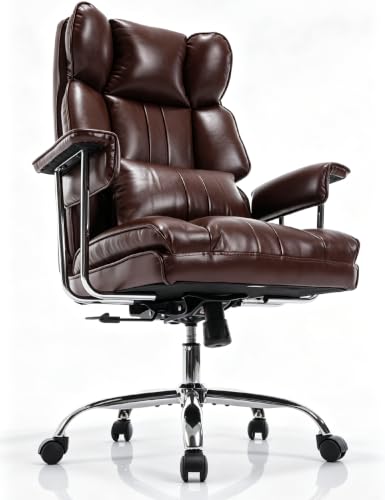
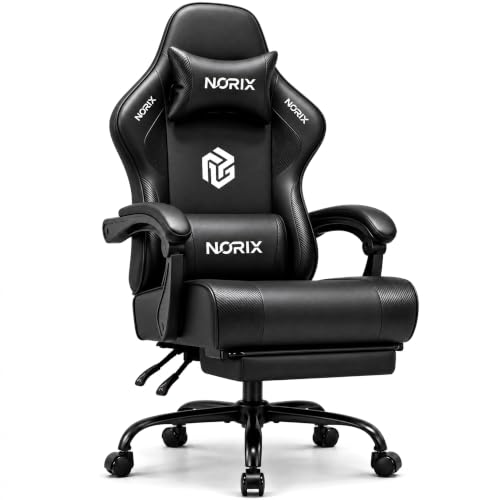
Standard desk seating often leaves longer limbs cramped and shoulder arches pressing awkwardly against your upper back. When backrests stop below neck height or seat pans lack sufficient depth, staying focused through long PC sessions gets frustrating quickly. Evaluating the best gaming chairs for tall people means looking closely at manufacturer specifications like backrest height, seat width, and stated weight capacity. Options with generous recline ranges and wider bases help ensure you do not feel wedged between restrictive side wings. If you need extra lower-back positioning on a standard seat pan, trying separate gaming chair cushions for added support can bridge the gap.
Stated frame capacities across big and tall models frequently span from 299 to 500 lbs, incorporating reinforced steel bases and Class-3 or Class-4 gas lifts. Upholstery choices also matter for daily maintenance, ranging from smooth PU leather to temperature-regulating microsuede fabric. Practical features like pocket spring seat bases, extendable footrests, and adjustable armrests give you flexible ways to change your posture. Checking dimensions like seat depth and armrest clearance against your desk setup prevents surprises before assembling heavy-duty seating.




Frequently Asked Questions
What backrest height should tall users look for in a gaming chair?
Taller users generally benefit from backrests measuring at least 32 inches to ensure proper upper back and neck contact. When a backrest is too short, integrated headrests press into shoulder blades instead of cushioning the head. Models such as the Dowinx Big and Tall chair list backrest heights around 32.7 inches, accommodating users up to 6 feet 5 inches. Checking these measurements against your sitting torso height helps you avoid awkward neck angles.
How does seat width and depth impact tall gamers?
A seat cushion width of at least 21 inches provides adequate thigh clearance without pressing your legs against raised side wings. Generous seat depth also supports your thighs, keeping knees at a comfortable 90-degree angle. Designs like the Razer Iskur V2 X utilize a wider seat base and flatter shoulder arches to accommodate various sitting positions. Verifying seat dimensions before buying ensures your legs remain properly supported.
What stated weight capacity is typical for heavy-duty gaming chairs?
Heavy-duty gaming chairs typically specify maximum load capacities between 300 and 500 lbs. Manufacturers achieve these ratings by utilizing thickened steel frames, reinforced metal bases, and Class-3 or Class-4 gas lift cylinders. For example, the Stella Mia chair lists a 500 lb limit, while options from GTPLAYER and LEMBERI list 400 lb capacities. Selecting a chair with a rating well above your weight provides stability and prevents cylinder sinking.
How do upholstery materials affect comfort during long gaming sessions?
Upholstery materials influence breathability, tactile feel, and cleaning requirements during extended desk work. Smooth PU leather wipes clean easily with a damp cloth, though it may trap body heat in warmer rooms. In contrast, microsuede fabric or cool-touch synthetic materials offer softer, breathable surfaces. If heat buildup is a major concern, researching gaming chair fabrics for warm rooms can help guide your material selection.
Why are adjustable armrests important for taller desk setups?
Adjustable armrests allow you to align your elbows with your desk surface to reduce shoulder tension while typing or using a mouse. Fixed armrests often sit too low for tall users or collide with desk edges, preventing the chair from rolling forward. Multi-directional options, such as 5D armrests on the Stella Mia chair or 2D adjustments on the Razer Iskur V2 X, let you modify height, angle, and depth. This flexibility keeps your arms supported in upright or reclined positions.




Write Your Review
No reviews yet. Be the first to share your experience!