
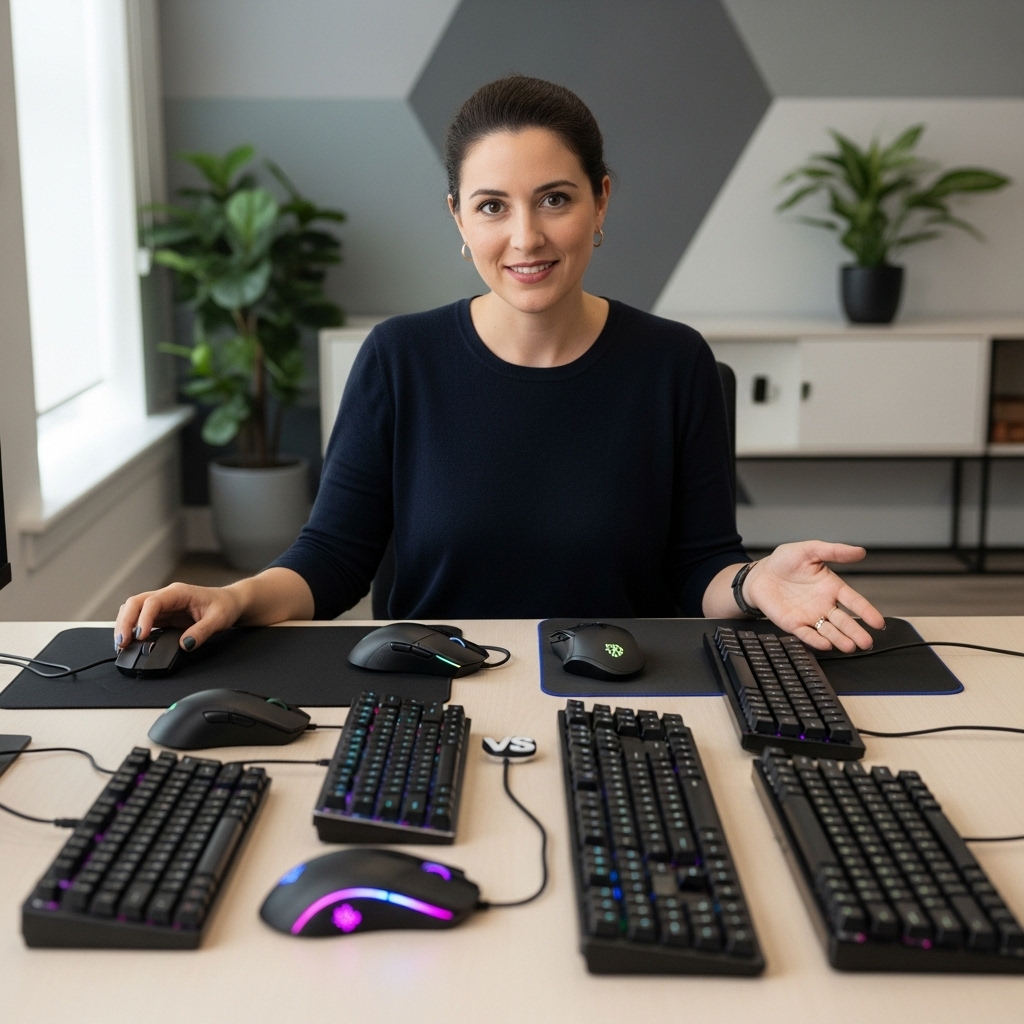

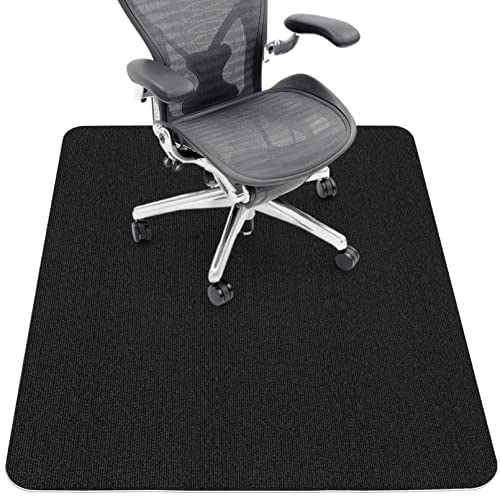
Heavy caster wheels on a gaming chair can quickly grind debris into wood, scuff tile glazes, or shred rugs during long sessions. Rolling back and forth between monitors or shifting posture exerts localized pressure that bare hard floors don’t absorb over time. Adding the best floor mat for gaming chair setups creates a smooth barrier that spares floor finishes while dampening rolling noise. Just as players protect their desk with a precision extended gaming mouse pad, placing a dedicated heavy-duty floor protector underneath your casters prevents stubborn scuffs.
Selecting the right mat depends on your floor type, as smooth backings slip on rugs while pointed carpet studs damage hardwood finishes. Mats in this lineup range from compact 48 by 36 inch mats to expansive 84 by 57 inch sheets built for wide battle stations. Features like anti-slip rubber backing, textured gliding surfaces, and waterproof materials dictate whether your casters roll freely or drag during daily movement. Comparing these specific traits helps you match the proper grip and dimensions to your setup before buying.


Frequently Asked Questions
How do you distinguish between carpet mats and hardwood floor mats?
Check the underside of the mat before buying. Carpet protectors, such as the Vicwe Office Chair Mat for Carpet, feature cleated studs that anchor into low-pile carpet fibers. In contrast, hard floor mats use smooth, high-friction TPR or textured rubber backings that grip wood, tile, or laminate without scratching the surface.
What dimensions should you look for to match your gaming desk setup?
Measure your chair’s rolling range and desk clearance. Standard 48 by 36 inch mats accommodate basic movement in compact workspaces. For multi-monitor desks or setups combining PC gaming with a wireless keyboard and mouse for couch gaming layout, dimensions like 60 by 46 inches or 84 by 57 inches provide full coverage without caster drop-off.
How do you flatten a rolled floor mat after unboxing?
Unroll the mat onto a flat floor and place heavy items like books or weights on the curled corners. Most PVC and polyethylene models relax within twenty-four to forty-eight hours as room temperature softens the material. You can also warm edges with a hairdryer on low heat to speed up flattening.
Can you use a vacuum cleaner to maintain woven or textured chair mats?
Regular vacuuming or sweeping works well for woven polyester and textured PVC surfaces. Do not clean these mats in a washing machine, as agitation can damage edge stitching or ruin the rubber backing. Spills wipe clean with a damp cloth or mild soap on waterproof surfaces.
Does a chair mat prevent caster noise during late-night gaming?
A dense floor mat acts as a sound-dampening buffer between rigid plastic wheels and hard flooring. Materials like woven PVC, TPR, and polyester absorb rolling vibrations, cutting down on harsh scraping sounds over tile or hardwood. While casters still click, floor rumble is noticeably reduced.
How do adhesive backings differ from textured rubber backings?
Adhesive mats use a peel-off film that grips sealed hard floors securely without leaving residue. Rubber-backed mats rely purely on textured friction and chair weight to stay put. Both designs prevent bunching under rolling casters, though adhesive styles require a clean, dry, non-porous floor.




Write Your Review
No reviews yet. Be the first to share your experience!