


Budget Gaming Seating That Fits Your Space
Standard desks and tight setups often leave little room for bulky racing seats with aggressive side wings that pinch your thighs. Checking listed dimensions, seat widths, and base clearance helps you find a frame that provides adequate space without overwhelming your room. If you want the best gaming chair for 100, reviewing exact cushion measurements and construction details makes a major difference before purchasing. Many budget options balance ergonomic lumbar support with compact proportions so you can sit comfortably without crowding your desk. You can also pair your setup with supportive seating accessories for extra padding during longer sessions.
Entry-level seating features have expanded beyond basic foam blocks and fixed plastic armrests. Many models now incorporate pocket spring cushioning, retractable footrests, and reclining backrests that adjust between 90 and 150 degrees. Looking at user weight ratings alongside steel frame specifications lets you select a seat built for dependable daily stability. You can also consult practical guides for gaming chairs to compare how different body types match up with various seat widths. Taking time to verify these details early prevents wobble and cushion sagging later on.




Frequently Asked Questions
What seat width should you look for in a budget gaming chair?
Usable seat width between side bolsters matters more than total cushion width. Models like the JECQCUPG Video Gaming Chair for Adults feature a 51cm wingless seat that lets you sit cross-legged, while traditional racing styles narrow down to 375mm. Flat seat cushions provide more flexibility for wider hips. Always check listed seat dimensions against a chair you currently use comfortably.
Can chairs in this price range support heavier users reliably?
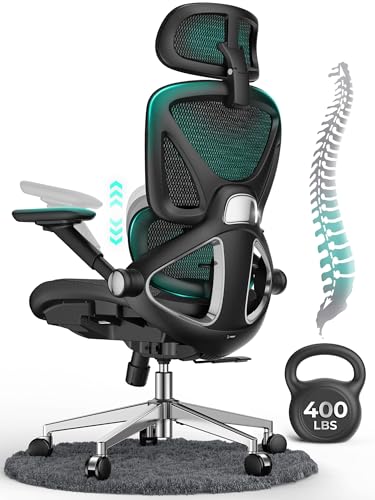
Several models provide reinforced frames and heavy-duty load capacities. For example, the LEMBERI Big and Tall Gaming Chair lists a 400-pound maximum weight capacity supported by a heavy-duty metal base and a Class-4 gas lift. Check manufacturer specifications for steel frame thickness and cylinder ratings before deciding. A reinforced steel base offers much more stability than lightweight nylon.
How do synchronized linkage armrests differ from 3D armrests?
Linkage armrests connect the backrest to the seat base, automatically adjusting as you recline between 90 and 135 degrees. In contrast, 3D armrests on models like the GTPLAYER Gaming Chair with Footrest adjust up, down, and inward or outward independently. If you need armrests level with your desk, 3D armrests offer better height customization.
How do pocket springs compare to standard foam cushions?
Pocket springs distribute body weight across individual metal coils beneath a foam layer, similar to sofa construction. Chairs like the N-GEN GAMING Big & Tall Gaming Chair use this design to reduce pressure points during long sessions. Standard foam cushions rely solely on foam density, which can flatten faster over time. Combining pocket springs with high-density foam helps maintain cushion shape. You can also compare chairs engineered for back support to explore different supportive structures.
Will gaming chair casters damage wood or tile floors?
Floor protection depends on caster materials and surface hardness. Most gaming chairs include nylon or PU-edged wheels, but using a dedicated protective floor mat for gaming chairs prevents scuffs on hardwood surfaces. Soft rubber casters roll more quietly and reduce scratching risks on hard floors. Checking wheel specifications helps you decide whether you need an aftermarket mat.




Write Your Review
No reviews yet. Be the first to share your experience!