


Color precision, panel uniformity, and desktop workspace often make or break visual creative work. When your screen shows inaccurate tint or crushed shadows, your color grading and graphic assets won’t match across other devices. Identifying the best monitor for editing requires balancing pixel density, factory calibration, and comfortable viewing angles. We evaluate listed display specifications, manufacturer test documentation, and shopper feedback so you can compare options without guesswork. If you also write code alongside media work, reviewing displays built for programming workflows helps show how aspect ratio affects daily tasks.
Screen size and connectivity also shape daily workflow, especially if you juggle multiple video timelines or use modern USB-C laptops. A sharp 4K canvas or wide 1440p IPS screen provides needed workspace, while 100% sRGB or Calman verification keeps hues predictable. Extended studio sessions can strain your eyes, which is why displays designed like monitors for eye strain reduction feature blue light filtering. Factoring in color gamut coverage and ergonomic adjustability helps you select the right display for your creative goals.

Pros
- Smooth 100Hz refresh rate and 1ms response for responsive gameplay.
- Rich color reproduction with 100% sRGB for vibrant visuals.
- Multiple connectivity options including DisplayPort and two HDMI ports.
- Frameless bezel design fits well in multi-monitor arrays or tight desk setups.
- Included VESA mount support allows flexible placement options.
Cons
- Built-in speakers are adequate for basic use but lack bass and volume for immersive gaming.
- Stand offers tilt only, no height adjustment or swivel, so an aftermarket arm may be needed for ergonomic setups.
- 100Hz refresh rate is a step up from 60Hz but not as high as 144Hz monitors preferred by competitive esports players.
The Sceptre E275W-FW100T is a 27-inch gaming monitor that hits a sweet spot for PC gamers who want a smooth, vivid display without breaking the bank. With a 100Hz refresh rate and 1ms response time, this monitor handles fast-paced action in FPS games like Call of Duty or Valorant with minimal blur. The 100% sRGB color gamut ensures that every game world pops with accurate, rich colors, making it a strong option for both casual gamers and content creators who need decent color accuracy for light editing work.
This monitor is best suited for budget-conscious PC gamers, casual gamers, college students building their first rig, or streamers looking for an affordable secondary display. The inclusion of AMD FreeSync helps reduce screen tearing when paired with compatible AMD graphics cards, delivering a smoother experience during intense gameplay. The built-in speakers are a nice convenience for quick sessions, though you will likely want a dedicated headset or external speakers for immersive audio during long streams or multiplayer sessions.
In terms of build quality, the frameless design gives it a modern look and works well in multi-monitor setups where thin bezels minimize distractions. The stand is functional but basic, offering only tilt adjustment, so you may need to invest in a VESA mount or monitor arm for better ergonomics and desk organization. The monitor itself is lightweight at just over 7 pounds, making wall mounting straightforward. Cable management is a bit limited with the stock stand, but the VESA mount option helps keep things tidy.
Setup is plug-and-play: connect via DisplayPort for the full 100Hz, and the monitor automatically detects the signal. The on-screen display menus include FPS and RTS game modes that tweak contrast and brightness for specific genres, plus a Blue Light Shift feature to reduce eye fatigue during late-night gaming. While the monitor lacks a USB hub or advanced software customization, the hardware controls are easy to navigate. Maintenance is minimal, just occasional dusting of the matte screen.
A realistic limitation is the 100Hz refresh rate, which is a noticeable upgrade from standard 60Hz monitors but not as high as 144Hz or 240Hz panels favored by competitive esports professionals. However, for the price, this is a fantastic value. The built-in speakers are also basic they work fine for system sounds or casual YouTube watching, but don't expect rich audio for gaming. If you prioritize sound quality, plan to use a separate audio solution.
Overall, the Sceptre E275W-FW100T is a practical choice for gamers who want a larger 27-inch screen with smooth motion and great colors without spending a fortune. It works well as a primary monitor for casual to mid-level competitive gaming, as a secondary display for streamers, or as a budget-friendly option for a home office setup that also handles light gaming. If your budget allows only one monitor upgrade and you value high refresh rates, this monitor delivers where it counts.
The 100Hz refresh rate and 1ms response time on the Sceptre E275W-FW100T provide a noticeable lift in responsiveness over standard 60Hz monitors. In fast-paced games like Apex Legends or Rocket League, motion looks smoother and ghosting is minimal. AMD FreeSync further refines the experience by synchronizing the monitor's refresh rate with your GPU, reducing stutter and tearing without adding input lag. The dedicated FPS and RTS modes adjust brightness and contrast to highlight details in dark corners or keep the UI crisp in strategy games, giving you a small competitive edge in your favorite titles.

Pros
- 144Hz refresh rate for smooth gaming performance at a very competitive price.
- Built-in speakers eliminate need for external audio for basic use.
- Minimal bezels make for an immersive multi-monitor experience.
- Blue-Light Shift helps reduce eye fatigue during long sessions.
Cons
- Only 22-inch screen may feel small for immersive single-monitor gaming.
- Built-in speakers typically lack depth and volume for serious gaming audio needs.
- No VESA mount support mentioned, limiting desk mounting options.
The Sceptre E225W-FW144 Series is a 22-inch Full HD gaming monitor built for gamers who prioritize smooth performance on a tight budget. With a 144Hz refresh rate and 1080p resolution, this display offers a noticeable upgrade over standard 60Hz office monitors, especially in fast-paced games like Call of Duty, Valorant, or Apex Legends. The combination of HDMI and DisplayPort inputs makes it easy to connect to most modern gaming PCs or laptops, and the integrated speakers provide basic audio without needing extra gear on your desk.
This monitor is best suited for casual gamers, competitive players looking for a low-cost secondary screen, and college gamers setting up a dorm room battle station. The 22-inch size keeps the desk footprint small, and the nearly bezel-free design means it pairs well in a dual-monitor arrangement for streaming or productivity. Gamers who play mostly esports titles will appreciate the 144Hz responsiveness, which helps reduce motion blur and gives a slight edge in competitive play.
Build quality is typical for this price range a lightweight plastic frame that feels sturdy enough for desk use but not rugged for frequent moves. The Blue-Light Shift feature is a practical addition for those who game or work late, as it filters some harmful blue light and may reduce eye fatigue over time. The stand offers basic tilt adjustment, but you won't find height, swivel, or pivot options, which is expected at this price point.
Setup is straightforward: attach the stand, plug in power and video cable, and the monitor is ready to go. The on-screen display (OSD) menus are simple to navigate for adjusting brightness, contrast, and gaming presets. Cable management is minimal since there are no integrated routing channels, but the compact size keeps wires from getting too messy.
One realistic limitation is the lack of VESA mounting support, so you cannot easily attach this monitor to an arm or wall mount. Also, the built-in speakers are functional but won't satisfy gamers who want rich sound for immersion or crisp audio for competitive footstep detection. Most users will want to pair this monitor with a dedicated gaming headset or external speakers.
Overall, the Sceptre 22-Inch 144Hz Monitor is a solid choice for budget-minded PC gamers, streamers needing a secondary display, or anyone building a cost-effective gaming setup. It delivers the essential performance needed for smooth 1080p gaming without the premium price. If you're focused on high-refresh-rate gameplay and keeping your budget in check, this monitor is worth considering for your desk.

Pros
- High 4K resolution and 120Hz refresh rate for smooth, detailed visuals in games and media.
- AMD FreeSync Premium reduces screen tearing and stutter for responsive gameplay.
- ComfortView Plus minimizes eye strain during extended use, ideal for long gaming or work sessions.
- Built-in speakers with improved sound quality eliminate the need for external speakers in casual setups.
- Sleek ash white design with ultra-thin bezels enhances desk aesthetics and fits well in modern gaming rooms.
Cons
- Limited to 120Hz refresh rate, which may not satisfy competitive gamers seeking higher refresh rates like 144Hz or 240Hz.
- Integrated speakers, while improved, may lack bass and volume compared to dedicated external speakers or gaming headsets.
- Ash white finish may show dirt or smudges more easily than darker colors, requiring occasional cleaning.
The Dell 27 Plus 4K Monitor (S2725QS) is a 27-inch IPS display that blends high-resolution visuals with smooth performance, making it a versatile option for PC gamers, streamers, content creators, and everyday users. With a 4K (3840x2160) resolution and a 120Hz refresh rate, this monitor delivers sharp details and fluid motion, whether you're exploring open-world games, editing 4K video, or watching movies. The inclusion of AMD FreeSync Premium further enhances the experience by reducing screen tearing and stutter, ensuring a responsive and immersive gameplay session.
This monitor is best suited for a wide range of users. Casual and competitive gamers will appreciate the 120Hz refresh rate and FreeSync support, which provide smooth visuals in fast-paced titles like FPS and MOBA games. Streamers and content creators can benefit from the 4K resolution and 99% sRGB color coverage, ensuring accurate colors for video editing, graphic design, or live streaming on platforms like Twitch or YouTube. Additionally, work-from-home professionals and college gamers will find the ComfortView Plus feature valuable, as it reduces blue light emissions by up to 35% without sacrificing color accuracy, making long study or work sessions more comfortable.
In terms of real-world performance, the Dell S2725QS excels in visual clarity and responsiveness. The IPS panel offers wide viewing angles and vibrant colors, while the 1500:1 contrast ratio provides decent depth for dark scenes. The 0.03ms response time (though likely a typo for MPRT) ensures minimal ghosting, keeping fast-moving objects sharp. The integrated speakers have been re-engineered to deliver more detailed audio with greater output power and frequency response, which is a noticeable upgrade over previous Dell monitors. While not a substitute for a dedicated gaming headset or external speakers, they are sufficient for casual gaming, video calls, or background music.
Build quality is solid, with a sleek ash white finish and ultra-thin bezels that give the monitor a modern, minimalist look. The stand is sturdy and offers tilt adjustment, though height and swivel adjustments are not mentioned, which might be a limitation for some users. The monitor's dimensions (7.89 x 24.08 x 15.3 inches) and weight (14.26 pounds) make it relatively compact for a 27-inch 4K display, fitting well on most desks. Connectivity options are not fully detailed in the specs, but typical Dell monitors include HDMI and DisplayPort inputs, along with USB ports, which should cover most gaming and productivity setups.
Setting up the Dell S2725QS is straightforward, with plug-and-play functionality and easy on-screen display controls. The ComfortView Plus feature can be toggled on for reduced eye strain, and the FreeSync Premium works seamlessly with compatible AMD graphics cards. One realistic limitation is the 120Hz refresh rate, which may not satisfy competitive esports players who prefer higher refresh rates like 144Hz or 240Hz for maximum responsiveness. Additionally, the integrated speakers, while improved, lack the bass and immersion of dedicated audio solutions, so serious gamers and streamers will likely want to use a gaming headset or external speakers.
Overall, the Dell 27 Plus 4K Monitor is a strong choice for PC gamers, streamers, and content creators who want a balance of 4K clarity and smooth 120Hz performance. Its eye-care features and improved audio make it practical for long sessions, while the sleek design enhances any gaming setup. If you prioritize high refresh rates for competitive gaming, you might look elsewhere, but for most users seeking a versatile 4K monitor for gaming, work, and entertainment, this Dell model offers excellent value.


Pros
- Sharp 4K resolution paired with a smooth 120Hz refresh rate for a balanced mix of detail and responsiveness
- Excellent color accuracy with 99% sRGB and 95% DCI-P3, suitable for photo/video editing alongside gaming
- ComfortView Plus offers effective blue light filtering without a yellow tint, beneficial for all-day use
- Built-in speakers deliver noticeably better sound than typical monitor speakers, handy for casual gaming or video calls
Cons
- 120Hz refresh rate is adequate for most gamers but may not satisfy competitive esports players who prefer 144Hz or higher
- VA panel has limited viewing angles compared to IPS, with slight color shift when viewed from the side
- Product is newly listed with no user reviews yet, so real-world reliability feedback is unavailable
The Dell 32 Plus 4K Monitor (S3225QS) is a 31.5-inch VA panel display that aims to bridge the gap between work and play. With a native 4K (3840x2160) resolution and a 120Hz refresh rate, it offers a step up from standard 60Hz office monitors while still keeping things accessible for gamers who prioritize visual fidelity over extremes in speed. AMD FreeSync Premium support ensures tear-free gameplay when paired with compatible GPUs, making it a practical pick for PC gamers who play a mix of single-player adventures, open-world titles, or competitive games like MOBAs and shooters.
This monitor is best suited for casual to mid-level gamers, streamers, content creators, and anyone who spends long hours in front of a screen. The VA panel delivers a 1500:1 contrast ratio, which means deeper blacks and better shadow detail than most IPS panels — a real advantage for dark scenes in horror games or cinematic cutscenes. Color coverage is strong at 99% sRGB and 95% DCI-P3, so photo editors and video creators can rely on decent out-of-box accuracy without needing calibration. The 120Hz refresh rate (with up to 120Hz over HDMI or DisplayPort) provides noticeably smoother motion than standard 60Hz, though competitive esports players who chase 240Hz or higher may want to look elsewhere.
Build quality is solid with a sleek ultra-thin bezel design and an ash white finish that stands out among the typical black monitors. The stand offers tilt adjustment but lacks height or swivel, so you may want to consider a VESA mount (100x100mm) for better ergonomics. ComfortView Plus is a standout feature — it reduces blue light emissions to ≤35% while keeping colors natural, a big plus for late-night gaming or long editing sessions. Dell also upgraded the built-in speakers with higher output and deeper frequency response; they’re perfectly fine for casual YouTube or Discord calls, but serious gamers and streamers will still want dedicated headphones or external speakers for immersive audio.
Setting up the monitor is straightforward. Connectivity includes HDMI 2.1 (supports 4K at 120Hz) and DisplayPort, plus USB ports (likely USB-B upstream plus downstream — though not fully detailed in specs). Cable management through the stand is basic but functional. The on-screen display is easy to navigate, with presets for game modes, comfort view, and color settings. No complex software or driver installation is required, just plug-and-play. One limitation to note: VA panels can suffer from slight gamma shift or color shift at extreme viewing angles, so this isn't the best for collaborative color work where multiple people look from the side.
Overall, the Dell 32 Plus 4K Monitor S3225QS is a versatile choice for PC gamers, streamers, and content creators who want a large 4K display with smooth 120Hz performance, strong contrast, and built-in eye care. Its ash white aesthetic and thin bezels make it a stylish addition to any gaming desk or dorm room setup. While it doesn’t target hardcore esports pros, it offers a balanced feature set at a competitive price point for those who value resolution and color accuracy alongside fluid gaming.
The Dell S3225QS pairs a 4K UHD resolution with a 120Hz refresh rate, striking a good balance between detail and motion smoothness. In single-player and open-world games like Cyberpunk 2077 or Red Dead Redemption 2, the VA panel's high contrast and 1500:1 ratio bring scenes to life with deep blacks and vibrant colors. AMD FreeSync Premium keeps the experience tear-free when frame rates fluctuate between 48-120Hz. The 0.03ms MPRT (moving picture response time) helps reduce motion blur, though actual pixel response is slower due to VA technology — which may produce some black smearing in fast-paced scenes. For competitive shooters like Valorant or Apex Legends, the 120Hz limit is adequate for casual play but won't match the fluidity of a 240Hz or 360Hz monitor. Overall, it’s great for immersive story-driven gaming and light esports, but dedicated competitive players might want higher refresh rates.
The 31.5-inch VA panel delivers a 3840x2160 resolution with 99% sRGB and 95% DCI-P3 coverage, resulting in rich, accurate colors right out of the box. The 1500:1 static contrast ratio provides deeper blacks than typical IPS panels, enhancing shadow detail in games and movies. Brightness is unspecified but typically around 350 cd/m² for this class — enough for most indoor settings. It supports HDR content (HDR10) but lacks proper HDR certification or local dimming, so HDR performance is entry-level. Viewing angles are standard for VA: good directly on-axis but color and contrast shift off-angle. ComfortView Plus reduces blue light without a yellow tint, making it easier on the eyes during long sessions. The anti-glare coating helps reduce reflections, though not matte enough for very bright rooms.
The S3225QS features an ultra-thin bezel design with a clean ash white finish, giving it a modern, minimalist look that differs from the typical black monitors. The stand provides tilt adjustment (swivel and height are not included), so you may need a VESA mount for full ergonomic control. The back panel is plastic but feels sturdy, and the cable management slot in the stand keeps cords somewhat tidy. The overall footprint is moderate for a 32-inch monitor — about 19.33 pounds. The ash white color may show dust more easily than black, but it can also complement lighter-colored gaming desks and setups. Included accessories are a power cable, HDMI cable, and USB-B upstream cable. No DisplayPort cable is mentioned in the box, so you may need to purchase one separately for full 4K@120Hz.


Frequently Asked Questions
What panel type is ideal when selecting the best monitor for editing?
IPS panels are generally preferred for photo and video editing because they offer wide 178-degree viewing angles and consistent color across the screen. While VA panels provide higher static contrast ratios, IPS technology prevents hue shifting when you view work off-center.
Is 4K resolution required for photo and video editing?
No, 4K is not mandatory, but it provides sharper pixel density and extra canvas space for detailed adjustments. A 1440p display like the ASUS ProArt PA278QV offers plenty of workspace at 27 inches without straining your computer hardware.
What does Calman Verified or factory calibration mean for creative work?
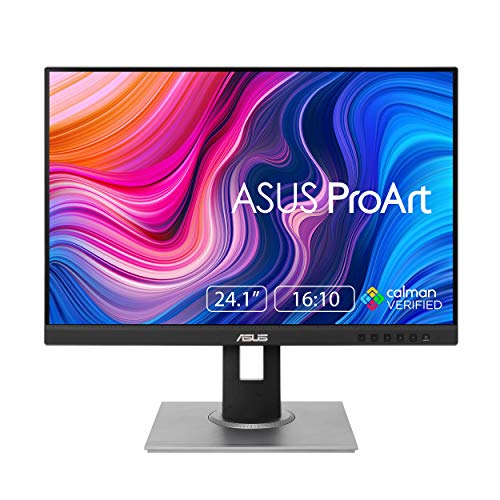
Calman Verified displays arrive pre-calibrated from the manufacturer to meet strict color accuracy metrics, often achieving a Delta E under 2. This calibration helps ensure that hues remain accurate to industry standards right out of the box.
Can you use a creative monitor for entertainment and movie viewing?
Yes, monitors with wide color gamuts and high contrast perform well for casual streaming. If you want deeper black levels for movies alongside editing tasks, exploring monitors tailored for movies and media can help clarify the tradeoffs between IPS clarity and VA contrast.
Why is USB-C connectivity with power delivery helpful on creative monitors?
USB-C allows a single cable to transfer video signals, send data, and charge a compatible laptop simultaneously. Options like the ViewSonic VP2766-2K provide high-wattage power delivery, reducing desk clutter while keeping your editing workstation powered.







Write Your Review
No reviews yet. Be the first to share your experience!