


Yes, a 22-inch display can be a strong choice for gaming, particularly for players who prioritize high refresh rates and competitive responsiveness over maximum screen real estate. The 22-inch monitor size often fits comfortably on smaller desks while maintaining a high pixel density that keeps text and UI elements crisp. For many PC gamers, this size strikes a balance between immersion and practicality, allowing for faster eye tracking in fast-paced titles without the neck strain associated with larger panels.
However, the suitability of this size depends heavily on your specific setup and gaming preferences. If you play single-player, visually intensive games, you might find the field of view limiting compared to larger displays. Conversely, competitive players in first-person shooters often prefer the compact footprint because it allows for quicker peripheral vision adjustments.
The options listed below include models with refresh rates ranging from 120Hz to 144Hz, offering various panel technologies like IPS and VA to match different needs for color accuracy and contrast. If you are also weighing screen layout options, our guide on single versus multiple monitors can help you decide if a single compact display is the right fit for your workflow.

Pros
- Affordable curved monitor with immersive 1800R curvature for the price
- 75Hz refresh rate offers a noticeable upgrade from 60Hz for smoother gameplay
- Multiple connectivity options including HDMI and VGA for older devices
- VESA mountable for flexible desk or wall setups
- Lightweight at 7 pounds, easy to move or mount
Cons
- Only 75Hz, not suitable for competitive esports players who prefer 144Hz or higher
- Built-in speakers are basic and lack bass; external speakers or headphones recommended for immersive audio
- Stand offers limited ergonomic adjustments (tilt only); height and swivel require VESA arm
The Sceptre Curved 24-inch Gaming Monitor (C248W-1920RN) is a budget-friendly entry into the world of curved displays, designed for PC gamers who want a more immersive visual experience without spending a fortune. With its 1800R curvature, the screen gently wraps around your peripheral vision, making it a great fit for casual gaming sessions, open-world exploration, or even just browsing and streaming content. The 1080p resolution keeps things crisp on a 24-inch panel, and the 75Hz refresh rate is a step above standard 60Hz monitors, offering slightly smoother motion in games like Fortnite, Rocket League, or Apex Legends.
This monitor is best suited for casual gamers, college students, work-from-home users, or anyone building a multi-monitor setup on a tight budget. It's not aimed at competitive esports players who demand 144Hz or higher refresh rates for split-second reactions, but for everyday gaming and productivity, it holds its own. The 98% sRGB color coverage ensures decent color accuracy out of the box, which is handy for light photo editing or watching videos.
Build quality is what you'd expect at this price point: a slim metal black frame that feels sturdy enough, though the stand is basic with tilt-only adjustment. The monitor is VESA mount compatible (100x100mm), so you can easily attach it to a monitor arm or wall mount to free up desk space. Connectivity includes two HDMI ports and a VGA input, plus a PC audio out for connecting external speakers or headphones. The built-in speakers are functional for system sounds or casual YouTube, but they lack bass and clarity for immersive gaming or music.
Setup is straightforward: plug in the power, connect via HDMI or VGA, and you're good to go. The on-screen display (OSD) is controlled via buttons on the back and offers basic adjustments for brightness, contrast, and color. There's no USB hub or advanced gaming features like FreeSync, but for the price, that's expected. The 250 cd/m² brightness is adequate for indoor use, though it may struggle in very bright rooms.
One realistic limitation is the lack of height adjustment and swivel on the included stand. You'll need a VESA arm or mount to get the perfect viewing angle. Additionally, the 75Hz refresh rate, while better than 60Hz, won't satisfy players chasing ultra-smooth competitive gameplay. The speakers are also best considered a backup rather than your primary audio solution.
Overall, the Sceptre C248W-1920RN is a practical choice for budget-conscious PC gamers, streamers on a tight setup, or anyone wanting a curved monitor for a dual-screen workstation. It delivers on its promise of an immersive curve at an accessible price, making it a solid value pick for casual gaming and everyday use.

Pros
- High refresh rate (144Hz O/C) and 1ms MBR for smooth, responsive gameplay.
- Vibrant IPS colors with HDR10 and wide sRGB coverage.
- Adaptive sync support works with both NVIDIA and AMD GPUs.
- Useful gaming features like Crosshair, Black Stabilizer, and Dynamic Action Sync.
- Affordable price point for a feature-rich 24-inch gaming monitor.
Cons
- 1ms MBR is motion blur reduction, not true 1ms GtG response time; some motion blur may still be noticeable.
- 24-inch size may feel small for gamers preferring larger immersive displays.
- Tilt-only stand lacks height and swivel adjustments, limiting ergonomic flexibility.
The LG 24G411A-B UltraGear gaming monitor is a 24-inch Full HD (1920x1080) IPS display designed for gamers who want a responsive, color-accurate screen without breaking the bank. It features a native 120Hz refresh rate that can be overclocked to 144Hz, along with 1ms Motion Blur Reduction (MBR) to keep fast-moving action sharp. This monitor is best suited for competitive and casual PC gamers, esports players, and streamers who need a reliable, low-latency display for FPS, MOBA, and racing titles. Its compact size also makes it a great fit for college gamers, work-from-home setups, or anyone with a smaller desk.
In real-world gaming, the 144Hz overclocked refresh rate and 1ms MBR work together to deliver smooth, fluid visuals that reduce motion blur and ghosting. Combined with NVIDIA G-Sync Compatibility and AMD FreeSync, screen tearing and stuttering are virtually eliminated, giving you a competitive edge in fast-paced matches. The Dynamic Action Sync feature further reduces input lag, helping you react quicker in-game. For FPS players, the built-in Crosshair overlay provides a handy accuracy boost without modifying game settings.
The IPS panel offers vibrant HDR10 color with up to 99% sRGB coverage, making games look rich and lifelike. Blacks are decent for an IPS display, and the Black Stabilizer helps brighten dark areas so you can spot enemies hiding in shadows. Color accuracy is solid out of the box, which is a bonus if you also do light photo editing or content creation.
Build quality is typical for LG's UltraGear line - a slim, plastic body with a minimal bezel that looks clean on any desk. The stand is simple and tilt-adjustable but lacks height, swivel, or pivot adjustments, so you may want to invest in a VESA-compatible arm (100x100mm) for better ergonomics. Connectivity includes HDMI and DisplayPort, which cover most modern GPUs and consoles, but there's no USB hub or built-in speakers.
Setup is straightforward: plug in the cables, attach the stand with a few screws, and you're ready to go. The on-screen display (OSD) is intuitive, and the LG Switch app makes it easy to split your screen into multiple sections for multitasking during streams or work. The slim footprint and lightweight design (7.3 pounds) make it easy to move or mount.
While the 24-inch size and tilt-only stand may limit some users, the LG 24G411A-B offers excellent value for budget-conscious gamers who prioritize high refresh rates and adaptive sync. It's a practical choice for competitive play, casual gaming, and even light productivity, making it a versatile addition to any gaming setup.

Pros
- 144Hz refresh rate for smooth gaming performance at a very competitive price.
- Built-in speakers eliminate need for external audio for basic use.
- Minimal bezels make for an immersive multi-monitor experience.
- Blue-Light Shift helps reduce eye fatigue during long sessions.
Cons
- Only 22-inch screen may feel small for immersive single-monitor gaming.
- Built-in speakers typically lack depth and volume for serious gaming audio needs.
- No VESA mount support mentioned, limiting desk mounting options.
The Sceptre E225W-FW144 Series is a 22-inch Full HD gaming monitor built for gamers who prioritize smooth performance on a tight budget. With a 144Hz refresh rate and 1080p resolution, this display offers a noticeable upgrade over standard 60Hz office monitors, especially in fast-paced games like Call of Duty, Valorant, or Apex Legends. The combination of HDMI and DisplayPort inputs makes it easy to connect to most modern gaming PCs or laptops, and the integrated speakers provide basic audio without needing extra gear on your desk.
This monitor is best suited for casual gamers, competitive players looking for a low-cost secondary screen, and college gamers setting up a dorm room battle station. The 22-inch size keeps the desk footprint small, and the nearly bezel-free design means it pairs well in a dual-monitor arrangement for streaming or productivity. Gamers who play mostly esports titles will appreciate the 144Hz responsiveness, which helps reduce motion blur and gives a slight edge in competitive play.
Build quality is typical for this price range a lightweight plastic frame that feels sturdy enough for desk use but not rugged for frequent moves. The Blue-Light Shift feature is a practical addition for those who game or work late, as it filters some harmful blue light and may reduce eye fatigue over time. The stand offers basic tilt adjustment, but you won't find height, swivel, or pivot options, which is expected at this price point.
Setup is straightforward: attach the stand, plug in power and video cable, and the monitor is ready to go. The on-screen display (OSD) menus are simple to navigate for adjusting brightness, contrast, and gaming presets. Cable management is minimal since there are no integrated routing channels, but the compact size keeps wires from getting too messy.
One realistic limitation is the lack of VESA mounting support, so you cannot easily attach this monitor to an arm or wall mount. Also, the built-in speakers are functional but won't satisfy gamers who want rich sound for immersion or crisp audio for competitive footstep detection. Most users will want to pair this monitor with a dedicated gaming headset or external speakers.
Overall, the Sceptre 22-Inch 144Hz Monitor is a solid choice for budget-minded PC gamers, streamers needing a secondary display, or anyone building a cost-effective gaming setup. It delivers the essential performance needed for smooth 1080p gaming without the premium price. If you're focused on high-refresh-rate gameplay and keeping your budget in check, this monitor is worth considering for your desk.
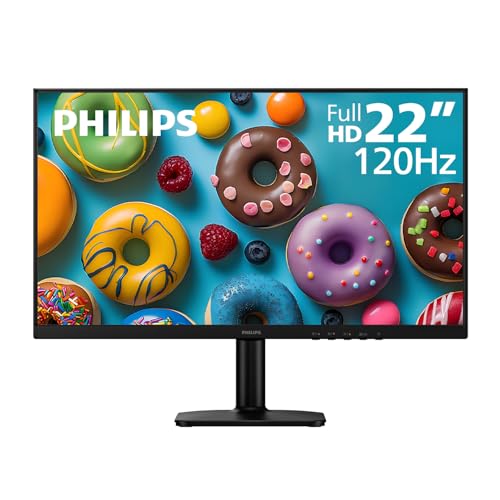


Pros
- Exceptional value for money - delivers 100Hz refresh rate and VA panel quality at a budget price.
- Great contrast and color performance for an entry-level monitor, making games and media look more immersive.
- Eye-care features like LowBlue mode help reduce fatigue during extended use.
- Compact 22-inch size is ideal for smaller desks or dual-monitor setups.
- VESA mountable for flexible placement options.
Cons
- Limited to 100Hz refresh rate - not ideal for competitive esports players who prefer 144Hz or higher.
- No DisplayPort input, only HDMI and VGA, which may limit compatibility with some modern GPUs.
- 22-inch screen size may feel small for users accustomed to larger displays for immersive gaming or productivity.
The ArcticPro 22-inch 100Hz monitor is a budget-friendly display that aims to deliver a smooth and visually pleasing experience for PC gamers and everyday users. With a Full HD 1920x1080 resolution and a VA panel boasting a 3000:1 contrast ratio, this monitor punches above its price point in terms of image quality. The 100Hz refresh rate, while not the highest on the market, provides a noticeable improvement over standard 60Hz monitors, making motion appear smoother in games like fast-paced shooters or racing titles.
This monitor is best suited for casual gamers, college students, and work-from-home users who want a reliable screen without breaking the bank. It's also a great pick for gaming setup builders looking for a secondary display or a budget primary monitor for less demanding titles. The VA panel's deep blacks and 105% sRGB coverage make it a decent option for light photo editing or watching movies, though color-critical professionals may want a wider gamut.
In terms of performance, the 100Hz refresh rate and fast response time help reduce motion blur and ghosting, providing a more responsive feel in games. However, competitive esports players who prioritize the highest refresh rates may find 100Hz limiting. The monitor's LowBlue mode and anti-blue light technology are welcome additions for long sessions, reducing eye strain without washing out colors too much. The 178-degree viewing angles ensure consistent image quality from various positions, which is useful for sharing the screen or multi-monitor setups.
Build quality is solid for the price, with a slim, frameless design that looks modern on any desk. The tilt adjustment (-5 to 15 degrees) allows for basic ergonomic tweaks, but there's no height or swivel adjustment. The VESA 75x75mm mount compatibility is a plus, enabling wall mounting or use with aftermarket arms to free up desk space. Connectivity is basic: one HDMI port and one VGA port, which covers older devices but lacks DisplayPort. There are no built-in speakers, so you'll need external audio solutions.
Setup is straightforward - just plug in the included HDMI cable and power adapter, and you're ready to go. The on-screen display menu is simple to navigate, offering basic adjustments for brightness, contrast, and color presets. Maintenance is minimal; the matte screen resists fingerprints and glare well. The compact 22-inch size and lightweight build (under 7 pounds) make it easy to move or mount.
A realistic limitation is the lack of advanced features like adaptive sync (FreeSync/G-Sync) or a higher refresh rate, which may be a dealbreaker for serious competitive gamers. Additionally, the 22-inch diagonal might feel cramped for users accustomed to 27-inch or larger screens. Overall, the ArcticPro 22-inch 100Hz monitor offers excellent value for budget-focused PC gamers, home office workers, or anyone needing a reliable secondary display. It's a practical choice for dorm rooms, small desks, or as a cost-effective gaming monitor for less demanding titles.

Pros
- 120Hz refresh rate for smooth motion at an attractive price point
- Adaptive Sync support reduces screen tearing without needing G-Sync or FreeSync specifically
- VESA mountable and tilt adjustable for versatile placement in any gaming desk setup
- Low power consumption and eco mode appeal to environmentally conscious users
Cons
- Limited to 60Hz over VGA; 120Hz only available via HDMI, which may restrict older setups
- Small 22-inch size may feel cramped for immersive gaming or productivity compared to larger monitors
- Built-in speakers are basic; external speakers or a gaming headset are recommended for better audio
The AOC 22B35HM23 is a 22-inch Full HD monitor built for budget-conscious PC gamers, casual players, and anyone looking to add a smooth secondary display to their gaming station. With a 120Hz refresh rate and Adaptive Sync support, this monitor aims to deliver tear-free visuals in fast-paced games like Overwatch, Valorant, or Apex Legends, all without demanding a premium price tag. It's also a practical choice for streamers, college students, and work-from-home gamers who need reliable screen real estate for multitasking.
In real-world use, the 120Hz refresh rate is a noticeable upgrade over standard 60Hz panels, providing smoother motion during competitive shooters and racing games. The Adaptive Sync technology helps eliminate screen tearing and stuttering, though it's worth noting that the 100Hz cap via VGA may limit flexibility for older hardware connections. The 4ms response time is decent for casual play, but competitive gamers might prefer faster IPS panels found in more expensive monitors. Color reproduction is solid for the price, with 100.1% sRGB coverage and HDR readiness that adds extra pop to movies and games, though true HDR performance is limited due to the panel's brightness capabilities.
Build quality feels practical and lightweight at just over 11 pounds, with a slim profile that fits well on compact desks or in dorm room setups. The tilt adjustment allows you to find a comfortable viewing angle, and VESA mount compatibility means you can easily attach it to a monitor arm or wall mount for a cleaner, more organized desk space. The inclusion of both VGA and HDMI ports provides basic connectivity, but the lack of DisplayPort or USB-C may disappoint users with modern GPUs or laptops that rely on those standards.
Setup is straightforward: plug in the included cables, attach the stand or mount, and you're ready to go. The on-screen display (OSD) menu is user-friendly, with access to picture presets and low blue light modes, and AOC's i-Menu software allows for fine-tuning from your desktop. Cable management is minimal, but the clean design helps maintain a tidy desk. Maintenance involves occasional dusting and keeping the screen clean with a microfiber cloth, which is standard for any monitor.
Realistically, the AOC 22B35HM23 has a few limitations. The 22-inch size may feel small for immersive gaming or side-by-side window management compared to a 24-inch or 27-inch panel. Built-in speakers are basic, so you'll want a USB headset or external speakers for clear audio during gaming or streaming. The lack of height adjustment and swivel means you'll need a VESA arm for full ergonomic customization. Additionally, achieving the full 120Hz refresh rate requires an HDMI connection, which older systems may not support natively.
Overall, this monitor is a smart buy for casual gamers, college students on a budget, or anyone building a secondary screen for multitasking, streaming, or esports training. It pairs well with a mid-range gaming PC or as a companion monitor for a laptop. If you prioritize a larger screen, faster response times, or better color accuracy for professional work, consider spending more on a 24-inch 144Hz IPS panel. But for the price, the AOC 22B35HM23 delivers dependable 120Hz performance and solid ergonomics in a compact, affordable package.


Pros
- Exceptional 240Hz refresh rate and 0.5ms response time for competitive gaming responsiveness.
- FreeSync Premium and VRR support ensure tear-free gameplay on both PC and console.
- Fast IPS panel with 99% sRGB delivers vibrant colors and wide viewing angles.
- TUV 3-star eye comfort certification helps reduce eye fatigue during extended use.
- Affordable price point for a high-refresh-rate IPS gaming monitor.
Cons
- Limited ergonomics with only tilt adjustment; no height or swivel options.
- Built-in speakers are basic; external speakers or a headset are recommended for immersive audio.
- Stand could feel a bit wobbly on less stable desks; VESA mount compatibility is a plus for those who prefer a more secure setup.
The Dell SE2426HG is a 23.8-inch FHD gaming monitor designed for PC gamers who prioritize smooth, responsive gameplay. With a 240Hz refresh rate and 0.5ms response time, this monitor is built to keep up with fast-paced esports titles like Valorant, Overwatch 2, and Apex Legends. The IPS panel technology ensures excellent color accuracy and wide viewing angles, making it a versatile choice for both competitive and casual gaming.
This monitor is best suited for competitive gamers and esports players who need every millisecond of advantage. The high refresh rate and low response time significantly reduce motion blur and input lag, allowing for more precise aiming and faster reactions. Casual gamers will also appreciate the fluid visuals and tear-free experience provided by AMD FreeSync Premium and HDMI VRR support. Streamers and content creators may find the 99% sRGB coverage useful for basic color-critical work, though the FHD resolution is more gaming-focused than professional-grade.
In real-world use, the SE2426HG delivers a buttery-smooth experience. The 240Hz panel makes scrolling and fast-paced action feel incredibly fluid, while the 0.5ms response time minimizes ghosting. The FreeSync Premium compatibility ensures that screen tearing is a thing of the past, whether you're playing on a PC or a console. The TUV 3-star certified low blue light mode is a nice touch for long gaming sessions, reducing eye strain without washing out colors too much.
Build quality is solid for a monitor in this price range. The stand offers tilt adjustment, but you won't get height, swivel, or pivot options. However, the VESA mount compatibility (100x100mm) makes it easy to attach to an arm or wall mount for better ergonomics. The connectivity options include two HDMI ports and a DisplayPort 1.4, which is plenty for most setups. Cable management is basic but functional, with a small cutout in the stand to route cables neatly.
Setup is straightforward: unbox, attach the stand (no tools required), plug in your cables, and you're good to go. The on-screen display (OSD) is easy to navigate with a joystick control, allowing quick adjustments to brightness, contrast, and gaming presets. One limitation is the lack of built-in speakers that deliver decent audio; most users will want to use a gaming headset or external speakers for immersive sound. Also, the stand can feel a bit wobbly on less sturdy desks, so a VESA mount might be a worthwhile upgrade.
Overall, the Dell SE2426HG is a fantastic value for gamers seeking high-refresh-rate performance without spending a fortune. Its combination of 240Hz, 0.5ms response, IPS colors, and FreeSync Premium makes it a strong contender for competitive gaming setups. If you're looking for a monitor that can keep up with fast-paced action and provide a comfortable viewing experience for long sessions, this Dell model is a smart buy.

Pros
- Excellent value for money with 120Hz at a sub-$75 price point
- VA panel offers better contrast than typical TN or IPS monitors in this range
- Compact 22-inch size fits well in smaller desks or as a secondary display
- Easy to set up and mount thanks to included VESA support and simple tilt adjustment
- Eye-care features like LowBlue mode help reduce fatigue during extended use
Cons
- Only HDMI and VGA inputs - no DisplayPort, limiting compatibility with some modern GPUs
- 22-inch screen size may feel small for immersive single-monitor gaming setups
- No built-in speakers or USB hub, requiring external audio and additional connections
The ArcticPro 22-inch 120Hz monitor is a budget-friendly display that brings a smooth gaming experience to PC gamers, casual players, and those building an efficient dual-monitor setup. With a Full HD 1920x1080p resolution and a 120Hz refresh rate, this monitor aims to deliver fluid motion without breaking the bank. It's best suited for gamers who prioritize responsiveness in fast-paced titles like shooters (Valorant, Overwatch) or racing games, as well as for streamers or content creators needing a secondary screen for chat, OBS, or Discord.
In terms of performance, the 120Hz refresh rate offers a noticeable upgrade from standard 60Hz panels - smoother scrolling, less motion blur, and a more responsive feel in competitive gaming. The VA panel provides a 4000:1 contrast ratio, which means deeper blacks and more vibrant colors compared to typical TN monitors at this price point. While not as fast as a high-end IPS, the response time is adequate for casual and even moderately competitive play. The 99% sRGB coverage also makes this monitor capable for light photo editing or enjoying colorful game worlds.
Build quality is solid for a budget display: the ultra-slim design and 3-sided frameless bezel give it a modern, minimalist look on any desk. The tilt adjustment (-5 to 15 degrees) helps find a comfortable viewing angle, and the VESA 75x75mm mount pattern allows for easy wall or arm mounting to free up desk space. The monitor also features ArcticPro's Low Blue Mode and anti-blue light technology, which can reduce eye strain during long gaming sessions - a welcome addition for those who grind through extended play.
Setup is straightforward with HDMI and VGA inputs, though the lack of DisplayPort may be a limitation for some modern graphics cards. Both ports are included, and the monitor works out of the box with most PCs, laptops, and consoles. Cable management is simple thanks to the monitor's slim profile, but users should plan for external speakers or headphones as there are no built-in speakers. The monitor does not include a camera function, which is expected at this price.
A realistic limitation is the 22-inch screen size - while excellent for a secondary display or tight desk spaces, it may feel small as a primary gaming monitor, especially for those used to 24-27 inch panels. Additionally, the absence of height adjustment and rotation means you'll need a VESA arm for ergonomic fine-tuning. However, for the price, these compromises are understandable.
Overall, the ArcticPro 22-inch 120Hz monitor is a practical choice for budget-conscious PC gamers, college gamers setting up a dorm room station, or anyone needing an affordable second monitor for streaming, productivity, or gaming. It delivers a smooth 120Hz experience with good color and contrast, while the VESA compatibility and slim design make it a flexible addition to any gaming desk setup. If you're looking for a no-frills, high-value monitor for casual or entry-level competitive gaming, this is a strong contender.
Is a 22-Inch Monitor Good for Gaming?
A monitor of this size is generally well-suited for gaming, especially for competitive play and setups with limited desk space. The primary advantage is the high pixel density at 1080p resolution, which results in sharper text and clearer in-game details. This clarity is often preferred by players who spend long hours in-game or use the monitor for both work and play. The compact size also reduces the distance between your eyes and the screen, which can be beneficial for tracking fast-moving targets in shooters.
| Feature | Typical 22-inch Spec | Impact on Gaming |
|---|---|---|
| Resolution | 1920 x 1080 | Sharp text, standard for competitive play |
| Refresh Rate | 120Hz – 144Hz | Smooth motion, reduced blur |
| Response Time | 1ms – 4ms | Less ghosting in fast scenes |
| Pixel Density | ~102 PPI | Crisp visuals, minimal pixelation |
Before purchasing, you should verify that your graphics card and connection ports support the desired refresh rate. Not all monitors at this size offer the same performance capabilities, and some may prioritize office features over gaming-specific technologies. It is essential to match the monitor’s specifications with your hardware to avoid paying for features you cannot utilize. The following checklist helps you evaluate the key factors before making a decision.
- Check if your GPU supports the monitor’s maximum refresh rate.
- Verify that your available cables (HDMI or DisplayPort) match the monitor’s inputs.
- Measure your desk depth to ensure the stand fits without blocking your view.
- Decide if you need adaptive sync technology like FreeSync or G-Sync.
- Consider if you want built-in speakers or plan to use external audio.
Refresh Rate and Motion Clarity
The refresh rate is one of the most critical factors for gaming performance on a display of this dimension. Models in this category often feature refresh rates between 120Hz and 144Hz, which provide a noticeable improvement over standard 60Hz panels. This higher rate reduces motion blur and makes fast-paced action feel smoother and more responsive. For competitive gamers, this fluidity can help in tracking enemies and reacting to sudden changes in the game environment.
Response time is another specification that affects motion clarity. A lower response time, often listed as 1ms or 4ms, means the pixels change color faster, reducing ghosting trails behind moving objects. While the difference between 1ms and 4ms may be subtle to the casual eye, it can be significant in high-speed scenes. Many gaming monitors of this size use IPS panels, which offer a good balance between speed and color accuracy. Some models also include overdrive settings that allow you to adjust the response time to minimize artifacts.
Resolution and Pixel Density
Most monitors of this size use a 1080p resolution, which is the standard for this dimension. This resolution provides a pixel density of approximately 102 pixels per inch, resulting in a crisp and clear image. For gaming, this level of detail is sufficient for most titles, especially those designed with competitive play in mind. The sharpness of the text and UI elements is a significant benefit for players who also use their monitor for productivity tasks like coding or document editing.
If you are used to higher resolutions on larger screens, the jump to 1080p on a display of this size might feel less immersive. However, for many players, the trade-off is worth it for the increased frame rates that 1080p allows. Running games at 1080p is less demanding on the graphics card, which can result in higher frame counts and lower input lag. This is particularly important for competitive gamers who prioritize smooth performance over maximum visual fidelity.
Panel Technology and Viewing Angles
The type of panel used in a monitor of this size significantly affects the visual experience. IPS (In-Plane Switching) panels are common in this dimension and are known for their wide viewing angles and accurate colors. This makes them a good choice for players who want a versatile display for both gaming and media consumption. VA (Vertical Alignment) panels, on the other hand, offer higher contrast ratios, which can result in deeper blacks and more vibrant colors in dark scenes.
For gaming, IPS panels are often preferred due to their faster response times and consistent color reproduction. However, VA panels can be a good option if you play a lot of single-player games with dark environments. The choice between these two technologies depends on your personal preferences and the types of games you play. It is worth noting that both panel types have their own strengths and weaknesses, so there is no single “best” choice for everyone.
Connectivity and Hardware Compatibility
Before buying a gaming monitor of this size, you must ensure that your PC or console can support its features. Many modern monitors offer multiple input options, including HDMI and DisplayPort. DisplayPort is generally preferred for PC gaming as it supports higher refresh rates and adaptive sync technologies. If you are using a console, check which version of HDMI is required to achieve the highest available frame rate.
Adaptive sync technologies like AMD FreeSync and NVIDIA G-Sync help eliminate screen tearing by synchronizing the monitor’s refresh rate with the GPU’s frame rate. This results in a smoother and more enjoyable gaming experience. Not all monitors support these technologies, so it is important to check the specifications before purchasing. If your GPU does not support a specific adaptive sync standard, you may still be able to use a compatible monitor, but the benefits might be limited.
- DisplayPort 1.2 or higher is recommended for 144Hz gaming.
- HDMI 2.0 is often sufficient for 120Hz and 144Hz on many setups.
- Check if your GPU has the necessary output ports for the monitor.
- Verify that your operating system supports the monitor’s refresh rate settings.
- Consider using a high-quality cable to ensure a stable signal connection.
Desk Space and Ergonomics
One of the main advantages of a monitor of this size is its compact footprint. It fits easily on most desks, leaving room for a keyboard, mouse, and other peripherals. This is particularly beneficial for players with limited workspace or those who want to set up a dual-monitor configuration. The smaller footprint also allows for a more ergonomic setup, as you can position the monitor at a comfortable distance from your eyes.
However, it is important to ensure that the monitor’s stand allows for adequate adjustment. Look for models with tilt, height, and swivel capabilities to help you find the perfect viewing position. A comfortable setup can reduce eye strain and neck fatigue during long gaming sessions. If you plan to use the monitor for both gaming and work, ergonomics become even more important. A well-positioned monitor can help you maintain focus and productivity throughout the day.
When a Larger Screen Might Be Better
While a monitor of this size is excellent for many gaming scenarios, it may not be the best choice for everyone. If you play a lot of single-player, story-driven games, you might prefer the immersion offered by a larger display. A 24-inch or 27-inch monitor can provide a wider field of view, which can enhance the experience in open-world games. However, larger screens often require more desk space and may have lower pixel densities at 1080p resolution.
For competitive gamers, the smaller size of a monitor of this dimension is often a feature, not a bug. It allows for faster eye tracking and reduces the need to move your head to see the edges of the screen. This can be a significant advantage in fast-paced titles where reaction time is critical. Ultimately, the best monitor size depends on your personal preferences, gaming style, and available desk space. If you are unsure, consider visiting a store to see how a display of this size feels in person.
Choosing the right monitor involves balancing performance, size, and budget. A gaming monitor of this size offers a compelling package for players who value smooth motion and a compact setup. By checking the specifications and ensuring compatibility with your hardware, you can find a display that meets your needs. If you are looking for more options, our gaming monitor guide covers a wider range of sizes and features to help you make an informed decision.







Write Your Review
No reviews yet. Be the first to share your experience!